Berlin 2011 Reviews: A DREAM OF IRON, Joe Swanberg’s ART HISTORY & SILVER BULLETS
 Here is a little round-up of a few films from a smaller strand. Forgive the relative brevity, but I don't want to fall behind and have this stuff still to right about tomorrow: This maybe the Berlin Film Festival's 61st year, but it is also the 41st year of the event's interesting and diverse strand of smaller features known as the "forum" - or the "international forum of new cinema" to those less keen on brevity. And it is indeed an interesting and eclectic mix on show this year, ranging from Richard Ayoade's Toronto smash Submarine (which is brilliant by the way) to small documentaries like the Korean Cheonggyecheon Medley:A Dream of Iron directed by Kelvin Kyung Kun Park.
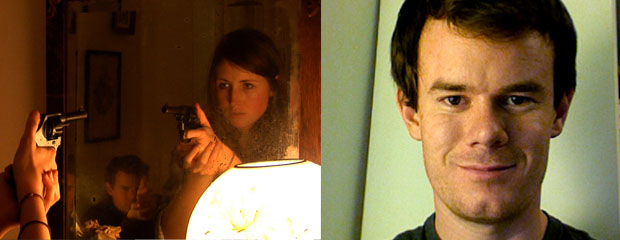
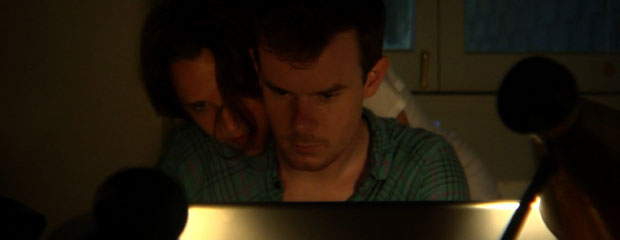
 A Dream of Iron is a lo-fi (in other words very cheap looking) elegy for a passing way of life: that of steel workers in the centre of Seoul, who were historically so vital in the country's rapid economic growth in the latter part of the twentieth century but are now in danger of extinction in an advanced modern city. The narration was a tad too florid for my liking and the imagery often comes across as tacky - with its director using a lot of 1980s pop video-style visual effects - but it makes some interesting insights into the power and social significance of metal and the men who manipulate it. It is often a little too wacky for its own good though and the programme's insistence that "Park has created a documentary milestone" is faintly laughable. Much better, and certainly the best films I've seen at the festival so far aside from True Grit (which I refuse to count seeing as it's out everywhere in the world right now pretty much), are a couple of short feature films from mumblecore director Joe Swanberg. Each running at just over 70 minutes, the prolific Swanberg's Silver Bullets and Art History took me completely by surprise and were both really compelling. (Though, as an aside, the majority of the audience didn't seem to agree with me as a packed theatre was almost empty by the end of the double bill).