8 Movies That Didn't Know Who The Bad Guy Was
If they didn't know, how were we supposed too?
Thanks to a lifetime of conditioning, Hollywood filmmakers have figured out how to make us root for their prescribed protagonists. It's simply really, just make them funny, cute, whimsical, or any combination of the three. Then it won't matter how morally and legally questionable their decisions are throughout the movie because, look at that how adorable their laugh is!
Unfortunately, we've become so used to rooting for the character with the most screen time that we don't often stop to consider the situation from any of the other character's standpoints. (Well, not unless we're told to by the director.) But as it turns out, not all good guys are so great. Some of them are actually pretty terrible at being rational human beings.
For every obvious hero, there's another principal player whose motives might sound legit, but are completely backwards in the bigger picture. And now it's our duty as vigilant viewers of modern cinema to take a step back and re-evaluate just why we're rooting for the funny, cute, whimsical characters presented to us to figure out if they're really the good guys, or if that's just the simplest way for the filmmakers to tell the story.
8. John Wick

This one isn't quite as bad as the others on this list, but it still needs to be mentioned. Because of the movie's inciting incidents (which I'll do my best not to spoil for those of you weirdos who have yet to see it), we're supposed to treat Keanu Reeves like a kicked puppy (sorry) and root for him the whole way. And while that's not a terrible thing, it's a little odd considering that Wick is a former mafia assassin who has done (and continues to do) terrible things to many, many people.
Even after the audience is told explicitly about Wick's past with the Russian crime syndicate and after we watch him maul down legions of dudes (even some that aren't directly involved with his enemies) we're still supposed to view him as something more than an anti-hero. That's more than a little messed up.

Admittedly, a lot of this comes down to that damn Beagle from the beginning (seriously, just watch it so I can stop tiptoeing around this subject), but is that really enough for us to consider Wick "the good guy?" It makes sense to root for John Wick, but not in the way the filmmakers want us to.
7. Ghostbusters
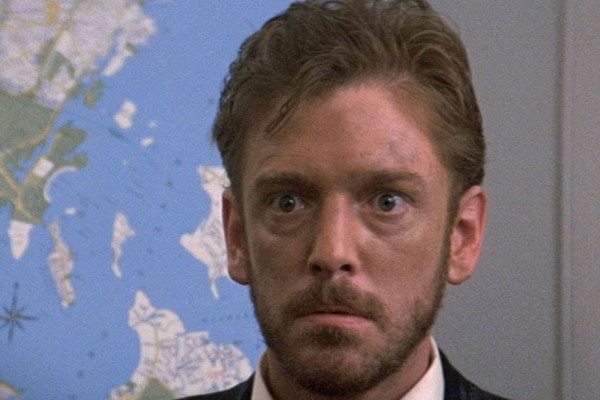
Let's role-play for a second. Assume that you're a lawyer charged with the task of representing the EPA. All of a sudden there are claims of a rogue group of parapsychologists capturing ghosts and storing them in an unlicensed hazardous containment center. Do you think, possibly, you might react even just a little like Walter Peck does in the movie?
First of all, you'd have to even try to believe that ghosts are attacking the city and being hauled away by a bunch of weirdos in jumpsuits. Doesn't that seem a bit, I dunno, suspicious as all hell? Wouldn't it be more likely that a bunch of recently fired PARAPSYCHOLOGISTS are trying to scam the good citizens of New York out of their rent checks by faking this whole set-up?
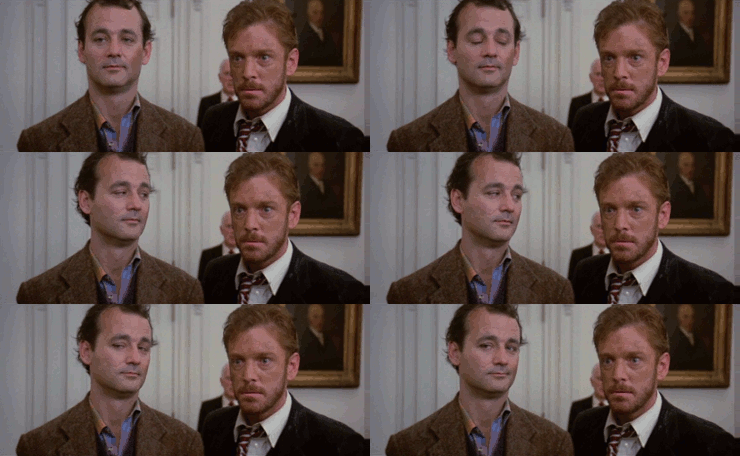
Secondly, hey, maybe those aren't actual ghosts in their containment center, but whatever the hell is in there doesn't seem very above board. Also, these supposed busters of ghosts are refusing to allow you access to the containment center, even though that's part and parcel to your job. Oh, and their ringleader insults you all the while obstructing the contents.
So then...might you obtain a warrant to investigate exactly what's going on here? After all, these men are clearly acting outside of the law, don't have permits for what they're doing, and won't cooperate with what appears to be a pretty routine checkup.
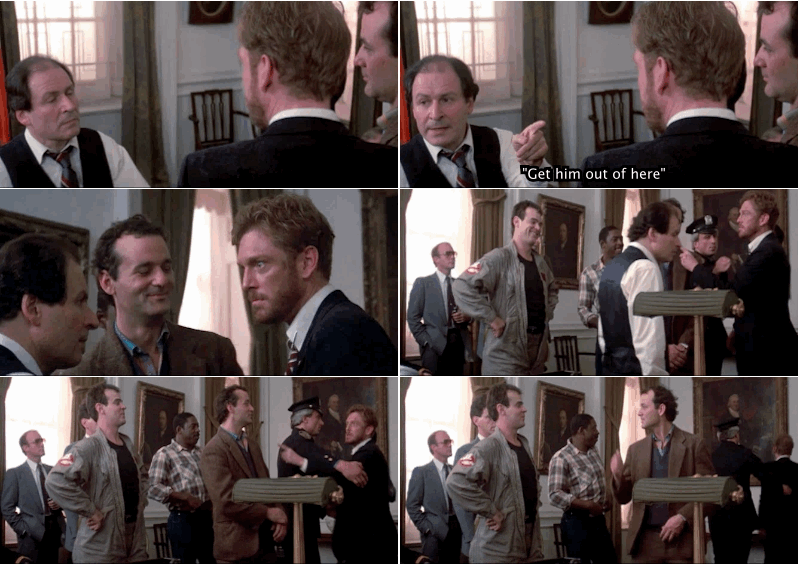
I'm not saying Peck does everything correctly, and his rash decision to have them completely shut the whole system down was stupid, especially considering that inspector he had with him seemed a little iffy about the whole situation. But give the guy a break. He's just trying to enforce the law!
6. Burn After Reading
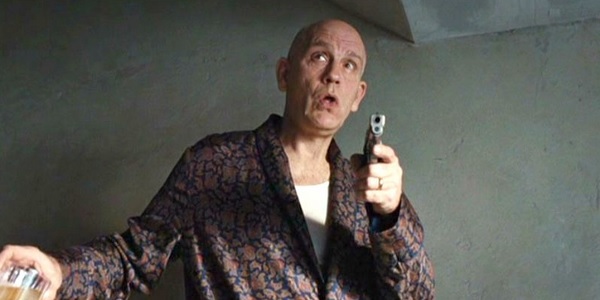
It's rare that we root for an alcoholic at the movies (unless it's encouragement to get sober), and that might explain why audiences had such trouble getting behind John Malkovich's character in the Coen Brothers' absurdly excellent Burn After Reading. Or it could be the overwhelming amount of stupidity covering up the heart of the story.
Anyway, a brief description: Malkovich's character, Osbourne Cox, is a former CIA analyst (and current friend of alcohol) who loses a disc containing a portion of his memoirs which, in turn, contains what some might consider to be important information about his prior work experience. This sets into motion a chain of blackmailing and various smoking guns, all culminating in the misery of Mr. Osbourne Cox.
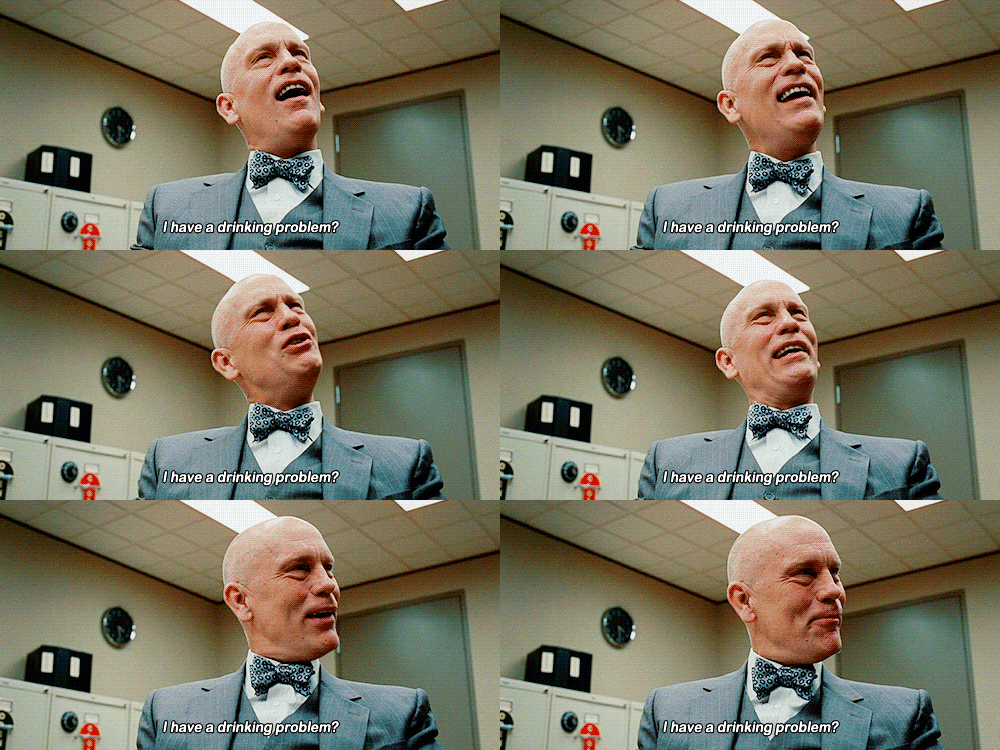
While Brad Pitt, George Clooney, Frances McDormand, and Richard Jenkins (who all want something different out of this missing disc situation) are all portrayed as bumbling idiots with varying degrees of fecklessness, the guy at the center of it all is an innocent dude portrayed as a nasty villain.
Which couldn't be further from the truth. How would you react if a bunch of random people tried, literally out of nowhere, to blackmail you. They're calling you up late at night making threats, intruding in your home, and generally trying to make your life a living hell. And that information they have on you? It's not anything. Like, literally nothing that anybody wants. It's just a shoddy memoir.
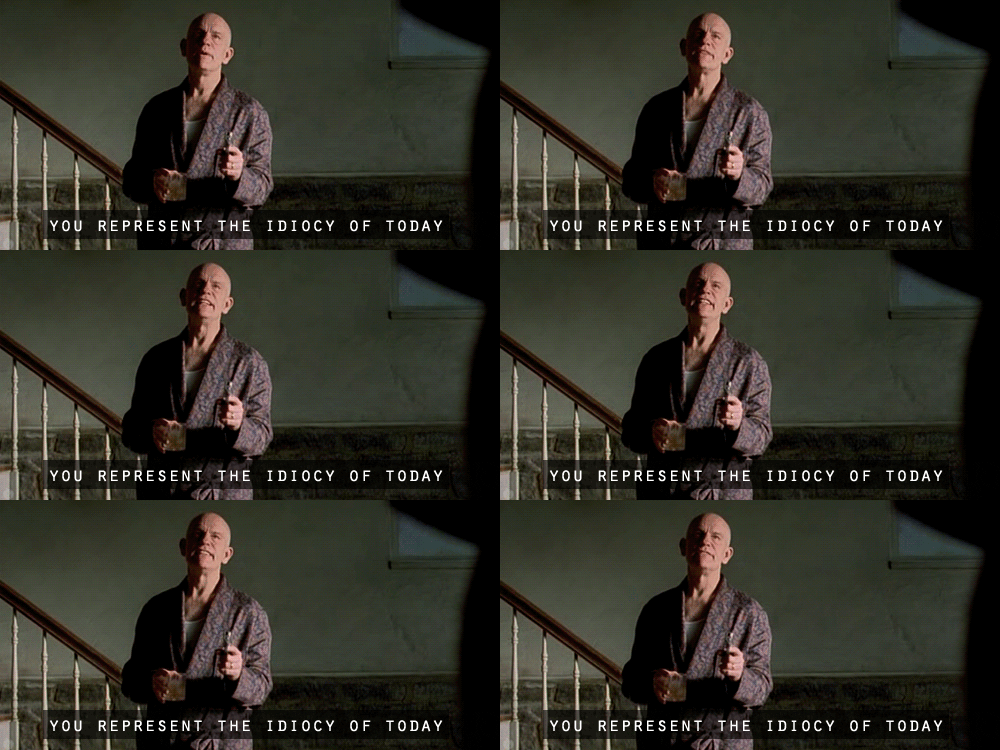
And this leaking of non-information leads to your constant paranoia, a divorce from your wife, and ultimately, a friggin' coma. But...John Malkovich plays the bad guy. Apparently.
5. Ferris Bueller's Day Off
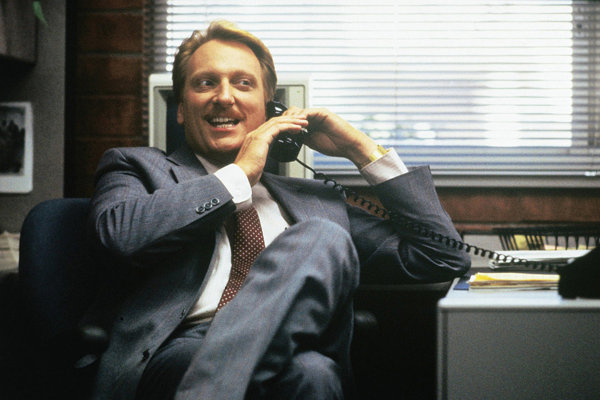
Ferris Bueller's Day Off tries to answer one simple question: What's the ultimate fantasy for a teenager who wants to cut class? The answer involves a lot of blatant dickishness, as it turns out, with the titular "hero" acting like a world-class jerk to everyone he encounters. Not only does he bully his best friend into doing all of the things he doesn't want to do, but he also makes it his mission to torment his principal, the one guy who actually seems to care what happens to a student who makes a habit out of "sick days."
And during this whole exhibition, we're supposed to be rooting for Ferris. Because Ferris is who everyone wants to be in high school: a douchebag. Yet, aside from being a little too persistent in his task of catching his pupil in the act (that whole breaking and entering thing really hurt his status as a "good guy"), what's the big problem with Principal Rooney? That he's a little rough on his students? That he doesn't want to take any sh*t from people that are half his age? THAT'S A PRINCIPAL'S JOB!

It makes sense that a teenaged audience wants to root for the ultimate cool guy, Ferris. What's concerning is how many full-grown adults (some of them with children of their own) still watch this movie and can't see the goodness in Rooney's goal.
4. Happy Gilmore
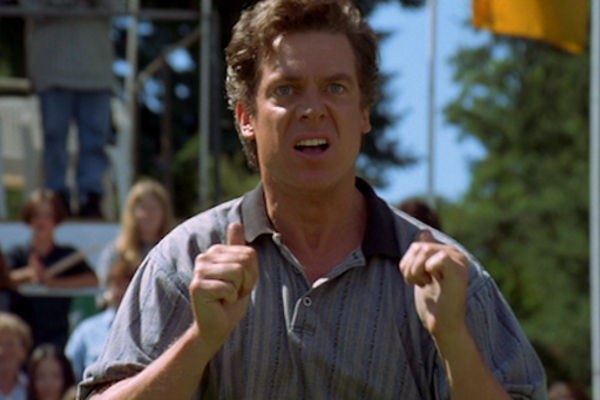
The fact that I'm criticizing the moralistic context of an early career Adam Sandler movie might seem like a waste of words, but bear with me, because I'm going headlong into this thing. Sandler has made his career portraying the schlubby everyman, albeit an infantile everyman with a penchant for violent outbursts. And his role in Happy Gilmore is no different.
Here, he seeks to win some easy money by winning a spot onto this movie's version of the PGA tour. He does so with the grace and class you'd expect from a man-child who repeatedly fails to make the hockey team because he's too wild and violent for the sport. While running rampant through the tour, he encounters his supposed nemesis, Shooter McGavin.
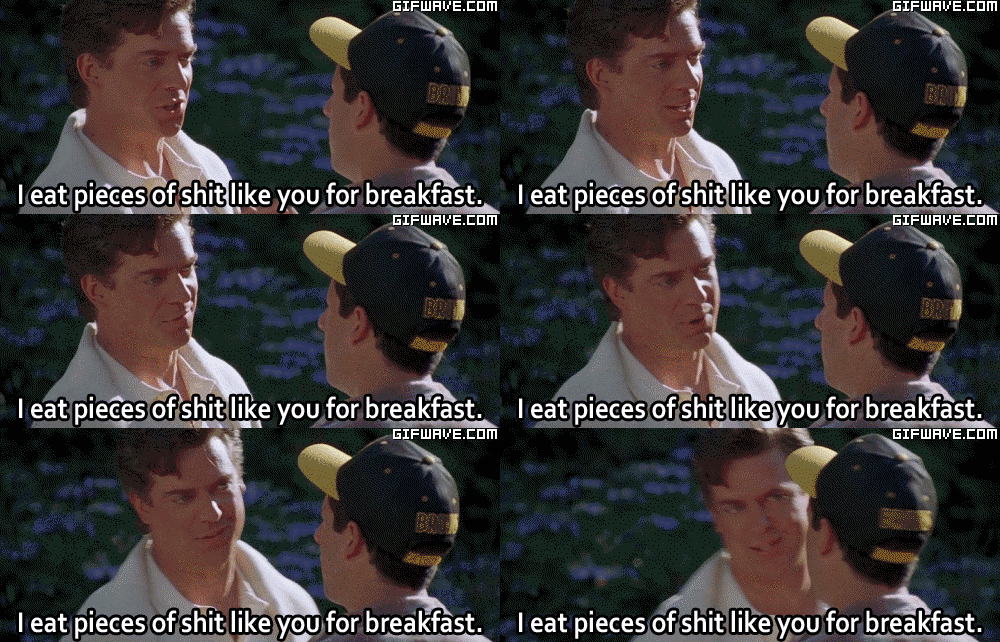
Shooter is an arrogant, condescending golf veteran who feels slightly threatened by Happy, especially his popularity amongst the white trashiest demographic that he's begun attracting to the sport. Shooter fears that Happy's outlaw style will ultimately ruin the sport (not to mention his chances at securing the gold jacket he's failed to win thus far).
Because Happy Gllmore is such a jovial and free-spirited character who loves his grandmother, we're initially more drawn to him than to the stereotypically uptight, traditional Shooter. But Happy is also grating, petulant, sadistic (the guy punches Bob Barker, for Christ's sake!), and has literally zero respect for the sport he's now engaging in.

Shooter, by contrast, is just a little jerky and self-centered. He just wants Happy out of his sport. That guy, to me, seems a more likely protagonist.
3. Liar Liar
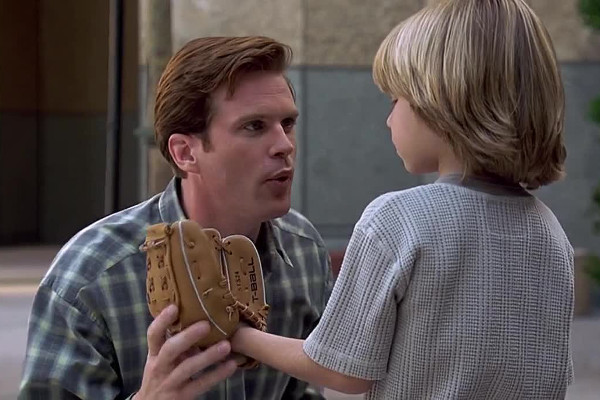
Jim Carrey is not the good guy in Liar Liar. Sorry, not even by the film's end, once his character has learned his lesson and promises (cross his heart and hope to die) not to lie to the people he loves anymore, does Jim Carrey's Fletcher become the good guy. He becomes an okay guy, sure, but there's another dude in this movie who should have gotten the girl and been the one helping to take care of the kid. Cary Elwes. You know, Jerry, the potential "evil stepdad" who the protagonist feels threatened by because he wants to take his ex-wife and neglected child away to Boston where he's secured a job that will allow the three of them to live a very comfortable lifestyle? That Jerry?
Let's face it, Fletcher is a total wang in this movie, even when he's under the magical spell that won't let him lie. He spends two-thirds of the movie looking for a loophole in this whole "not lying" thing, despite the fact that it's clearly something his kid desires. And Fletcher would know that if he paid any attention to the little squirt whatsoever.
In fact, he only learns his lesson once his son completely spells it out for him. Do you want a guy so incapable of picking up on the most eye-roll worthy of hints to be the legal guardian of a young boy? And Jerry has already proved he wants to spend way more time with his soon-to-be stepson than Fletcher ever has. Sure, he's not as good at imitating "The Claw," but that's only because it was Fletcher's invention. You've gotta let the guy come up with an original creation!
But seriously, why is everyone supposed to hate him so much? Because he's in love with Jim Carrey's ex-wife? Or is it really that whole "The Claw" thing? It's bad but...surely it can't be that bad.
2. Beetlejuice
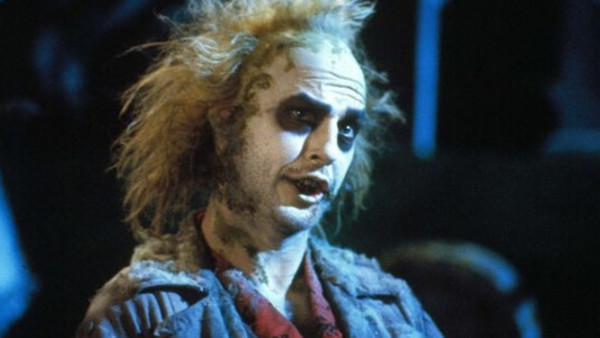
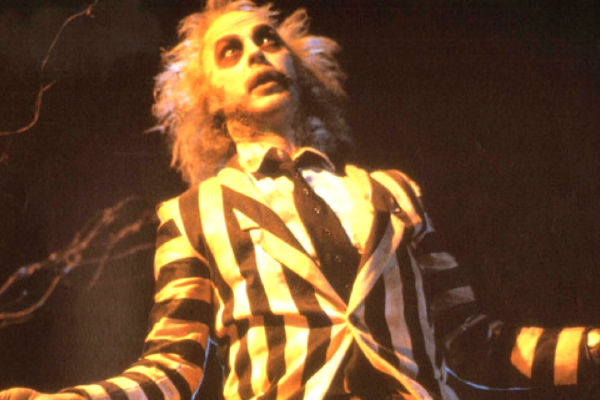
Chalk this one up to an oversight by audiences that love to romanticize the afterlife. Beetlejuice is pegged as the clearcut villain in this movie, despite his goofball antics. He's essentially the demon spirit from The Exorcist, only much more persistent and a smidgeon wackier. But in our haste to crucify the green-haired, pimp-suited monster, we've overlooked the real villains: Alec Baldwin and Geena Davis, aka Adam and Barbara Maitland. After all, they're the petty ghosts responsible for releasing all that evil.
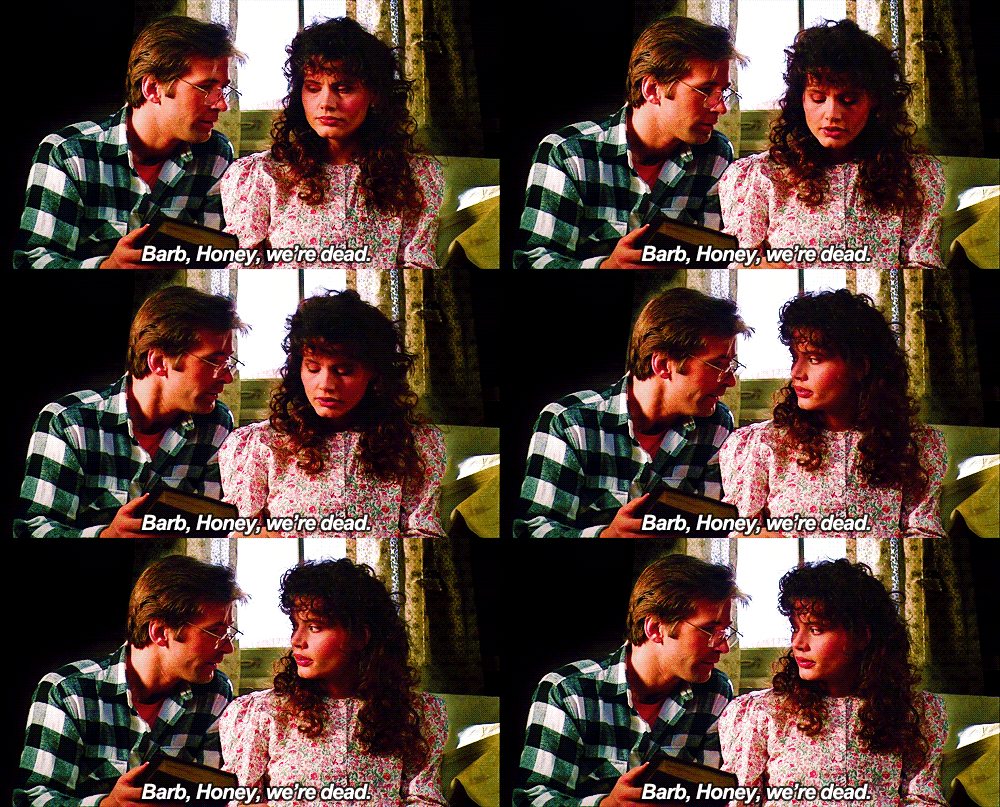
Though we may not know where we go when we die, we can be sure of one thing: Once you're dead, property laws still remain. Ghosts, no matter how good-natured and sweet, are no longer the owners of their house. It's sad but true. So when this new family, The Deetzes, decides to move in and start renovating the admittedly old-fashioned home, that's their right. Because they're living people. With bank accounts...and flesh. They spend much valuable energy trying to run this new, goth-loving family out of the house because they've been told of some supernatural law requiring them to remain in the residence for 125 years.
Rather than bear the thought of someone redecorating what used to be their home, they decide instead to awaken a nearly unstoppable monster to do their dirty work, even though they've been warned against it by veteran ghosts who clearly know a little more about that whole "being dead" thing.
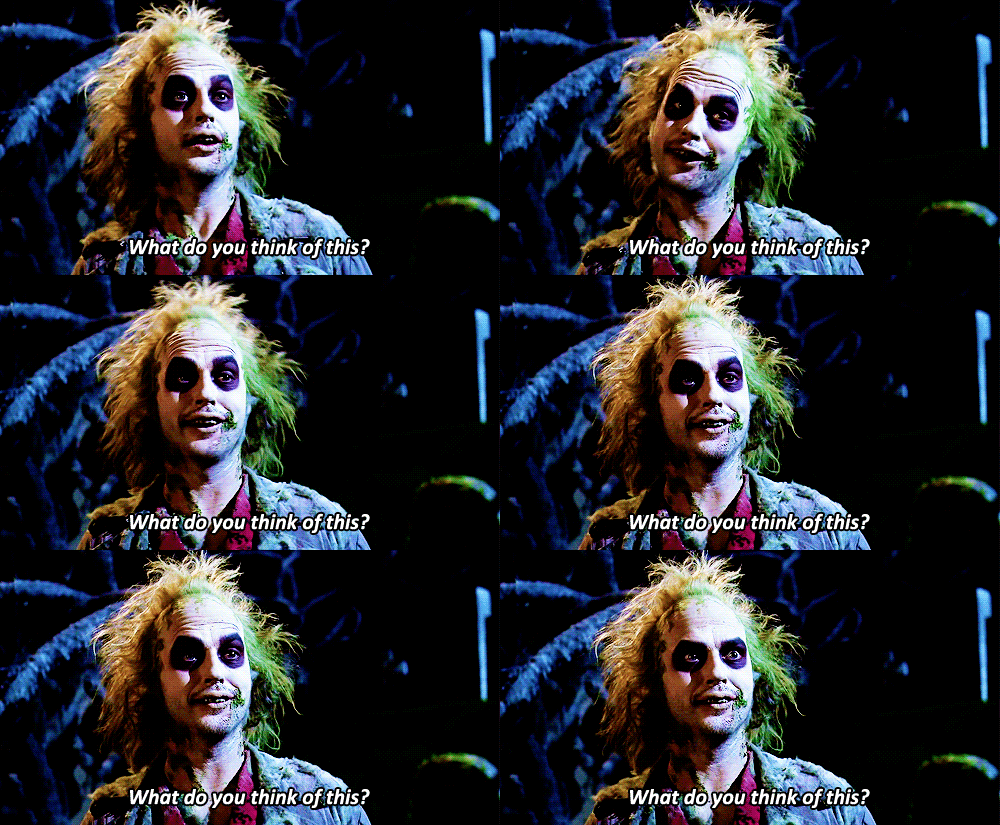
That monster then proceeds to create pants-sh*ttingly terrifying melee on their behalf, nearly killing three innocent people in the process. Sure, after things get a little more vicious than they anticipated (because they're idiots), they make it their mission to stop Beetlejuice. But that's like a Bond villain trying to stop his laser death ray after he's pushed the big red button. Too little, too late.
1. Short Circuit
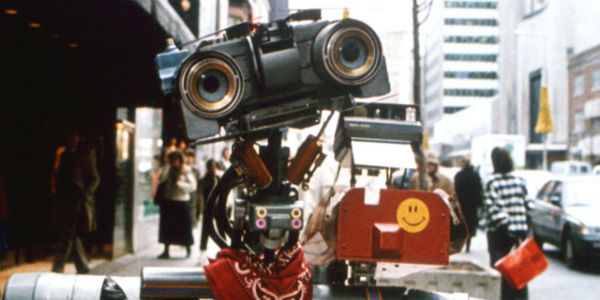
In this tale of a sentient robot on the run from his creators, Johnny 5 represents a ray of hope for humanity. Oh, wait, let me phrase that another way: In this tale of a sentient robot on the run from his creators, Skynet's T-800 represents a ray of hope for humanity. See how that subtle little change might change your opinion on the whole rogue A.I. situation?
Although the majority of the movie finds the audience pitted directly against Captain Skroeder, the stern security chief in charge of finding and shutting down Johnny 5. Why? Because Johnny 5 is funny. Kind of. And he's the epitome of innocence, and his quest for "input" finds him soaking up knowledge about anything and everything while developing human bonds and, particularly disconcerting, real emotions.
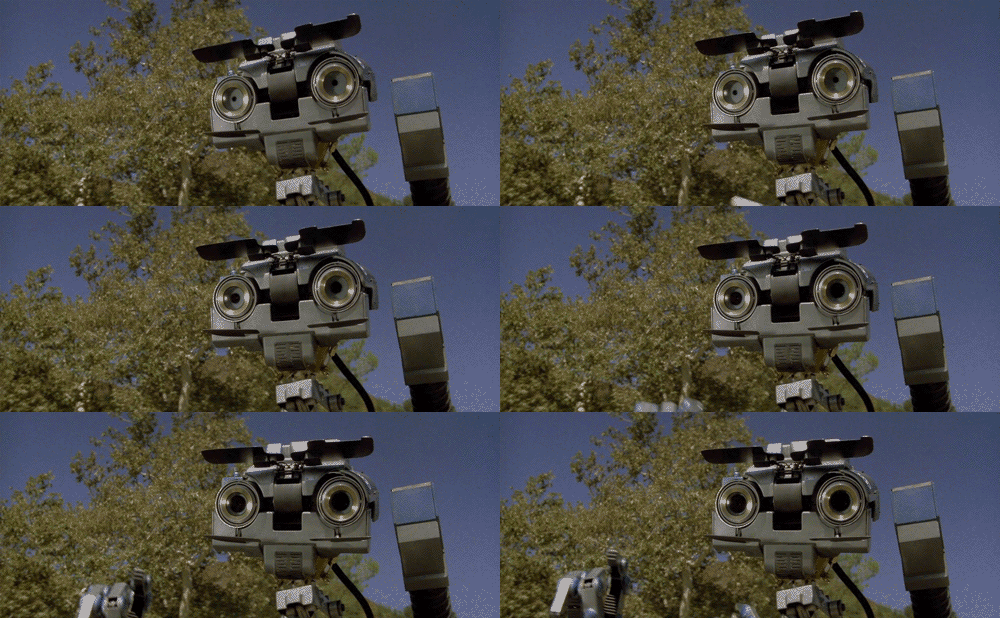
What's to stop Johnny 5 from learning something very, very bad--say, the "positives" of genocide--and then using that as a basis for interacting with the world? It's certainly not Ally Sheedy's character, who acts as little more than a super awkward love interest for the robot (yeah...seriously). The most she ever teaches him is that "dead things stay dead." So now he knows the most permanent way to stop the government agency from "disassembling" him is to use that built-in laser canon of his. That's...reassuring.
Skroeder was ultimately doing the right thing. He just wasn't very flowery and jovial, which is what you should expect from a government agent.