8 Lazy Movies That Were Just Copying Better Films
Why be original when you can just jump on a bandwagon?
Making movies is hard. There's so many things to be dealing with, ranging from making sure catering are going to be able to provide a varied diet for the crew and that you have actors who can give the work the depth it requires, and something could easily go wrong.
Of course, it's very easy to take the easy route - make a product placement deal with Dominos that sees pizzas delivered to the set every day and hire Nicolas Cage. The one place you'd imagine films wouldn't skimp is in the creative department. The purpose of the whole enterprise is, after all, to make something entertaining for the audience.
Except too often an overt focus on money takes over and a film simply steals entire swathes of plot from a much better movie. Here are eight such examples of films that delivered something we'd already seen before. These aren't the famous areas of controversy, like The Hunger Games and Battle Royale or The Lion King and Kimba The White Lion, but blatant examples of shameless copying.
Honourable Mention - The Entire Mockbuster Genre
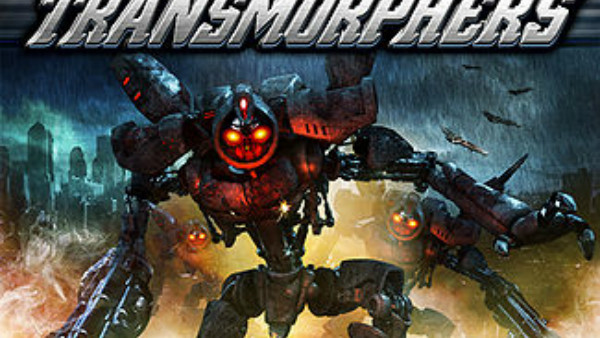
If you're talking about films riding the successes of others there needs to be a shout-out to the Asylum and their run of 'mockbusters', cheap direct-to-DVD knock-offs of currently-in-cinemas films intended to trick people into shelling out thinking it's the real thing. Transmorphers, Jack The Giant Killer, Sir Arthur Conan Doyle's Sherlock Holmes, Android Cop and Atlantic Rim are a choice few that have blighted DVD shelves. Not boasting the same awareness as the studio's more shlocky outings (they're the guys behind Sharknado), there's nothing of merit here. And not that much secrecy over stealing ideas either.
8. 007 Goes Sci-Fi Because Of Star Wars - Moonraker

With twenty-four films over fifty-plus years under his belt, James Bond out-runs pretty much all other franchises in terms of longevity. If that makes you think he's always going to be the one leading the way, however, then you're very wrong.
The series had always skirted around the ridiculous, with Connery's adventures becoming increasingly silly (it's hard tell which is dumber out of a volcano base or a diamond powered superweapon) and Roger Moore's tenure only furthered that; who can forget Bond as a clown in Octopussy? But the eleventh film in the series pushed things to the extreme. The Spy Who Loved Me had ended with the usual coda for the next film, advertising it as For Your Eyes Only.
Eagle-eyed fans must have been a bit confused then, when a couple of years later the next 007 movie came out with the title Moonraker. Instead of the throwback to the early days of the series For Your Eyes Only ended up being, Moonraker was all out sci-fi, with the finale seeing Bond engaging in a laser battle in space. That all sounds bizarre, until you look at the release date of the film; it entered cinemas in 1979, a couple of years after Star Wars made sci-fi mainstream. There were countless more blatant attempts to capture a bit of Lucas' magic, but for Bond, even then a well established franchise, to do it smacks of laziness.
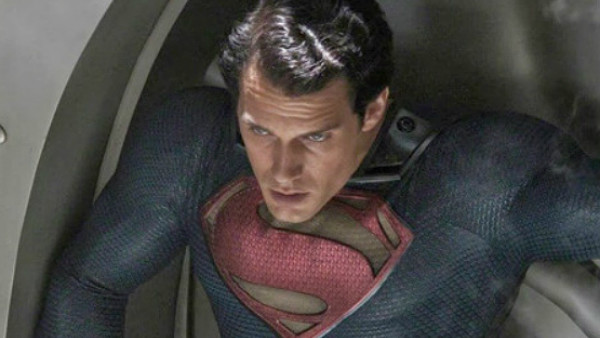
7. David S. Goyer Repeats His Batman Begins Script - Man Of Steel

Man Of Steel really divided opinion, with half the audience loving the reinvention of Kal-El, while others saw nothing beyond a city being totally and carelessly decimated. No matter which camp you fall into (where the majority of the writers on this site stand is well documented) there's no denying that the film bears more than a passing resemblance to Batman Begins.
From the obvious - flashbacks fleshing out the character, more serious tone, longer spent investing in character's motivations - to the more intricate - both Begins and Man Of Steel used pre-existing reimaginings of their heroes from the comics, eschewing the standard iconography - on a basic level (i.e. minus Zack Snyder's directorial style) the two films are born of the same blueprint.
And it's noticeable that both have one major creative role filled by the same person. David S. Goyer (who should totally be played by Stanley Tucci if a movie version of his life should be made) was a major force in darkening Batman, writing the screenplay for Begins and working on the story for the later two instalments of the Dark Knight Trilogy, and it wasn't too surprising that Warner Bros. got him to come work the same magic for Superman. And they must have been delighted because his story is pretty much the same thing, only with the odd Kryptonian inflection.
6. It's A Cash-In On The Hunger Games - Divergent

Whenever blatant copying is brought up in reference to The Hunger Games it tends to be the similarities it bears to Battle Royale. Vehemently denied by series creator Suzanne Collins, there's another, less circumstantial case with Katniss Everdeen herself being the copied.
The Divergent book series was built on the success of The Hunger Games and the films look set to work in a similar way; young lead, sci-fi/romance balance, splitting the last book in two. It's even distributed by Lionsgate, the same company who brought both Twilight and The Hunger Games to the big screen. But it's the plot, with the sci-fi trappings bringing up another dystopia with people arbitrarily split into different groups and a strong reliance on teenagers that really draw the parallels. It's evident to most people, but the target audience of teenage girls have still lapped it up.
You have to feel a bit sorry for Shailene Woodley. After a starring role in The Secret Life of the American Teenager and breaking into adult fare with a brilliant turn alongside George Clooney in The Descendants she looked to be ready to hit the big leagues as a serious actress. With her Mary Jane cut from The Amazing Spider-Man 2 and teen-aimed fare dominating her schedule she seems unlikely to rise as high as Jennifer Lawrence.
5. Martin Scorsese Remakes Goodfellas - Casino

Casino is probably the best film to appear on this list. Stylish in both direction and look, it tells a personal story that runs alongside the much bigger backdrop of mob-ran Las Vegas. It's the usual rise and fall gangster story that Martin Scorcese does so well. However, if you found yourself feeling like you'd seen it before, don't worry; from it's snappy one-line voiceover opening leading into narrated flashback through to the final shot of an out-of-the-big leagues hero it's essentially identical to the director's earlier Goodfellas.
Joe Pesci is an easy to anger psycho, De Niro plays a mash-up of Henry Hill and Jimmy Conway, the camera sweeps along with the characters for long shots, heck, the first half of the film seems to be out to trick you into loving the gangster lifestyle; it's all good stuff, but original it ain't. Even on a micro levels things are similar - there's jokes about how incompetent the feds are and the semi-remorseful ending is tonally identical in both. We know Scorcese can do twists on his own style - The Wolf Of Wall Street used a lot of similar tropes to Goodfellas, yet managed to feel decidedly unique - so for Casino to steer so close to what he's done before is a little strange.
4. It Really Wants To Be Jurassic Park - Godzilla (1998)

Some people may not have been too happy with 2014's Godzilla, finding there just wasn't enough screen time given to the nuclear behemoth, but at least Gareth Edwards did deliver us a movie that felt like it was indeed a proper Gojira picture. The same can't be said of Roland Emmerich's outing for the Toho monster, which took to odd approach of shunning the franchise it was a part of, instead acting as an unofficial spiritual sequel to Jurassic Park.
There's certainly a lot of Emmerich's usual city destruction that he'd done brilliantly in Independence Day, but that's overshadowed by how much he tries to be Spielberg's dino-adventure. Most obviously the baby Godzillas are identical to raptors in all but name (with effects that haven't dated anywhere near as well) which gifted the film with a very Park third act, but in general the narrative beats feel similar, with the monster(s) appearing and disappearing in a failed attempt to build tension.
Remember that Jurassic Park was only five years old at this point and still one of the biggest films ever made, making it a massive cultural touchstone and therefore this would have been readily obvious to an audience. The film had a lot of other problems, but trying so hard to be derivative really didn't help.
3. Verbinski Tried To Ape His Own Formula - The Lone Ranger
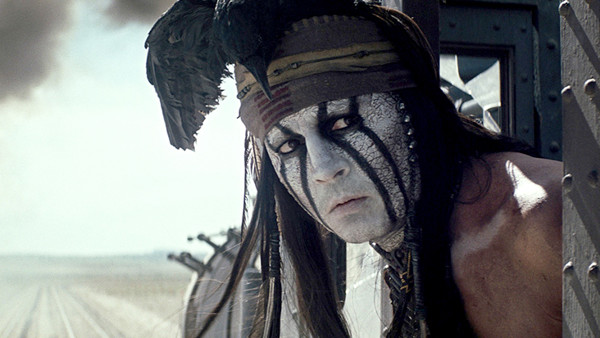
The Lone Ranger is a big screen update of 1960's TV series about the titular outlaw that gave top billing to a secondary character. That's a sign something's amiss and when that secondary character is played by Johnny Depp it becomes clear what's going on. Coming from Gore Verbinski, The Lone Ranger was the director's second film based on a source material with questionable relevance to modern audiences. The first was Pirates Of The Caribbean, which had escaped its theme park origins to become a crowd-pleasing action comedy thanks primarily to Johnny Depp's spot-on Keith Richards impression.
The Lone Ranger went for the same basic tactic, although it turns out Johnny Depp's arguably insensitive Native American impression isn't as big a draw. The whole film bore a very familiar, mainstream-friendly vibe that would have no doubt drawn more POTC comparisons if audiences had actually turned out to see it. What's infuriating is that it's not like this is Verbinski's unique directorial 'style'; with the Oscar winning Rango he not only redeemed himself after the overblown Pirates sequels, but showed us he can work in different genres and mediums.
The Lone Ranger was an incredibly high profile troubled production, with shooting stopping halfway through as the budget continued to climb. It struggled at the box office, making a sizeable loss for Disney, suggesting it's not as easy to get away with copying yourself as they thought.
2. It's The Unofficial Remake Of Rear Window - Disturbia

There was a time pre-meltdown when Shia LaBeouf looked set to be a major player in Hollywood. He'd come up through the Disney system with Even Stevens, but by the mid-naughties was ready to break out as his own man. However, long before he learned how to use copy and paste things were already looking shaky, with a string of questionable projects severely affecting the actor's credibility. Obviously chief among these was his lead role in the first three Transformers, a contractual obligation that endeared him to nobody, but Disturbia, which hit a couple of months before Michael Bay's first robo-explosion fest, didn't help.
Unable to leave his house, Shia finds himself bored witless so starts snooping on his neighbours, beginning to suspect one of them is a murderer. And no, we didn't accidentally get the synopsis of Rear Window mixed in there; Disturbia is just that similar. Coming from Dreamworks and Paramount, the latter of which used to have the rights to the Hitchcock classic, it's hard not to see it as a painfully thinly veiled remake. The filmmakers were keen to avoid this comparison. Probably due to the poor critical reception of the Michael Bay school of remakes, the furthest the cast and crew ever went was that the film was "inspired" in part by Rear Window. Yeah right.
1. It's The Feature Length Version Of Jessie's Song - Toy Story 3

Toy Story 3 comes with the same visual polish you'd expect from Pixar, but some real unoriginality in the story department lets it down; ignore the nostalgia factor and it doesn't work anywhere near as well as the other entries in the series. Taking place about a decade after the original two films, the trilogy ender sees a grown up Andy about to leave home for college, forcing the toys to have to deal with their obsolescence.
It's a natural final act to a story that's already looked at other toy tropes like favourites and collectors, but doesn't really work because every major element in its execution is a retread of a key subplot to Toy Story 2. Jessie's Song is one of the best moments in the entire franchise, showing the effect growing up has on toys (and, depending on your reading of the series, parents); in four minutes we see Jessie go from being adored, to forgotten and eventually discarded. And in those minutes all the same emotion of Andy growing up is doled out without any contrived trips to the dumb.
Worst of all, the ending of Toy Story 3 uses the exact same resolution to the Jessie-Emily story; the toys find a way to buy themselves a few years of playtime and assume everything will be OK forever. As a definitive ending to the series it's a rather open-ended and unfulfilling final beat.
What other films took the easy route and heavily used another film for inspiration? Head down the comments and let us know your choices.