7 Examples That Prove North Korea Takes Movies Way Too Seriously

Kidnappings, stealing credit, and defections all seem like rational ways to make movies, right?
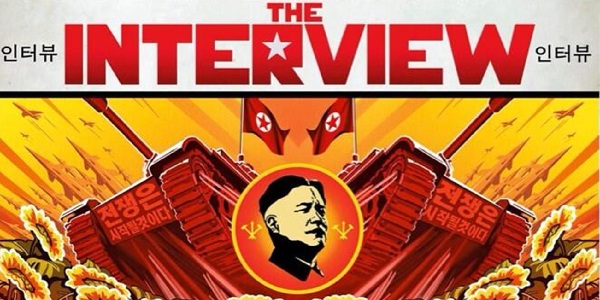
The upcoming Seth Rogen and James Franco comedy The Interview is making headlines for Sony Pictures these days, although not particularly good ones. The film depicts Rogen and Franco as reporters who are recruited by the U.S. government to assassinate North Korean leader Kim Jong-un. North Korea€™s propaganda-dispensing €œnews€ agency, Korean Central News Agency (KCNA), has responded with anger, releasing statements such as €œMaking and releasing a movie on a plot to hurt our top-level leadership is the most blatant act of terrorism and war and will absolutely not be tolerated," and threatening that €œmerciless counter-measure will be taken€ if the film were released. Recently Sony has been hit by an extremely damaging hack that has exposed the company€™s private communications, finances, and even confidential information regarding movie stars. It has been alleged that North Korea had something to do with the hacking, especially since the hackers have demanded that The Interview be shelved. They have denied involvement. If you€™re wondering why North Korea is so angry you need to understand just how seriously North Korea takes cinema. Kim Jong-un€™s father, Kim Jong-il, was a lifelong devotee to film and movies have been used extensively in North Korea for propaganda purposes. However, North Korea€™s obsession with film has to be detailed to believe. The following seven examples might seem incredibly implausible, but all reflect how seriously North Korea takes movies.

7. Kim Jong-il Owned Over 20,000 VHS Tapes And DVDs

It is common for a head of state to have a screening room in his or her official residence. Being a huge movie buff, Kim Jong-il was no different. But Kim definitely got more use out of his than most world leaders. The 2013 documentary Aim High In Creation revealed that Kim owned over 20,000 VHS tapes and DVDs that were kept in an air-conditioned vault in the basement of his palace. Most of the movies were American, and Kim said his favourite actors were Sean Connery (he was a big James Bond fan) and Elizabeth Taylor. Despite running a country, Kim apparently found plenty of time to watch movies and claimed that he watched every movie that won the Best Picture Oscar. He must have been proud of it because he told U.S. diplomat Wendy Sherman that during nuclear negotiations rather than talking about making the world a safer place.

6. Kim Jong-il Was Often Credited For "Improving" North Korean Movies
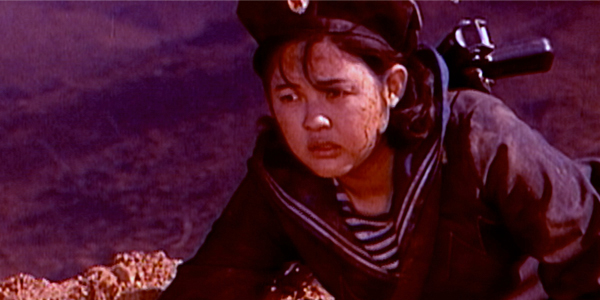
During his regime it was common for KCNA reports on North Korean films to praise Kim Jong-il€™s contributions to the movies. In most of these cases, Kim received credit for the success of the entire production. For example, an August 2006 KCNA article on the film A Schoolgirl€™s Diary noted that although Kim was busy with his "continuous inspection tour of frontline army units," he nonetheless worked on the film and "improved its script and guided its production to become a masterpiece of the times." The Minister of Culture also remarked that the movie "was the fine fruit borne under the wise leadership of Kim Jong il, a great master in art." The article makes no mention of the director, writer, or actors in the movie. Similarly, in April 2009 the KCNA credited Kim with the idea that the lead character of the film A White Gem (Part 1 and 2) would wear white "in the sense that the conscience and obligation of a revolutionary soldier following President Kim il Sung should be unblemished and pure." Again, no one else is recognised for contributing to the production. Even after Kim's death he was still being credited for his vast influence on North Korean cinema. According to a May 2014 KCNA retrospective on the 1969 North Korean film The Sea of Blood (based on an opera written by Kim's father, Kim il-Sung), Kim "initiated its filmization" and "gave detailed guidance to making the movie of The Sea Of Blood from the composition of its script to its direction and filming." If only all world leaders had time to "initiate filmization" of their nations' movies.

5. Kim Jong-il "Wrote" Books On Cinema Theory
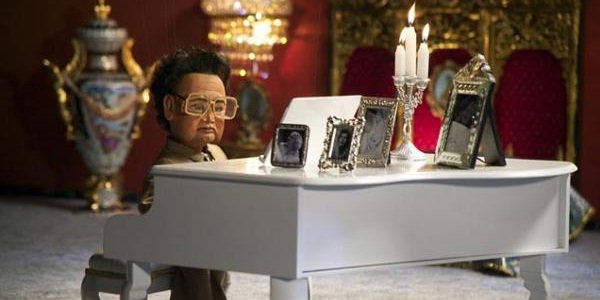
Since Kim Jong-il was presented as a master filmmaker because of all his contributions to North Korean film, it was only natural that he would share his expert knowledge of cinema with his people. Several of the over 1000 books and speeches that credit Kim as the author are about filmmaking, including The Cinema And Directing, Let Us Create More Revolutionary Films Based On Socialist Life, and the most famous, On The Art Of Cinema. Obviously with such a huge output Kim didn't "write" all these books. While Kim's advice on how to make films isn't completely unsound, his dictatorial biases often shine through. The Cinema And Directing contains such gems as, "Before imagining the 500 horses, the director should have pictured the gallant people who rose up against foreign aggressors and should have planned to depict their heroic struggle vividly" and "To revolutionize direction means to completely eradicate capitalist elements and the remaining dogmatism from the realm of directing." It€™s doubtful that Hollywood filmmakers will follow Kim€™s advice and €œeradicate€ the industry€™s capitalist elements.

4. A Movie That North Korea Co-Produced With A U.S. Producer Still Attacks The U.S.
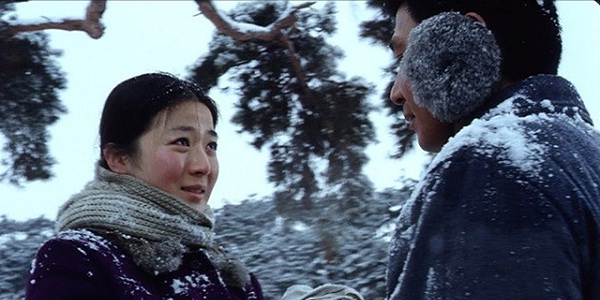
Though North Korea has occasionally co-produced films with other countries (the 2012 North Korean film Comrade Kim Goes Flying was co-produced by the United Kingdom and Belgium), obviously working with an American producer is out of the question for diplomatic reasons. The lone exception is the 2012 film The Other Side Of The Mountain, which was produced by Joon Bai, a North Korean-born American businessman and philanthropist who hoped he could make a film that would bring a message of peace to all Koreans. The epic is set during the Korean War and is about a wounded South Korean soldier falling in love with a North Korean nurse. Although Bai financed the film, the script had to be approved by the North Korean government and naturally it is filled with disparaging depictions of the United States. In particular, the climax of the film features U.S. soldiers burning a tunnel full of hundreds of North Korean women and children. It also ends with a patriotic sing-a-long calling for the reunification of the Koreas. Aside from its unique production partnership, the most astounding thing about The Other Side Of The Mountain is that despite being released two years ago it appears to have been made on film equipment from the 1970s €“ a common issue with North Korean film since, for the most part, the film equipment is actually from the 1970s.

3. North Korea Asked Another Country To Ban Team America: World Police
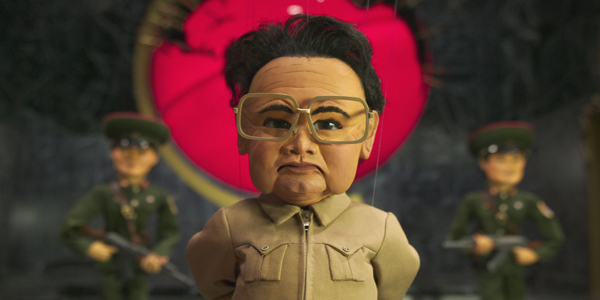
Unlike North Korea's fiery rhetoric (and alleged possible involvement in the Sony hack) in response to The Interview, the country offered no official condemnation of Team America: World Police, the 2005 marionette comedy by South Park creators Trey Parker and Matt Stone which mocked the diminutive Kim Jong-il. That didn€™t mean they wanted audiences to see it. While it was easy for the North Korean government to block the release in North Korea, outside of the country was another issue. The World Tribune reported that the North Korean embassy in Prague demanded that the film be banned in the Czech Republic because it "harms the image of our country." There were no other reports of North Korea requesting bans of Team America: World Police in any other countries. Why North Korea was concerned about just Czech audiences seeing the film is unknown, but the request was not granted.

2. North Korea Made a Twenty-Hour Long Spy Epic Featuring American Defectors
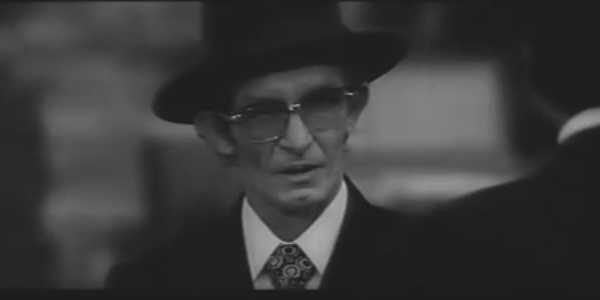
Unsung Heroes (AKA Nameless Heroes) is a twenty-hour long movie in 20 parts that were released from 1978 through 1981 about spies during the Korean War. It is an espionage adventure drama that tells the heroic "true story" (in North Korea's sense of the term) its spies played in the war. What makes the serial so significant besides its sheer length is the cast. Playing the villainous American and British personnel who supposedly masterminded the Korean War were four American soldiers who had defected to the country in the 1960s to escape the Vietnam War. When the film was finally acquired by the U.S. government in 1996, it proved that the four soldiers had been living in North Korea years after their defections. Of course, using actual Americans to play villainous Americans in Unsung Heroes was a high point for North Korea's movie propaganda machine, and the American "actors" became huge celebrities in North Korea because of their performances.

1. Kim Jong-il Kidnapped A South Korean Director So He Could Make Movies For Him
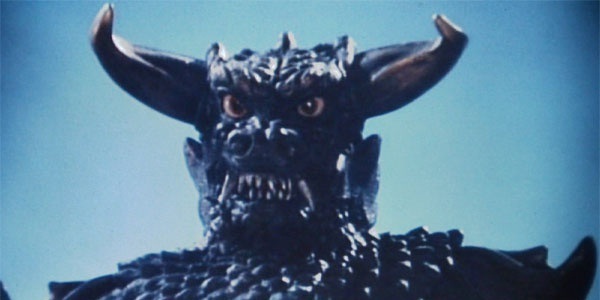
Nothing about North Korea's obsession with cinema is more absurd than when Kim Jong-il ordered the kidnapping of a South Korean filmmaker and his actress ex-wife in order to have them make movies that would prove to the world the righteousness of North Korean ideals. Filmmaker Shin Sang-ok was known as the "Prince of Korean Cinema" for his films, including 1958's A Flower In Hell and 1960's To The Last Day. In 1978, his ex-wife Choi Eun-hee disappeared while she was in Hong Kong. Shin also disappeared shortly afterward when he visited Hong Kong to find out what happened to her. It turned out that the pair had been kidnapped by the orders of Kim Jong-il for the purpose of making films. After a period of imprisonment for trying to escape, Shin made seven films for Kim from 1983 to 1986. The best known film is 1985's Pulgasari, a ripoff of Godzilla that was saturated in communist propaganda and actually featured Kenpachiro Satsuma, the then-current Godzilla actor, as Pulgasari. Shin and Choi escaped North Korean custody while on a business meeting in Vienna. He would return to filmmaking in South Korea and also directed and produced sequels in the 3 Ninjas series. Where do you think North Korea€™s response to The Interview ranks on this list? Tell us your thoughts in the comments.

Contributor
Contributor

Chris McKittrick is a published author of fiction and non-fiction and has spoken about film and comic books at conferences across the United States. In addition to his work at WhatCulture!, he is a regular contributor to CreativeScreenwriting.com, MovieBuzzers.com, and DailyActor.com, a website focused on acting in all media. For more information, visit his website at http://www.chrismckit.com.