7 Ages Of The Comic Book Movie
101 years of comic book movies!
 Warner BrothersTo say that the comic book movie is here to stay may seem like a glib understatement. In 2014 alone there are no less than five massive scale mainstream blockbuster movies being released based on Marvel Comics properties alone (Captain America: The Winter Soldier, The Amazing Spider-Man 2, X-Men: Days of Future Past, Guardians of the Galaxy, and Big Hero 6). Yet it was barely a decade ago that film critics, audiences and analysts perceived the raft of contemporary big screen comic book adaptations as a passing fad, a bubble that would soon burst. Of course films based on comic books (or comic strips) are nothing new, but just how did we get from a time when movies and TV were strictly yknow for kids, cheap and throwaway, to the current dominance of comic adaptations as the blockbuster form? Just as paper comics have their own ages, from Golden through Silver to Bronze and beyond, so have their screen progeny progressed through several epochs, each with their own prevalent trends, interests and style. Come with us, then, as we take a journey back through each of the seven ages of the comic book movie, highlighting the main elements of each and picking out the key films to watch as the best examples of their age.
7. The Prehistoric Age - 1913-1935
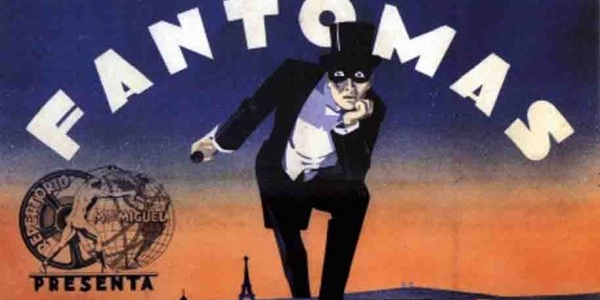 GaumontSequential art is one of the earliest storytelling forms, long predating moving pictures, but the movement of the "funny pages" towards what we understand today as the comic book happened in tandem with the growth of early cinema. As such it should come as no surprise that the pulp adventure storytelling of the silver screen was a major influence on the kinds of characters and stories appearing in comics. By the time that comics inspired movie adaptations of their own there was already a body of comic style films to draw on. The film serial in particular, with its episodic structure in which larger than life heroes and colourful villains swung from one crisis to the next, formed a model for the Golden Age of comics. It is easy to imagine the legacy that early film serials with names like The Green Archer and The Crimson Flash may have had on the creators of classic comic characters. Perhaps the first iconic film serial character, masked master thief Fantomas, appeared in French serials from 1913 and formed an archetype for the athletic, agile, adventurous anti-hero that would be taken up by the twisted genius villains (and some of the masked anti-heroes) of comics twenty years later. Fantomas, whose films were adapted from Marcel Allain and Pierre Souvestre's pulp novels, would go on to star in comics of his own, showing the ever present fluidity of comic-movie characters between media. As film entered the more ambitious 1920s and 1930s and the sound era, this kind of adventure hero moved beyond the cheap and cheerful serials to mainstream blockbusters. In 1934 The Scarlet Pimpernel, perhaps the original version of the foppish-millionaire-by-day, anonymous-crime-fighting-hero-by-night character, came to the big screen in the form of the suave Leslie Howard. After The Scarlet Pimpernel's mainstream popularity the first films directly based on comics would swiftly follow.
Key Film: The Mark of Zorro (1920)
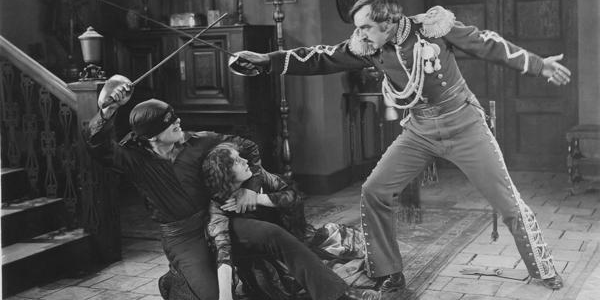 United ArtistsArguably the most influential action adventure film of them all, The Mark of Zorro, in which Californian aristocrat Diego de la Vega poses as vigilante Zorro with his black mask, cape and secret cave, influenced the superhero genre as a whole and one hero in particular. Batman's creation owed so much to Fairbanks' Zorro that tribute was paid to it as the film young Bruce Wayne's parents take him to before they are killed.
6. The Cliffhanger Age - 1936-1965
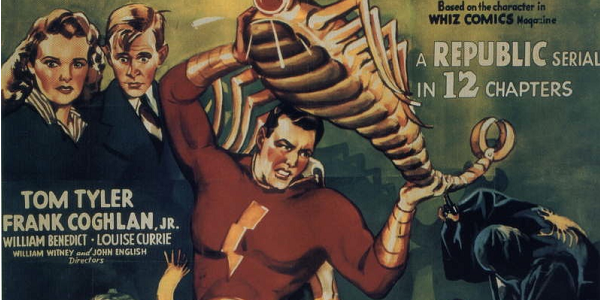 ParamountBy the mid-1930s what would become known as the Golden Age of Comics was underway and film studios started to look towards comics for sources to adapt alongside the radio dramas and pulp novels that had already proved fertile material. Comics did not have enough prestige or clout to attract mainstream A-picture adaptations, but their family friendly, episodic, cliffhanger based narratives leant themselves perfectly to serials and, later, TV. The first comic movies drew on the more established tradition of newspaper comic strips than the relative novelty of book style comics and superheroes. Square jawed space adventurers exploring the low-cost wonders of the universe proved a popular genre with 1936's Flash Gordon followed by Buck Rogers in 1939. Meanwhile more cartoonish takes on the hardboiled noir crime story resulted in The Shadow (played on radio by Orson Welles) moving like Fantomas from pulp novels to comics. In 1937 the character made the move to film with The Shadow Strikes, which was swiftly followed by a 15 part serial for his comic strip equivalent, detective Dick Tracy, in what was the longest, most expensive Republic serial to date. This serial, which was successful enough to be re-edited together into a feature film and spawn three sequels, saw Tracy thwarting the grandiose schemes of crime boss The Spider and his henchman Dr. Moloch. This sort of rogues' gallery of larger than life mobsters and mad scientists was just as influential as the new superhero genre on the arrival of Batman on the page in 1939. While not an officially licenced Batman adaptation the first superhero film serial, Republic's "original" story The Mysterious Dr Satan, had its eponymous villain defeated by orphan Bob Wayne in the guise of a masked and cowled vigilante. Superman had made his debut on the page in 1938 and his instant popularity had Republic earmarking him as the first superhero to make the leap onto the screen (before they instead went with Dr Satan). After disputes with Superman's publisher National Periodical Publications (now DC Comics), Republic simply transplanted their planned serial onto a very similar character from Fawcett Comics. So it was The Adventures of Captain Marvel became the first onscreen take on a comic book superhero in 1941. National would have the last laugh, though, when their legal action over the derivative nature of Captain Marvel shut Fawcett down for good. Superman would appear in a series of Oscar nominated short animations from Fleischer Studios between 1941 and 43 in which the Man of Steel was voiced by radio Superman Bud Collyer. Kirk Alyn would don the tights when the Superman serial was finally made in 1948, but by then the age of the film serial was beginning to decline, while TV was about to prove its logical successor in cliffhanger storytelling. The Adventures of Superman first appeared on TV screens in 1952, broadcast nationwide on ABC. B-movie beefcake George Reeves took on the lead role for the movie-cum-pilot Superman and the Mole Men and over a hundred subsequent episodes before his violent death in the summer of 1959. The final 50 episodes were filmed in colour but broadcast monochrome. It was not until syndication in 1965 that Supes' fans would see their idol in patriotic red and blue. By then, though, Reeves' earnest heroics no longer resonated with a more counter cultural age.
Key Film: Flash Gordon (1936)
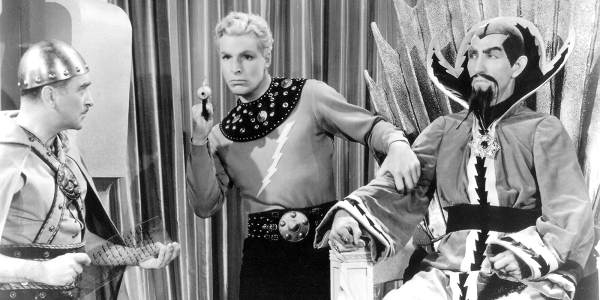 UniversalThe only comic adaptation selected for preservation by the US Library of Congress for being "culturally, historically or aesthetically significant", Universal's 1936 13 part story based on Alex Raymond's newspaper comic strip was the first comic-to-film translation and, as such, will always be an important and influential piece of film history. Flash paved the way and others followed (including his own sequel serials Flash Gordon's Trip to Mars and Flash Gordon Conquers the Universe).
5. The Pop Art Age - 1966-1974
 20th Century FoxOriginally airing in 1961 ITV's The Avengers (no relation to the Marvel Comics team that began in 1963) was a fairly conventional TV detective show. By 1965 and the arrival of its most famous cast member, Diana Rigg as cool asskicker Emma Peel, and its prime time US broadcast on ABC The Avengers had become a very different show, its clean and simple storytelling replaced by bizarre elements of science fiction and eccentric fantasy, all with a hyper stylised look. The age of Pop Art TV had begun. The Avengers may have begun on TV (comic strips ran in magazines through the mid-late 1960s), but it is indicative of the way screen adventure characters were changing and that included the shift from the old fashioned heroics of George Reeves' Superman to the arch silliness of Adam West's Batman, which aired on ABC from 1966 a year after the network began showing The Avengers. Wartime austerity had been replaced by a new affluence, while that age's black and white morality that allowed for simply drawn heroes had given way to the uncertainties and dissatisfaction of the Cold War and Vietnam. With the likes of Roy Lichtenstein's Whaam! both elevating comic visuals to fine art and reducing comic styles to parody, the stage was set for screen narratives that were hip, stylised and full of ironic oddballs covering an undercurrent of social subversion. This was the cultural climate that allowed Batman producer William Dozier to deliver a show that presented superhero adventures in a high camp, self parodic fashion. Even though West's Batman delivered moral lessons to the kids it was always with a detached sense of irony and a raised eyebrow (literally in the case of the latter as they were drawn onto his cowl). With America going through something of an identity crisis in this period, much of this stylish, subversive comic book material came from overseas. Fantomas, as popular with the pop artists as he had been with earlier surrealists, had returned to cinemas with a trio of light, Bond-style adventures from 1964-66 and his cool criminal anti-hero style influenced many Euro-comics and films of the day. The vengeful skull masked killer Kriminal first appeared in Italian comics in 1964 and was brought to screen in 1966 by giallo director Umberto Lenzi in lighter, more caper style escapades, swiftly followed by fellow horror maestro Mario Bava's similar Danger: Diabolik in 1968. The eroticism of the Kriminal comics often saw them in trouble with the censors, an increasingly common phenomenon in the more liberated 60s. Jean-Claude Forest's Barbarella, appearing in French comics in V magazine from 1962, was the poster girl for the sexually free 60s woman in comics. The sexy space romp transferred to screen in Roger Vadim's 1968 film starring popular pin-up Jane Fonda, pre-political activism and Oscars. It was not a success, but gained a cult audience over time. Less well known than Barbarella now, Britain's Modesty Blaise nevertheless enjoyed a moderate commercial success with an Avengers-esque surreal sexy spy-fi film adaptation starring Antonioni muse Monica Vitti in 1966. Like Barbarella, though, the film left critics non-plussed. The logical end point of these increasingly cultish sexualised comic films was adaptations of more explicit underground comics. The 1972 film of buttock fixated Robert Crumb's Fritz the Cat (made by future Lord of the Rings director Ralph Bakshi) was the first animated film to receive an American X rating and the most successful independent animation to date. A sequel followed in 1974, the same year as Flesh Gordon, the first explicitly pornographic mainstream comic adaptation. In its nostalgia for the simple fun adventures in film serials of the Cliffhanger Age, though, this porno anticipated the clean cut trends of the next era.
Key Film: Danger: Diabolik (1968)
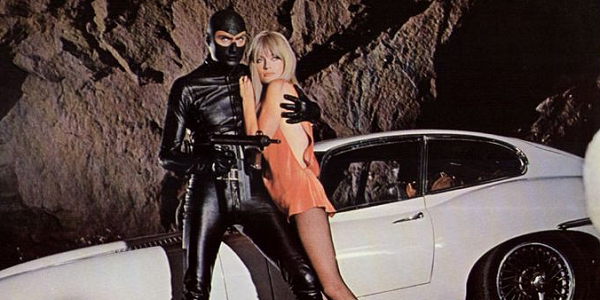 Dino De Laurentiis/ParamountDiabolik, inspired by creator Angela Giusani findng a Fantomas novel on a train, predated Kriminal as a comic and obviously inspired it. As a film Diabolik came second, but was a far superior take on the material. Bava had a stronger visual sense than Lenzi and made a film whose stylish pop art visuals and subversive tone would fit the era's style perfectly, inviting audiences to root for a cool anti-hero rather than the dogged detective in pursuit.
4. The Justice Age - 1975-1986
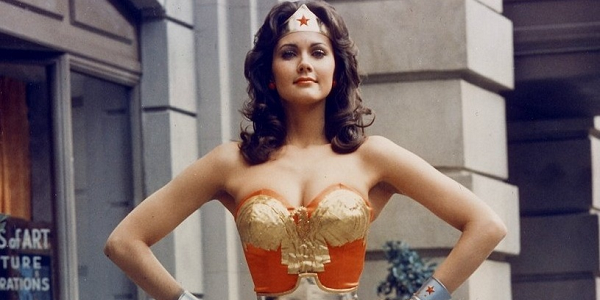 Warner BrothersDuring the Pop Art Age there had been two attempts to bring the greatest female comic book icon to screen in a manner fitting the era, 1967's sitcom-ish Who's Afraid of Diana Prince? an unfilmed script commissioned by Batman producer William Dozier, and 1974's Wonder Woman, a pilot movie featuring a superpower free spy in a jumpsuit that eschewed the character's traditional patriotic colour scheme. By the time Wonder Woman came to TV screens in 1975 in the still definitive version played by Lynda Carter, though, there was a new Diana for a new era. With this Wonder Woman fighting for her rights in her (star-spangled) satin tights in the less morally murky Nazi bashing 1940s there was no subversive archness, just old fashioned American heroism. We were now entering an age in which Superman could introduce himself as "here to fight for truth, justice and the American way" without a hint of irony or awkwardness. By the late 1970s the war in Vietnam was over, Nixon and the Watergate scandal had passed and the edgy anti-establishment films of the New Hollywood were giving way to a new age of optimistic, large scale crowdpleasers. This was the dawn of the modern blockbuster and its main exponents, Steven Spielberg and George Lucas, hearkened deliberately back to the thrilling adventures and cliffhanger crises of classic serials with the enhanced budgets and effects of the 70s. With the likes of Star Wars and Indiana Jones simply Buster Crabbe starring Republic serials writ large there was no surprise to see a big screen remake for the original comic-to-screen hero. Barbarella and Danger: Diabolik producer Dino De Laurentiis' 1980 take on Flash Gordon struggled to find a tonal balance between the parodic campness of De Laurentiis' 60s comic adaptations and the earnest heroics of the original comic strip and film serial, resulting in a film that flopped despite some cult popularity. Other square jawed all-American heroes fared a little better than Sam Jones' football star Flash. Captain America's wartime Republic serial was the only Marvel (then Timely Comics) based film for generations and he returned in a pair of TV films for CBS in 1979 and 1980. Reb Brown, in a stars and stripes costume more akin to Evel Knievel than Chris Evans, played Steve Rogers as the son of a patriotic wartime spy in a set of cheap and cheesy adventures. These films came about as a result of a Marvel-CBS deal that saw the channel become "the superhero network". The Amazing Spider-Man appeared in a 1977 TV film that served as a backdoor pilot for a cheap looking TV series, while The Incredible Hulk proved more popular and enduring. The considerably more ambitious Superman series brought such old fashioned American adventure to a much larger scale as the first comic book superhero films made as blockbuster features. 1978's Superman and 1981's Superman II were smash hits with high critical regard for their mix of action and comic elements and fine chemistry between Christopher Reeve's affable Clark Kent and Margot Kidder's sparky Lois Lane. By 1987's dreadful and ultra-cheap Superman IV: The Quest for Peace, however, the series was well and truly over. It would take a different type of hero to the Big Blue Boyscout and a different tone to revitalise the superhero movie a couple of years later.
Key Film: Superman (1978)
 Warner Bros.Costing $55 million, an enormous sum in 1978, Superman: The Movie was the first film to consider a superhero a subject for a big mainstream hit and to try and use effects properly to realise the true extent of superpowers onscreen. As the tagline famously had it: "You'll believe a man can fly". Every blockbuster superhero picture since owes it a debt for showing it was possible.
3. The Gothic Age - 1987-1999
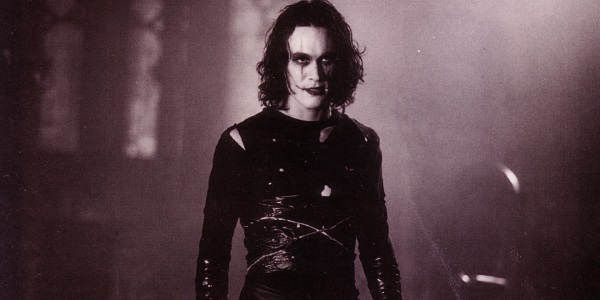 Dimension FilmsDuring the 1980s the writing on mainstream comics underwent a shift from bright and family friendly to gloomy and grown up thanks to the likes of Alan Moore's Watchmen and Frank Miller's The Dark Knight Returns. It was inevitable that sooner or later film would take on board this tonal change and, sure enough, if the 1970s and early 80s were coloured in red, white and blue, the comic book film of the 90s would prefer black (and sometimes very, very dark grey). It was not a case of making movies that imagined comic book heroics in a grittily realistic surrounding (that would have to wait another couple of decades). No, these were films of heightened Gothic sensibilities and grandiose expressionistic designs. The key figure in this movement was Tim Burton. Handing the Beetlejuice director the keys to the Batmobile was a bold move on the part of Warner Brothers, but Burton's two Batman films were major successes and his cartoonish Gothic mise-en-scene established the popular style to imitate. Barry Sonnenfeld's take on Charles Addams' macabre New Yorker comic strips gave us the Burton-lite The Addams Family (1991) and Addams Family Values (1993), which would, like Batman, spawn a popular animated TV series. The post-Burton art deco noir toned Batman: The Animated Series would inspire a generation of similar animated takes on comic icons and a whole DC Animated Universe, as well as three movies of its own that, like its live action equivalents, started strong and gradually declined in quality. Just as Batman's rogues' gallery made for as viable a source for adaptation in the 90s as it had in the 40s, Dick Tracy also returned in Warren Beatty's high budget adaptation, praised for its comic strip art direction more than its plotting. Tracy was joined amongst 30s comic stars on screen by The Spirit (in a 1987 TV movie starring Flash Gordon's Sam Jones) and The Phantom in 1996. Many of the Gothic Age characters on screen, however, had their origins in darker, more recent comics of the 70s and 80s. Skull shirted vigilante The Punisher appeared on the page in 1974 and onscreen in the form of Dolph Lundgren in 1989. Resurrected rock goth The Crow made the transition even quicker, with his first comic published in 1989 and the film adaptation in 1994. The Crow would eventually manage three sequels and a TV series despite the tragic death of star Brandon Lee mid-shoot. Badass black vampire killer Blade had been a supporting character in the Marvel universe since 1973, but only got his own title in 1994. The $40 million budget for the character's big screen adaptation may seem like small fry compared to today, but it represented a significant investment in a comic property at the time and the gloomy actioner became the first Marvel adaptation to secure any meaningful profit. The $131 million it earned set Marvel up for the success its properties would enjoy in the new century. Away from the US the first films based on Japanese manga to pick up a significant international audience, 1988's Akira and 1995's Ghost in the Shell, used the same nocturnal rain sodden urban noir landscapes to tell technologically dystopian stories of the near future. Although not based itself on an individual comic, The Matrix represented a hugely successful marriage of these Eastern and Western noir comic styles. Its zeitgeist-y success on release in 1999 allowed for the breakthrough of the comic book actioner as a major genre in itself in the years that followed.
Key Film: Batman (1989)
 Warner Bros.More influenced by Robert Wiene, Fritz Lang and F.W. Murnau than Bob Kane or Adam West, Tim Burton's Batman created a Gotham City full of long dark shadows and angular architecture where every character from the protagonist down is a freak in a mask and set the tone for the whole era.
2. The Mainstream Age - 2000-2008
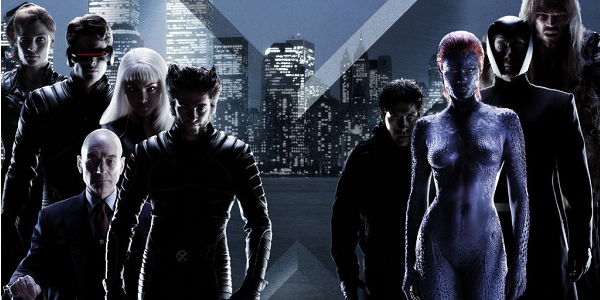 20th Century Fox20th Century Fox acquired the rights to X-Men in 1994, the script going through a number of big name writers including John Logan, Joss Whedon and Michael Chabon before production really began in earnest after Blade's 1998 success. The Usual Suspects director Bryan Singer came on board and made the film work through a commitment to taking the source material seriously and exploring the comic's analogues with homophobia and the civil rights movement, all married crucially to a strong blockbuster filmmaking sensibility that saw its best expression in the thrilling attempted presidential assassination sequence that opened the film's sequel X-2: X-Men United in 2003. Singer's X-Men success was rapidly followed by a huge number of new comic book movies, many of which followed the template that Fox had achieved with X-Men. Directors were hired on the basis of critical or indie movie credibility rather than past big movie experience and invariably these directors were keen to speak of their passion for the source material. For successive summers there were new takes on classic heroes from some of Hollywood's most in demand directors. Sam Raimi's Spider-Man (2002), Ang Lee's Hulk (2003), Guillermo del Toro's Hellboy (2004), and Christopher Nolan's Batman Begins (2005) may have varied in quality and popularity but nobody can doubt their ambition or desire to take their material seriously. While some directors previously known for small scale indie movies were moving onto comic book blockbusters, others realised that comics had fertile material to be explored for more low key narratives. Slice of life comics like Ghost World, adapted on screen by Crumb director Terry Zwigoff in 2001, or autobiographical comics like Harvey Pekar's American Splendor, filmed with Paul Giamatti as Pekar in 2003, showed that the comic book film was not so much a genre as the comic book was a whole source medium for any genre. Even big name directors like Sam Mendes with Road to Perdition in 2002 and David Cronenberg with A History of Violence in 2003 looked to comics to provide new stories. An essential element of this new era of serious regard for comics as valid source material was a greater desire for authentic translation of the source to the screen, the inevitable extension of which was comics' creators being involved in the adaptations. Co-director credits for the likes of Sin City's Frank Miller and Persepolis' Marjane Satrapi ensured the movies reflected their comic creations in the smallest details. If anything else needed proving about the credibility of the comic book movie Nolan's 2008 Batman sequel The Dark Knight provided it with universal critical acclaim, box office returns of over $1 billion and an Oscar in one of the major categories (Heath Ledger's posthumous acting award for his chilling performance as the Joker). But it was another film that summer about a billionaire playboy gadget freak that would move things on to the next era: Marvel's Iron Man.
Key Films: Spider-Man (2002) & Ghost World (2001)
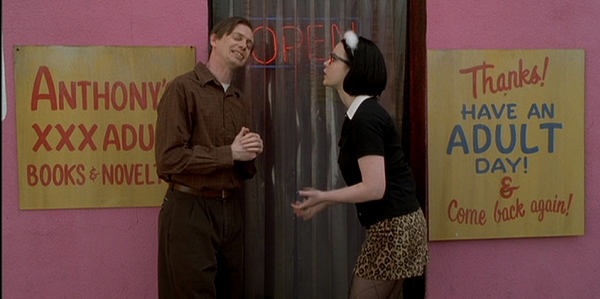 United ArtistsA pair of films to represent the diverse spread of the comic book movie in this period. X-Men may have opened the door to the superhero blockbuster becoming the summer mainstay it is today, but Spider-Man's bigger scale, ambition and success made superheroes what everyone was talking about. Meanwhile Ghost World's cool indie style showed a different path for the comic book movie and influenced film versions of everything from American Splendor to Scott Pilgrim.
1. The Crossover Age - 2009 onwards
 Warner BrothersA number of fans and critics have since described the summer of 2008 as "peak superhero", the point at which the hugely popular releases of The Dark Knight and Iron Man represented the summit of the genre. The suggestion is that in the early years of the 21st century the market has become increasingly saturated with comic book action blockbusters that are increasingly similar and lacking in standout or unique characters, plots or sequences, leaving audiences jaded. Film studios have obviously become just as aware as fans have of this potential problem with a crowded market and have opted for a solution straight out of the comics themselves: the crossover. Despite the notion that it represents the peak of the genre's potential Iron Man actually pointed the way to this new practice. Although not much noticed by the original audiences on the film's release, the fact that Iron Man represented Marvel Studios' first attempt at their own production rather than licensing the rights to their characters elsewhere paved the way for a shared Marvel universe. Small teasers in early Marvel movies grew to whole shared narratives by the time Captain America: The First Avenger set up The Avengers, which was an even bigger hit than The Dark Knight (or its sequel released at the same time as Marvel's crossover hit). All of the later films in Marvel's "Phase 2" have received a boost in audience figures from their earlier pre-Avengers episodes making an obvious template for other companies to follow. Marvel products owned by Fox and Sony have also been developed into shared "cinematic universes". Rather than reboot the X-Men series with another prequel, Fox brought both generations of characters together with X-Men: Days of Future Past and plan on adding the new version of Fantastic Four to the same continuity, while Sony's The Amazing Spider-Man 2 set up not only its own sequel but a series of villain based spin-offs. Now that Marvel is the leading innovator in comic book film, DC and parent company Warner Brothers have followed suit. After years of struggling to get a Justice League film made the success of The Avengers has provided a commercial rather than artistic drive to do so. With Batman v Superman to come next summer, a DC shared universe is sure to follow. Captain Marvel (Shazam), the first onscreen superhero, has been suggested as DC's next movie hero, bringing things full circle. In fact, for all the talk of "peak superhero", it is the movies of superhero comics that continue to generate audience and critical notices in the current age, while films from other comic sources can struggle to get a look in. Francophone adventurers Tintin and Adele Blanc-Sec might have stood a good chance of a wider audience in the Justice Age. As it is, despite the attachment of big name directors Luc Besson (for 2010's The Extraordinary Adventures of Adele Blanc-Sec) and Steven Spielberg (for 2011's The Adventures of Tintin), neither's modern film drew a great deal of attention.
Key Film: The Avengers (2012)
