50 Most Essential Horror Movies Of All Time
 Horror is my favorite genre of film. When its working properly, I believe it creates the greatest interaction between the audience and the cinematic medium, forcing us to examine every inch of the frame, to notice everything, so that we can try to see whats coming. At the same time, I realize that not all horror is great art, and sometimes its enough to just throw as much blood as you can at the screen, make sure everyones having a good time, and call it a day. I dont know if its possible to determine a single, best ever horror film. One mans horror may be anothers comedy. What scares us is often rooted in our personal experiences, so while those of us that love horror have no problem agreeing on a favorite genre, picking a favorite film can be much trickier. But I do think its possible to list the films that are most essential to the genre, which is what I will try to do here. These are the films that must be seen, because of their greatness, their impact, their legacy, and the way they toy with and expand the genre. They are the films that every horror fan should know. Because this list is purely my own creation, it will (obviously) reflect my own tastes and determinations on what is and isnt horror. There will be omissions of films that many may find horrifying that I think are primarily adventure or action films (Jaws, Aliens), and I will shy away from many older films that, while entertaining and important in their own right, arent as vital to the genre as many of its more recent offspring (for example, Bela Lugosi & Vincent Price's many trips through the genre). Ive cheated a bit in ranking some films along with their remakes or immediate sequels (if worthy) to fit two films into a single entry. As for the order of the films, again, purely subjective, so feel free to tell me what films should be where, what Ive forgotten, and where Ive gone crazy. My intention here is to be less a brick layer than a gardener. In the end, maybe it is a best of list, but a fluid one at best. Ive also tried to avoid as many spoilers as I can. Many of these are probably past the statute of spolier-limitations anyway, but proceed with caution. Here are the fifty most essential horror films of all time...
50. The Amityville Horror (1979)
 The Amityville Horror hasnt exactly aged gracefully, but its still a plenty effective little slice of mostly harmless horror. Coming at the end of a decade that saw the release of both The Exorcist and Halloween, Amityville feels a bit tame, although it does present an interesting take on the American dream of happy homeownership gone wrong. The film works because it has plenty of atmosphere, an able bodied cast led by James Brolin, and enough uneasy moments to make for tense viewing. Amityville falls under a cloud of what Id call cozy horror, the kind of movie that has enough scares to get your blood pumping but doesnt present anything too threatening. Sometimes thats enough.
49. The Fog (1980)
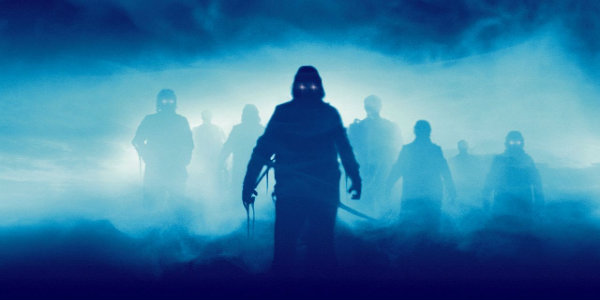 Another mostly atmospheric piece, though this one was helmed by horror legend John Carpenter. The Fog is a short, sweet revenge tale about a town built on secrets thats about to get its comeuppance. The shots of ghostly figures emerging from the titular fog are stirring, and even if it doesnt leave the lasting impression of some of Carpenters other work, you can tell your in the hands of a skilled craftsmen.
48. American Psycho (2000)
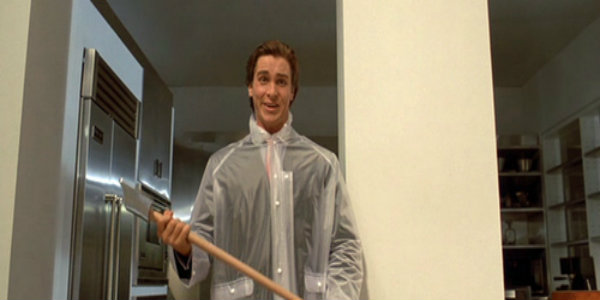 An unapologetic (and extremely controversial) satire on the excess and moral bankruptcy of 80s yuppie culture, Mary Herrons adaptation of Bret Easton Ellis equally controversial novel features one of the most insane yet enjoyable villains in horror history: Patrick Bateman (Christian Bale in an incredible performance). While the movie doesnt get into Batemans head in the same ways that the novel does (which makes the end a bit murkier), the film does present us with an interesting moral quandary: how are we so drawn in and entertained by this man despite what hes doing? If nothing else, the film earns a spot on this list for giving us our only opportunity to watch Christian Bale dance around with an axe to Huey Lewis and the News.
47. Drag Me to Hell (2009)
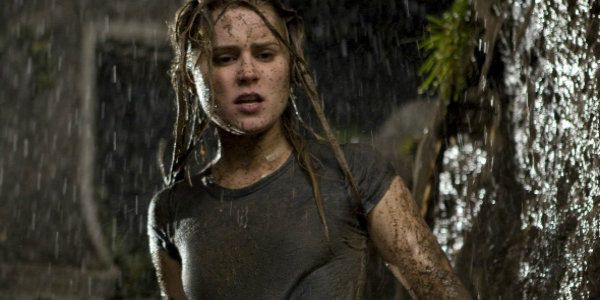 After directing one of the most successful superhero trilogies of all time, Sam Raimi got back to his roots with Drag Me to Hell, a raucous horror-comedy about a cursed loan officers quest to escape eternal damnation. Raimi, more than almost any other horror director, specializes in entertainment. Hes here to make you laugh as much as hes here to make you scream. And despite not having worked in the genre since the Evil Dead series, he proved that he hadnt lost his touch, mixing humor with jump scares, gross out gags, and a ridiculously enjoyable over the top climax (including a possessed goat). Drag Me to Hell straddles the line between comedy and horror about as tightly as a film can, but its got enough of a bite to keep it from being an all out farce. A completely self aware, campy and creepy joyride.
46. Pet Semetary (1989)
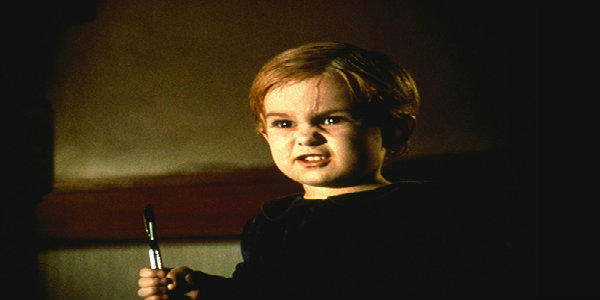 Stephen King has probably written more great horror stories than any other two authors combined, but for all his success on the page, film adaptations of his work are usually lacking. Sure, there are exceptions (Misery and The Shining being the most notable), but on the whole many of his campfire tales are done an injustice when given the big screen treatment. Not so with Pet Semetary, a quiet little family horror film that starts slow but quickly descends to some very deep, dark places. Pet Semetary is horrifying not only for what it presents on screen, but for the moral and ethical questions it raises about our very selfish human nature. How many of us would make the same choices that Louis Creed makes? How many of us want to play God? Pet Semetary is one of Kings deepest journeys into mans heart of darkness.
45. Buried (2010)
 A claustrophobics worst nightmare. Director Rodrigo Cortes and writer Chris Sparling go a long way with only a little to work with in Buried. One on screen actor in Ryan Reynolds as a kidnapped American contractor in Iraq. One location, the coffin in which he has been buried unground somewhere in the desert. What easily couldve become an exercise in tediousness is transformed into a taut, horrifying thriller as Reynolds races against time to get out of his grave. The script explores every angle of the situation, giving us one new disaster after another to keep us riveted, while Reynolds, in an extremely well put together performance, makes sure that were living each breath alongside him. A small film, but a potent one.
44. Dead Ringers (1988)
 I was more hesitant about including this film on the list than almost any other. In many ways its not a horror film; there is no killer, no malevolent evil for a hero to escape, not even much blood and guts most of the way. But it feels horrifying, and by the end, almost as if its violating our senses in what we should and should not see. David Cronenberg, long a maestro of so called body-horror, gives us this tale of identical twin gynecologists (both played to perfection by Jeremy Irons) in the midst of a serious identity crisis after they becoming involved with the same woman. Spiraling quickly into depression and madness, Dead Ringers builds to a climax that haunts us long after the film has finished rolling. It may not be horror in the traditional sense, but it cannot be discounted after seeing how it affects us.
43: Friday the 13th (1980)
 Perhaps the first film to truly embrace the conventions and cliches of the slasher formula, the first installment of the Friday the 13th series is a campy classic. It hits all the familiar beats: teenagers partying, drinking, doing drugs and having sex, then immediately being killed before a final girl (Adrienne King) faces off with the killer. After this, the series descended into unapologetic ridiculousness. But while the first Friday the 13th is very mindful of showing its audience a good time, its first priority is still to make us jump. Die hard fans of the series may prefer later installments, but for neutral parties, the original is as good as it gets.
42. Saw (2004)
 General disdain for the nearly endless string of sequels (there were seven in all) made many people forget that the first Saw film was actually a rather clever piece of mystery-horror. James Wans film looks and feels dirty as it traces parallel stories of a cop trying to catch the infamous Jigsaw killer, and two of his captives trying to figure a way out of his trap. Jigsaws ingenious games, - in which a captive is forced to shed their own blood to stay alive (or die trying) - were endlessly creative (at least in this installment), and the twist at the end of the film was surprising to most everyone. Comparisons to Se7en (a twisted killer teaching moral lessons through his crimes) were not without precedent, but Saw was original enough in its own right to feel less like a rip off and more like an inspired child of Finchers film. The first sequel wasnt bad either, but the original remains the series high water mark.
41. The Fly (1986)
 Body horror at its most intense and most frightening. David Cronenberg's remake of the 1958 Vincent Price film is a much darker vision about the transformation and eventual breakdown of the body and mind of a young scientist whose experiment doesn't go quite as planned. Jeff Goldblum, as the doomed scientist, brings surprising gravity to the role even as he becomes more and more unrecognizable. Cronenberg makes us watch the transformation with an almost cruelly slow pace. We see small changes first, then slowly the hair and face begin to change, teeth and fingernails fall off, and eventually we reach a point where we aren't sure whether more of Goldblum is insect or man. Not for those with a weak stomach.
40. Carrie (1976)
 A movie for everyone that hated high school. Brian DePalmas adaptation of Stephen Kings first novel is a film that understands the natural horrors of growing adolescence; the strange maturing of the body, feeling outcast by cruel schoolmates, not relating to anyone. Of course, all those things are worse if your mother is a religious zealot, two classmates pull the ultimate prank of cruelty on you on prom night, and youre secretly telekinetic. But such is life. Carrie is a sad horror film in many ways, because even once the blood starts running and the fires bursting, we cant help but feel bad for the girl at the center of it all. By then, of course, she cant feel anything except rage.
39. Dead Alive aka Braindead (1992)
 Peter Jacksons zombie romp is a serious contender for the goriest film of all time. Here we get pus shooting into custard, a pair of cognizant innards that chase our hero, and a priest who declares I kick ass for the Lord! before doing battle with the undead. Surprisingly, its not hard to believe that were watching the same guy who later went on to make the Lord of the Rings trilogy and re-imagine King Kong. Even here, working on the smallest of budgets, Jackson finds a way to use practical special effects and creative situations to create a roller coaster ride of bloody entertainment. Its shocking, its hilarious, its horrifying and unforgettable. And if nothing else, it shows you a new way to use your lawnmower.
38. Poltergeist (1982)
 Theres always been a debate over who really had control over this film, director Tobe Hooper or producer Steven Spielberg (who many think took the reigns away from Hooper). We may never know the answer, but the film is better for it. Poltergeist succeeds by blending the suburban discontent and magic that are trademarks of Spielbergs films with the hard edge of Hoopers work. I doubt if Spielberg himself couldve made an effective horror film alone, or if Hooper couldve created a family like the Freelings without Spielbergs touch. The union of their styles is what makes Poltergiest not only a great haunted house film but also great film about a family in crisis, full of magic and wonder with a frightening darkside.
37. Suspiria (1977)
 Ill admit off the bat that Ive never been as taken with Argentos films as many others. But Suspiria is an exception to the rule. A legendary film about a dancer who finds herself among a coven of witches, the film combines an eerie, dread filled atmosphere with bursts of the bloody violence that Argento made his name with. A stylistic masterwork, Suspiria is a great example of style influencing a film without dominating or overpowering the narrative.
36. Hellraiser (1987)
 Many horror films explore and exploit fears of sexuality, but few do it as directly as Clive Barkers Hellraiser. Pinhead, leader of the S&M styled cenobites, is one of the most quietly commanding villains in horror history, and the films ideas about infidelity, lust and the dangers of always seeking a greater pleasure remain potent to this day. Some of the special effects may seem dated now, but the film as a whole remains a disturbing, occasionally uncomfortable watch. Considering that it was Clive Barkers first film, made for only $1 million, thats quite an accomplishment.
35. The Last House On The Left (1972)
 Wes Cravens first film is a horror-minded revision of Swedish master Ingmar Bergmans The Virgin Spring. Its also a grainy, hard to watch exploitation film chronicling the abduction, rape and murder of two young girls, and then the violence that befalls their killers at the hands of one of the girls parents. There are plenty of films on this list that are fun to watch, a good time with a bowl of popcorn or some Halloween candy. This isnt one of them. Its a film that looks as rough as it feels, at times seeming more like a snuff picture than a narrative feature. The best of many rape & revenge film, its unflinching look at how violence infiltrates the lives of everyday people and changes them forever makes it a difficult but necessary addition to the list.
34. Funny Games (1997 & 2007)
 Michael Hanekes Funny Games may not have been intended as a horror film, but the way it dismantles the genre and turns its gaze on the audiences expectations and desires from violent film make it a necessary one. The story is simple: two young men take a family hostage and force them into a series of sadistic tests and games. Throughout the process, the fourth wall with the audience is broken, and the killers strike a wager with the audience as to whether or not the family will be alive come the films end. This is, of course, both a provocation and a exploration of why we see violent, horrifying films. Funny Games asks us what were really here for. Do we like to see the odds overcome, evil vanquished, and a hero surviving the ultimate test? Or are we really just here because its the only socially acceptable way to revel in our love of brutal violence and death. Its the kind of unflinching confrontation that Haneke has been known for throughout his career. Pick the original or the remake; Hanekes American version is a shot for shot remake of his Austrian original.
33. The Birds (1963)
 Hitchcock, master that he was, typically worked his craft in suspense rather than horror. But when he did try outright horror, he wasnt too bad at that either. The Birds is a film, like many others on this list, that endures not because of its scares but because of what it implies. The story is a bit silly, and the bird-attack effects are certainly dated. But the film itself is a reminder that chaos can come from anywhere, that people will turn on each other in times of terror, and, as the last shot implies, that things might not be alright in the end. A grim and effective addition to the filmography of one of cinemas greatest masters.
32. The Sixth Sense (1999)
 There was a time not that long ago when I would have guessed that M. Night Shyamalan wouldve had a few films on this list, but alas, that was not to be. But while his more recent work may be derided, its hard to speak a bad word about The Sixth Sense. A ghost story about two souls disconnected from the rest of the world that find solace in one another - one a victim of a dying marriage, the other a child of a broken family who swears he sees ghosts - is a small but powerful tale. The film looks and feels cold, but still jolts us to life with twists and turns that always keep us on our feet. The twist at the end of the film, of course, is what everyone remembers; even Shyamalan himself seemed to be trapped by it, chasing its effect in his later films to no avail.
31. Ils/The Strangers (2006 & 2008)
 Ils (French for "Them") and its American counterpart, The Strangers, present the horror of randomness. Weve all seen and heard stories about random, seemingly senseless acts of violence on the news, but here were presented with one up close and personal. In each film, a couple retreats to an isolated house, where they are attacked and terrorized relentlessly by a group of strangers. There is no motive, there is no reason. It happens because it does. The French original is shorter and punchier, while the American version has a more fleshed out story and ending. But both convey the same point, in terrifying fashion: evil is out there, and can strike us at any time.
30. Let The Right One In (2008)
 This Swedish export seems, on its surface, almost warmhearted. Oskar, a young, lonely, and oft-bullied boy finally finds a friend in Eli, a young girl who moves in next to him. The only problem, of course, is that shes a vampire. Thomas Alfredsons film is beautifully shot to reflect the lonliness and isolation of its main characters. On first look, despite its violence, the film feels positive, an unlikely friendship, even a love story perhaps. But when we realize the true implications of Oskar and Elis bond, there is only darkness.
29. The Wicker Man (1973)
 A film that lives off of the feeling of the uncanny, that sudden strangeness and unfamiliarity that you just cant place, but cant shake either. The Wicker Man follows a police sergeant whos sent to the island of Summerisle to try to track down a missing young girl. From the minute he steps onto the shores we sense that something isnt right, but its impossible to tell exactly what it is. The more we learn about the mysterious island, its traditions, and its leader, Lord Summerisle (Christopher Lee in one of his finest performances), the more that feeling of unease weighs on our stomaches. A slow burn of escalating dread, by the time we reach the finale and are introduced to the Wicker Man, the film feels ready to explodes. But then it does something worse - it only smolders, refusing to let us out easy. Instead we have to watch the proceedings slowly, almost painfully, assuring that theyll stay with us for days.
28. The Omen (1976)
 Gregory Peck and Lee Remick headline Richard Donners tale about the coming of the Antichrist. Peck plays the US embassador to London, who must confront the fact that his son, Damien, may be the son of the Devil. The Omen works because of how it combines traditional horror with adventure, as Peck has to do a bit of globetrotting to try to find out the truth about his son and how to stop him. It lacks explicit gore and an abundance of jump scares, but it has enough tone and atmosphere to make up for it. More fun than many of its contemporaries, and featuring great performances from its two stars, The Omen is a classic.
27. The House of the Devil (2009)
 Both an homage to the horror films of the late 70s and early 80s and an achievement in its own right, Ti Wests The House of the Devil is a masterclass in pacing. Following desperate for cash Samantha (Jocelin Donahue) on one of the worst babysitting jobs of all time, the film has a slow, steady but still unnerving build up to a manic, frenzied finish. West styles the film with 16mm and a deep, dark color palette of browns and reds, making for a gorgeous watch, even during the nastier bits. But what really holds the film together is Donahues performance, often because shes on screen for extended periods by herself. Shes able to convey so much through her body language, especially during a jazzercise-scored pool game, that we feel as if we know her personally. That makes us all the more invested in her fate once things take their inevitable turn for the worst.
26. Hostel (2005)
 The high water mark of the so-called torture porn subgenre, Eli Roths Hostel is a film thats always been a bit smarter than its given credit for. The promise of extreme violence, torture, and an exciting chase finish give the film plenty of surface texture, but below that (if you can get past the blood, guts, and eyeball goo) is a film that reflects Americas fear of the rest of the world, and comments on how rampant consumer culture has become. Hostel is a film where you can buy anything, and everything (and everyone) is for sale to the highest bidder. We see this early on with the main characters sex filled journey through Europe, than realize its morbid implications when they become just another product for a willing buyer. Hostel isnt easy viewing, but its a horror film with something to say.
25. Cat People (1942)
 Cat People may not be frightening now in the same way that it was when it was first released, but it represents a watershed moment for the genre. At a time when films were desperate to show a convincing monster or beast, Cat People went in the other direction and used shadows, implied actions and misdirection to create horror in the viewers imagination. And most times, what we can imagine outdoes what we see on the screen. It also presented a more direct connection between fears of sexuality (primarily female sexuality) than had been made at the time. Cat People lasts longer than many of its contemporaries because of how it creates fear in the mind rather then the eye of its audience. Other films from the time are taken with a grain of salt these days, their age being an excuse for how unconvincing they seem. But the imagined fear that the mind can conjure has no expiration date, so while it still looks outdated, Cat People can still create plenty of fresh tension in the minds eye.
24. Rosemarys Baby (1968)
 Roman Polanskis adaptation of Ira Levins novel is the American nightmare. Young couple (Mia Farrow and John Cassavettes) moves into a brand new, seemingly perfect apartment to start a new life. They try to have a baby. But when they finally conceive, something is terribly wrong. Whats worse, young Rosemary discovers, is how heavily involved in the mystery those closest to her might be. Paranoia drives this movie forward, and Polanski makes the plot feel like its not only advancing, but constricting around us. The ending leaves a bit to be desired, but as far as fever dreams go, Rosemarys Baby is one of the best.
23. Dawn of the Dead (1978)
 George A. Romeros second go-round in the zombie genre is bigger than his first in almost every way. The film is in color, adding a fresh flavor to the gore. We see initial scenes of the zombie epidemic as it sweeps across the globe. And then finally we settle in on a small band of survivors hiding out in an abandoned shopping mall, a much larger environment than the farm house where the majority of Night of the Living Dead took place. A far more visceral film than its predecessor, Dawn of the Dead also features more fully rounded characters and more complications to their situation. The allusions to the brain-dead nature of consumerism in America may or may not have been intentional, but either way they're a presence on screen. It doesnt have the same magic as Romeros first film, but Dawn of the Dead is a zombie classic either way.
22. Henry: Portrait of a Serial Killer (1986)
 Side by side with The Last House on the Left as one of the more uncomfortable films to watch on this list. Portrait is indeed the best word to describe Henry, as we get a complete picture of him; a total image. We see the him performing heinous, murderous acts, and then see him in normal life, relating to a friends sister and seeming almost human. Almost. Disturbing as the film is, it also carries a feeling of sadness, as we cant help but feel some sympathy for a life this broken and awry, even in spite of the horrible things that hes doing. Not easy viewing.
21. Evil Dead & Evil Dead 2: Dead By Dawn (1981 & 1987)
 It might be cheating here to place both of these together, but since they each offer a different picture of Sam Raimis skills as a horror director, I feel its necessary. The first Evil Dead is mostly business, making the most of a shoe-string budget to become one of the most successful and intense horror movies of its day. The second installment, almost a revisionist sequel to the first, takes a more campy, comic approach, and turns Bruce Campbells Ash into the chainsaw armed, catchphrase spouting Deadite slayer that made Campbell a legend. Both films are worth watching, albeit for somewhat different reasons, and both showcase how effective Raimi can be at balancing horror and comedy, able to give either one the upper hand without sacrificing the other.
20. A Nightmare on Elm Street (1984)
 Before Freddy Krueger was the face of the franchise, telling jokes and essentially becoming the main character in the films, he was actually quite frightening. A Nightmare on Elm Street is somewhat ingenious in the way it deploys its villain; horror films are designed to keep us up at night anyway, so why not create a killer that can only find you in your dreams? Wes Cravens film uses practical special effects to enhance the dreamscapes in the film, while giving us an age old tale about children inheriting the sins of their parents. The series would later spin into ridiculousness (although the third installment is a fan favorite), but the original is still one of the most creative slasher films of its time.
19. Paranormal Activity (2007)
 A love it or hate it film, Paranormal Activity either worked for you or fell flat. Originally made in 2007 and then slowly released at festivals and midnight showings in the following years, Oren Pelis found footage film about a young couple dealing with a malevolent presence in their California home makes use of simple jumps, unnerving waits, and seemingly relentless action over its rather short running time. If Paranormal Activity works for you, its probably because the story never gets too big; we always feel as if these things - a moving sheet, a door shutting on its own, strange noises down the hall - could be happening to us. If theres a drawback from the film, its that it really only works the first time, when you dont know whats coming. But as far as first impressions go, its a strong one; Ive never seen as many people literally sobbing with fear after a horror film as I did leaving a midnight showing of this one years ago.
18. Repulsion (1965)
 Rosemarys Baby may be Polanskis best known horror film, but 1965s Repulsion is actually his best. Starring a young, entrancing Catherine Deneuve, Repulsion tells the story a young woman left alone with her escalating fears of her own attractiveness, sexuality, and desire. Much like Rosemarys Baby, Repulsion feels like almost like a manic dream, but in this film Polanski was willing to go farther in his imagery of nightmarish moments. Strange men emerge from no where to molest Deneuve, arms literally reach through the walls to grope at her. The horror comes not only from seeing what she fears could be happening to her, but also from her own internal terror that deep down, she may actually like or want it.
17. Scream (1996)
 Meta-horror at its finest. Wes Cravens 1996 hit about a serial killer whos bringing his love of horror movies to life examines the genre while at the same time paying tribute to the great films of its past. Well known for explaining and toying with the rules of slasher films (virgins never die, etc.), the film also has more subtle references to what its doing and where its going in relation to the genre as a whole. Consider an early scene in which Sidney, the main character, receives an unexpected visit from her boyfriend, Billy Loomis. The name Loomis is both a reference to Halloween and Psycho, as it was used as a last name for characters in both of those films. So we see that this film aims to follow in the tradition of those earlier masterpieces. However, during the scene we notice that a song is playing in the background: a slower, mellow cover of Blue Oyster Cults Dont Fear The Reaper. The original version of the song is featured in the original Halloween, when Laurie Strode and her friend Annie are driving through town, while being silently trailed by Michael Myers in the car behind them. The use of this song, but a different version, in Scream clues us in to the fact that a malevolent force is present, but the proceedings are going to be different than they were in the past (meaning that the plot will unfold differently than in Halloween, a straightforward slasher film). Craven is telling the audience, or at least those well versed enough in the genre to pick up on the reference, that while the words and ideas of the slasher film may remain the same, hes changing the melody and updating the tune. Full of similar winks and nods to its forefathers, Scream is one of the most fun films on the list.
16. (2007)
 Short and sweet, this Spanish found footage gem about a young reporter and cameraman trapped in a quarantined building starts fast and hardly ever lets up. Soon its apparent that the tenants in the building are trapped inside with something else, a rapidly spreading infection that turns them into zombie-like monsters. Directors Jaume Balaguero and Paco Plaza wisely never gave cast members a full script, so the actors on screen were often surprised and anxious about what was coming next, giving the film a frenzied, nervous tone throughout. Likewise, the final scenes were shot in complete darkness, so the actors present had no idea what was going on around them or what would be happening to them. The tension is palpable, and while it is, of course, fiction, it sure feels like the real thing.
15. Se7en (1995)
 Another film that debatably is or isnt horror, depending on the viewer. Ive personally always thought of David Finchers Se7en as a horror film, even if its horror masquerading as a cop movie mystery. Morgan Freeman and Brad Pitt make up a team of cops on the hunt for a killer basing his murders on the seven deadly sins, although its unclear until the end who really has the upper hand in their chase. David Finchers second film (after his disastrous experience at the helm of Alien 3) is full of 90s noir imagery, moral and ethical questions, and a seemingly unstoppable evil. The ending, like the Sixth Sense, is whats remembered the most, as we finally move from the dark, rainy city into the wide open space of the desert, where the cops and the killer each finally lay down their cards and show their hands.
14. 28 Days Later (2002)
 Danny Boyles film may have set off the revitalization of zombie films over the last decade, because it gave zombies something that they hadnt had in the past: speed. Suddenly they werent the lumbering, brain-dead monsters of films past, they were a horde of olympic speed sprinters chasing after you with no signs of slowing. Featuring gorgeously eerie shots of an abandoned London, a grainy, apocalyptic look, and a great sound track (as is typical for Boyle), 28 Days Later was intensely fresh and original upon its release, and still remains an involving, cerebral horror film more than ten years on. Here is a film that forces us to question which is worse: the monsters outside or the humans trying to survive by any means necessary? As with all great films, it never gives us a totally clear answer, but allows us to watch the proceedings unfold with wonder and fear in our heads and hearts.
13. Ringu/The Ring (1998 & 2002)
 Another film thats best remembered for its ending, Ringu remains Japans highest grossing horror film, while Gore Verbinskis American take on the tale is up to par with the original. Both plot lines are fairly similar, with only minor changes between the two films. Its rare that an English-language remake lives up to the precedent set by the original film, but The Ring is the exception to the rule. Verbinskis film is all foggy texture and growing gloom, a pictured bathed in the hazy gray of the Pacific Northwest. The Ring is a film that stays with you after youve left the theater, especially once the seventh day after you first see it rolls around, and you secretly hope that your television doesnt start acting funny.
12. Night of the Living Dead (1968)
 It doesnt have the budget, resources, special effects, or color of its sequel, but George A. Romeros Night of the Living Dead has some kind of magic to it that still makes it the scarier of the two. Maybe it is the black and white, or the low-fi soundtrack, or the methodic pace that make it so effective. Maybe its just the mood that comes with watching those first flesh eaters slowly wander across the dimly lit yard, eyes vacant but headed for their prey. Some films just capture something special, and Night of the Living Dead is one of them. By all rights it should feel old, cheap and laughable now, but its still as potent and frightening as ever.
11. The Shining (1980)
 Stanley Kubricks take on the Stephen King novel of the same name feels less like an adaptation and more like an interpretation. Here, we get one of the best filmmakers of all time at the top of his form. He turns the Overlook hotel into an monstrous maze of winding hallways and echoing rooms that seem to have no end. The horror Kubrick builds creeps in slow and steady, as we watch Jack Nicholson gradually go from anxious, to unglued, and then to full on psychotic by the films ending. The formal pacing and presentation of the film enhance this feeling, mesmerizing us and creating the feeling that the Overlook may be getting to us, the viewers, as well. The Shining has some of the most memorable and oft-referenced scenes of any horror movie ever, and were it not by some troubling overacting by its two leads (Shelly Duvall mainly, but Nicholson isnt innocent either), it would be a near perfect horror film.
10. The Blair Witch Project (1998)
 Like Cat People, The Blair Witch Project is essential not only for its effects on the audience but for its impact on the genre as a whole. There had been other found footage films before, but none like this one. As we see three amateur documentarians slowly unravel, all the while wondering if their subject - the supposed Blair Witch of Marylands woods - may be more real than they thought, the authenticity of the films appearance cant help but get to us. Utilizing amateur actors, and leaving them in the dark on what would happen in many scenes (a technique borrowed by ) makes everything feel more alarming and real. Like Cat People, the fear doesnt come so much from what we see as opposed to what we imagine we might have seen. Things flash on screen for a moment and frighten us, but its hard to tell if they were really there or just in our heads. Depending on how much you can buy into the film, the last shot is either haunting or maddening. But regardless of whether you loved or loathed it, The Blair Witch Project is one of the most important, influential and essential horror films of all time. If it does work for you, its also one of the most frightening.
9: The Thing (1982)
 John Carpenters remake of 1951s The Thing From Another World is the rare remake that exceeds the original in almost every way. Partially because of advances in special effects, and partially because Carpenter, when on point, is one of the true masters of structure, pacing, and delivery in horror films. Here, hes completely on target. As a group of Antarctic scientists battle a shape shifting alien that could be taking the form of any one of them, their paranoia and fear turns them on each other as well as their invader. Combining isolationist horror with body-horror, and featuring special effects that are still shocking today, The Thing assaults us with a variety of different kinds of fear, yet remains exciting and explosive throughout. Better yet, it never seems to get old upon rewatching.
8. The Descent (2005)
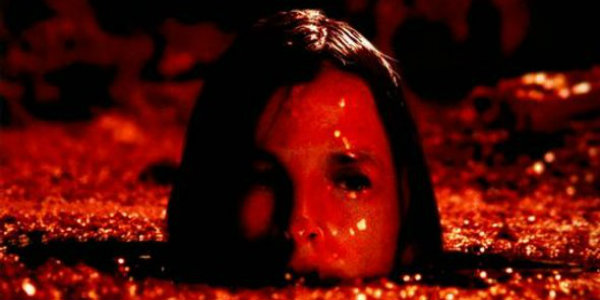 New, yes. But surely destined to become a classic. The Descent is relentless in a way that almost none of the films on this list can match, kickstarting about a third of the way into the film and never letting up until the credits roll. Neil Marshalls film focuses on a group of female cave divers who find themselves trapped in an unknown cavern, battling viscious, subhuman lifeforms. It can certainly be read as one of the more feminist horror films of recent years, with the women battling creatures that look distinctly male, but regardless of what you want to read into it, its an intense ride that pulls no punches as it barrels forward. If you only saw it in American theaters, make sure you rent it so that you can see the original, unabridged ending, which makes much more sense and is far more affecting than the ending shown in American theaters.
7. Nosferatu (1922)
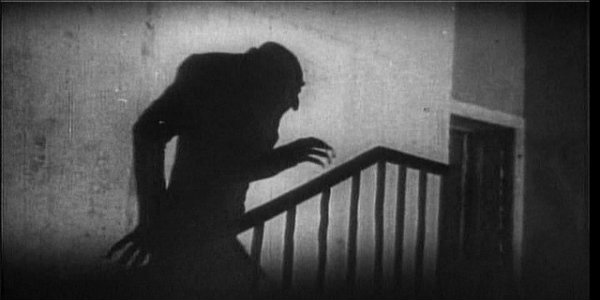 F.W. Murnaus classic doesnt have the kind of scares that make you jump or keep you up late at night. What it does have is mood, texture, and tone, and it has all three of those in spades. An unofficial adaptation of Bram Stokers Dracula (the rights to the novel couldnt be secured), Nosferatu stars Max Schreck as Dracula stand-in Count Orlok, a long fingered, slim faced and well fanged creature trying to move to new stalking grounds. Murnau makes the most of Orloks malformed figure, casting shadows of him along the walls and streets throughout the film, making him seem even more monstrous, almost omnipresent throughout the picture. It wont scare you in familiar ways, but its unsettling, black and white imagery can still prove haunting. Werner Herzogs 1979 remake isnt half bad, either.
6. The Silence of the Lambs (1991)
 Another film, like Se7en, which is debatably a thriller or suspense film rather than outright horror. This is where my authors right of subjective decision making comes in. Jonathan Demmes manhunt for a abducting, flesh-skinning serial killer simply has to be horror in my mind, and one of the best ever examples of it committed to film. That The Silence of the Lambs was only the third ever film to take home the Big 5 Oscars - Best Picture, Director, Actor, Actress and Screenplay - is one thing; what really sticks out about the film is the way it invades our minds psychologically. Hannibal Lecter, one of cinemas all time greatest characters, gets into our heads in the same way that he gets into Jodie Fosters. Over the course of the film he is so many different things: killer, charming, caring, manipulative, possible hero, and monster. The Silence of the Lambs forces us to think about the ethics of using evil to stop evil, and while it may seem like an easy choice at the outset, by the films end we realize its larger implications. An involving mystery, an unforgettable set of characters, and phenomenal performances all around, The Silence of the Lambs is as classic as they come.
5. Alien (1979)
 A professor once described Alien to me as the best haunted house movie ever made. He may be right. The Nostromo is nothing more than a large, looming manor, full of tight, winding hallways, dripping pipes, and secret crawlspaces. The Alien, of course, is the haunter, hunting down the ships seven member crew one by one after sneaking aboard in one of their bellies. Theres a touch of Kubricks 2001 here too, as the ships onboard control computer, Mother, seems to have a hidden agenda that may not be in the best interest of its crew. The imagery is forthright to a point where it can hardly be called subtext. Ripley (Sigourney Weaver), one of two women (and the only commanding one) in an all male crew, is eventually left to do battle with a creature that is essentially a walking phallus, a being that infiltrates the crew by having its egg forced down the throat of a crew member. The film is ripe with monstrous images that reveal a fear of sex, rape especially. Ridley Scotts film uses darkness, misdirection, and ambience perfectly to help build up its horror. We think we see the creature in every corner, every crevice of the ship. Screenwriter Dan OBannon created two of horror and sci-fis most enduring characters with Ripley and her alien adversary, a "perfect life form", according to one of the ships crew. Alien spawned one great sequel (Aliens) and two less than stellar ones, along with spin-offs and last summers sort-of prequel, Prometheus. But the original stands above all the rest, a perfect blend of industrial science fiction and horror.
4. Psycho (1960)
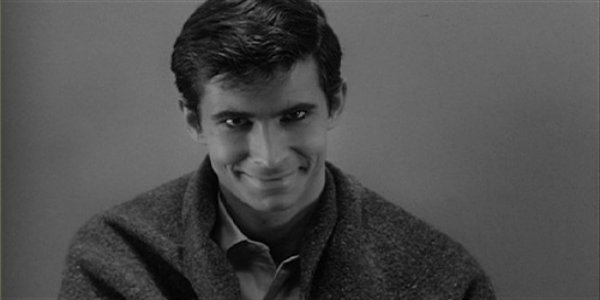 There have been studies, thesis papers, and books written about Alfred Hitchcocks 1960 masterpiece. Some have called it the movie that taught audiences to love murder. Others fawn over its creative plot structure, disposal of the apparent main character, and brilliant turn by Anthony Perkins as a mothers boy with several dark secrets. The real beauty of Hitchcocks film is how it balances horror with mystery, so that even when were disturbed, were still hooked on finding out whats really going on. That he could balance these two factors so well doesnt come as a surprise; by the time he made Psycho Hitchcock had already been established as a proven master of suspense and mystery, able to play audiences like a piano with the way he created and suspended tension and drama. In Psycho he dipped into all out horror, but took along all of the tools he already possessed to create a film that was on one hand different from his previous work, but on the other hand still very much a Hitchcock picture. And then we have Perkins. Has there ever been a better face, at once appearing hopelessly innocent yet twitching with anxiousness, to portray a fractured mind? His every movement is on point, his voice full of eerie, forced calm. Looking at him, we see not a monster but a man, which may be all the more frightening.
3. The Texas Chain Saw Massacre (1974)
 There have been sequels and remakes with more gore, bigger budgets, higher body counts and better actors, but much like Night of the Living Dead, Tobe Hoopers original Texas Chain Saw Massacre goes further than the films that followed it despite having less resources at its disposal. The key to The Texas Chain Saw Massacres effectiveness is its texture. The whole film feels sweaty, uncomfortable, a perfect reflection of the setting and its surroundings. From the outset things dont seem right. The camera hovers far too long on a herd of cows. We see a decomposing body; a dead armadillo by the side of the road. What Hooper is feeding us are images of meat, and by the time we meet Leatherface and his family, we realize that we too arent much more to some than the meat on our bones, animals for consumption. The Texas Chain Saw Massacre is violent, but not overtly gory. Even the worst scene, the infamous meat hook, isnt especially bloody. What is affecting about the film is how uncanny it feels, the inherent feeling of wrongness that the picture carries with it. Weve entered a world with people so crazy that they may not even realize something is wrong with them, where a group of young travelers is nothing more than the next meal for a hungry family, and where even if someone escapes, theres no reassurance that the evil will ever be defeated or dealt with.
2. Halloween (1978)
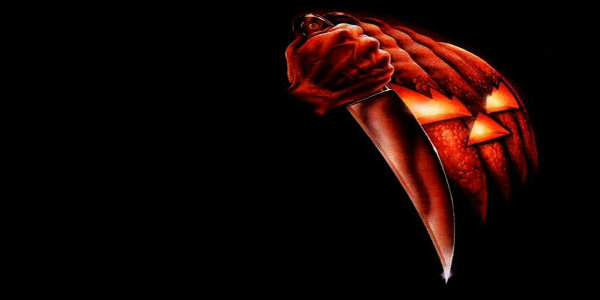
 Of the 50 films on this list, John Carpenters Halloween is the most perfectly structured. From its long, POV opening to its final shots, every beat is played exactly as it needs to be. Carpenter knows when to cut away and when to leave a shot rolling, when to show and when to imply, and how to use framing and editing to ratchet up the feelings of tension without ever showing us a thing. Carpenter shoots Halloween as a slowly shrinking film, one that tightens around us. It starts off with long, deep shots of a small town, and then gradually moves into smaller and smaller shots and spaces until were finally hiding in a closet at the films climax, trying to catch our breath. Equally important is the use of music. Carpenter scored the film himself, and while the opening theme remains the most famous piece from Halloween, the music used during different interludes, build ups, and chases are just as vital. Halloween is a film where the music does more than just work with the footage, its actually vital in driving the film forward and creating the overarching mood of terror that looms over it the picture as a whole. And then there is Michael Myers. He never speaks and never runs, creating a model copied by other slashers for years to come. What makes him so effective is not only the blank, emotionless mask that covers his face, but his lack of motive. He is, simply, evil. There is no rhyme or reason to why hes doing what hes doing, he kills because that is who he is. In later films, of course, all of this would be explained, and the rationale for Michaels vendetta against the little town of Haddonfield would be revealed. But while this may have satisfied some viewers, it weakened his overall character. Motiveless, he was pure, unclouded. A force of nature more than a man. A real bogeyman.
1. The Exorcist (1973)
 I think the point is to make us despair. To see ourselves as animal and ugly. To make us reject the possibility that God could love us. It isnt the structured perfectly; in fact, many of the scenes feel like they jump too quickly into the next one. The plot seems to advance far too fast in the beginning. The ending resolves the story, but not in the way we want or hope for. And yet, it does what all good horror films should: it forces us, in our humanity, to confront true darkness. To see if we can reconcile evils existence. To see if we can overcome it. The Exorcist pits three main characters against the demon that has taken up residence in young Regan MacNeil (Linda Blair). The first is her mother, an actress, Chris (Ellen Burstyn), a nonbeliever who turns first to scientists and doctors to try to cure her little girl. Then there is Father Merrin (Max von Sydow), a dutiful believer who knows his responsibilities to the church and to his God, and fights against the demon without worry for his personal well being even though he knows the exorcism may well kill him due to his poor health. In between the two of them is Father Karras (Jason Miller), a Jesuit psychiatrist whose faith is breaking following the death of his mother. He assists Chris first as a doctor, but slowly finds Regans case to be a true battle with his shaking faith, whether he wants to admit it or not. Were likely to find ourselves in one of these three characters. We may be believers in something outside of this world, we may not be. We may be like Karras, unsure of where we stand, wanting to believe in something yet finding ourselves unable to. The Exorcist is a great horror film because it shows us how we, no matter who we are, confront an ultimate form of evil. Regardless of what we believe, it must be challenged, must be fought, no matter the cost to us.
 I said in the opening to this article that the horror that affects us most is almost always tied to our own personal fears and experiences. I cannot deny the fact that my personal belief in The Exorcist as the most essential, and potentially most frightening horror film of all time is rooted, or at least influenced, by the fact that I had a very religious, specifically Catholic, upbringing. I dont know if this film, or any of the films on this list, would affect me differently if my personal experiences and life outside of the movies was any different than the one that Ive had. How can anyone know such things? Yet, this is the film that, to me, embodies the idea of horror the best, that holds up over and over again over repeated views. The film that never seems to shrink in its horror, that even today can feel shocking and frightening despite how many years have past, despite how many other things horror films have showed us since. Horror is the genre where we most directly come in contact the idea of evil, where we see that it exists in the world around us, that it oftentimes strikes without warning or reason, and that sometimes cannot be defeated. All of the films on this list, even the ones that are enjoyable and fun, force an interaction with these ideas. They pit us against our deepest, darkest fears from the safety of a theater or living room, and even if they dont allow us to conquer or resolve those fears, the confrontation itself is still important in that it at least forces us to think about these things, to perhaps rearrange our concepts of evil and fear. The Exorcist, more than any other horror film, forces this confrontation. It asks us to stare unblinkingly at an unthinkable, uncompromising evil, and try to deal with it. Because of that, it is the most essential of all horror films. Again, different films affect and frighten different people in different ways, and the rankings on this list are, of course, completely arbitrary. Feel free to comment with your favorite horror films, along with the films that I either forgot or left off this list.