20 Most Criminally Underrated Movies Since 2000

11. Eagle Vs. Shark

Fans of the cult comedy TV series Flight Of The Conchords will be more than familiar with one of the stars of Eagle Vs. Shark - Jemaine Clements, who plays the geeky video games obsessive and all-round weirdo Jarrod, was one half of the Conchords music duo alongside Brett McKenzie. Many US critics made comparisons with Napoleon Dynamite and said that Eagle Vs. Shark emerged the inferior of the two, but the film is in its way so culturally distinct that such comparisons are inappropriate. Eagle Vs. Shark is witty and silly in equal measure, and certainly deserved to ear far more than the paltry $1.2 million it made at the box office. Clements' latest collaboration with director Taika Waititi, the recently released What We Do In The Shadows, is a better film in many ways - it's to be hoped that it doesn't meet the same fate as the underrated and underseen Eagle Vs. Shark.

10. Spider

Having established himself as the pre-eminent peddler of body horror, David Cronenberg has more recently taken, if not a U-turn, then certainly a deviation into the realm of satire with his latest films Cosmopolis and Maps To The Stars. In the early 2000s Cronenberg also tackled the gangster genre with Eastern Promises and A History Of Violence, but the real underrated entry from this era was undoubtedly Spider. Starring Ralph Fiennes, this was a strange yet compelling psychological thriller about a mentally disturbed man returning to the community and living in a halfway house. Considerably downplayed compared to much of Cronenberg's other films, Spider premiered at Cannes then sank into obscurity - diehard fans may have lauded the film, but beyond this few are aware of its existence.

9. Zodiac

Recently David Fincher might have somewhat inexplicably chosen to focus on adapting what are ostensibly airport shelf fillers - the kind of paperback thrillers read by countless holiday makers on planes and beaches - but his earlier work demonstrated a more unconventional approach to genre filmmaking. Zodiac, starring Jake Gyllenhaal, Mark Ruffalo and Robert Downey Jr. as three men caught up in the investigation of the eponymous real life serial kiler, is certainly one of his most formally daring movies. After all, the killer was never caught, so the neat resolution audiences often demand from such thrillers is impossible to deliver. Instead, Zodiac works as an intricate procedural in which the obsessions of the investigators takes precedence over the vile crimes of the killer. Unsurprisingly, such an unconventional approach to structure was appreciated by critics and Fincher's film picked up a decent share of awards nominations, but when it came to the box office it wasn't long before it lost out to 300 and Wild Hogs. It's perhaps his most mature movie yet, which may explain why mainstream audiences weren't in a rush to see it.

8. The Proposition

Legendary musician Nick Cave came to prominent attention last year with the release of his documentary 20,000 Days On Earth. This wasn't the first time Cave's influence made itself felt on the big screen - back in 2005 he wrote both the screenplay and soundtrack to the John Hillcoat-directed The Proposition. Starring Ray Winstone and Guy Pearce, The Proposition is a Western in all but setting. Taking place in the Australian outback it tells of a group of murderous outlaws the Burns brothers gang and their conflict with the authorities, headed by Captain Stanley (Winstone). Harsh, brutal and paradoxically often beautiful to look at, it's a real gem of a movie with some truly exceptional performances. Despite its positive reception from critics the best The Proposition could muster at the US box office listings was a ranking of 46 in the charts, and in the years since can barely be considered even a cult movie, a status it more than deserves.

7. Broken Flowers

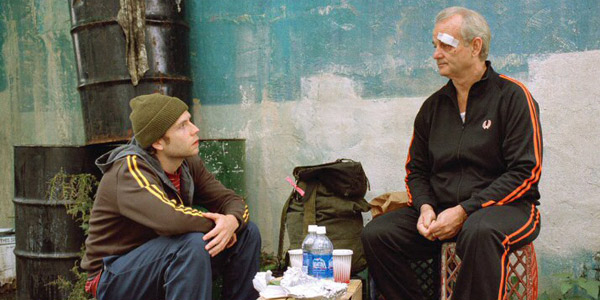
Everyone loves Bill Murray. Whether it was his run of hit comedies in the '80s and early '90s, including Ghostbusters, Groundhog Day and What About Bob?, or his late career revival in the 2000s onwards, he's one of the best-loved actors working in Hollywood today. His career revival perhaps owes more to American independent cinema than it does the large studios, with his long-standing collaboration with Wes Anderson standing out above the crowd. Broken Flowers is a notably subtler affair, with Murray playing an ageing Lothario type who discovers he may have a long lost son. Part road movie, part late life existential crisis, it's a predictably enigmatic film coming from American auteur Jim Jarmusch. Like Sophia Coppola's Lost In Translation, Broken Flowers rarely features a shot in which Murray isn't in it and he delivers a largely deadpan performance. Unfortunately, while his acting is every bit as good here, no Best Actor Academy Award nominations were forthcoming and the film failed to reach the wide audience it deserved.

6. Ghost In The Shell 2: Innocence

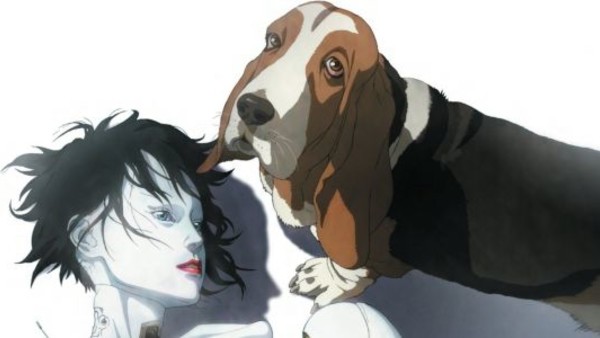
To this day, the original Ghost In The Shell movie is rightly lauded as one of the greatest examples of anime outside the family-friendly Ghibli ouevre. It's a visually stunning work of animation with a complex, mature approach to the philosophical subtexts revolving around the nature of consciousness and the insidious effect of technology on society and culture. Ghost In The Shell 2: Innocence continues the philosophical probity and ups the ante in the visuals stakes, taking off from where the first film ended with policeman Batou teaming up with Togusa as they investigate malfunctioning, murderous sex-doll robots. Innocence features some truly exceptional imagery, the cityscapes and the cyborgs which inhabit it are brought vividly to life. Yet critics lambasted the film for its alleged pretentiousness and it failed to even make back half of its budget. Certainly, the wealth and breadth of ideas on display are daunting - everything from Buddha and the Old Testament through to Plato and Richard Dawkins gets thrown into the mix in one way or another - but repeated viewings tease out these strands and connect them in a far more coherent manner than many critics would claim. Innocence sank into relative obscurity when it really should have joined the previous installment in the limelight.

5. The House Of The Devil

Most of the horror releases over the last couple of decades have been disaappointing, to say the least - endless remakes and sequels and "original" properties which do little to subvert genre expectations have been the staple for many studios, filling out their low budget quota with predictable fare. While The House Of The Devil may not sound like anything groundbreaking on paper - the babysitter working for a mysterious family premise sounds like a template for countless films which preceded it - the execution puts this on a pedestal above most of its competitors. Director Ti West somehow managed to perfectly blend an appreciation of the nostalgia for movies like Rosemary's Baby and other demonic possession films, yet at the same time put his own distinct stamp on it. The fact that this wasn't appreciated by anything approaching a wide audience is painfully apparent in the box office takings - The House Of The Devil made a paltry $101,000 at the box office.

4. Mary And Max

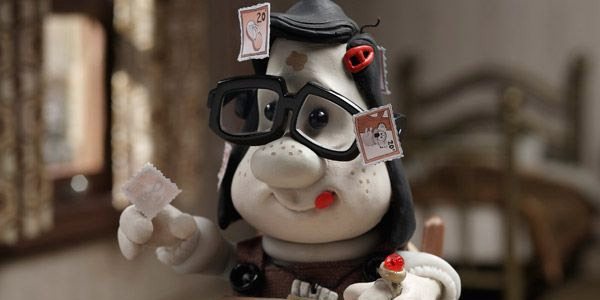
It's always refreshing when a filmmaker takes a particular style and subverts audience expectations, delivering something completely unexpected. At first glance, you'd be forgiven for thinking that Mary And Max is a family-friendly movie along the lines of Wallace And Gromit. That couldn't be further from the truth - everything from Asperger's and anxiety through to depression and suicide is covered in Mary And Max, and yet it never sinks into the depths of miserablism its premise might suggest. Rather, the story of a young Australian girl becoming pen friends with a lonely man in New York is frequently amusing and ultimately incredibly touching. Toni Collette and the late Phillip Seymour Hoffman deliver superb voice acting but writer-director Adam Elliot deserves the most credit for serving up such a compelling world of fleshed out characters. Unfortunately, Mary And Max recouped only a fraction of its budget, so similarly challenging stop motion animated movies aren't likely to be hitting cinemas any time soon.

3. Kill List

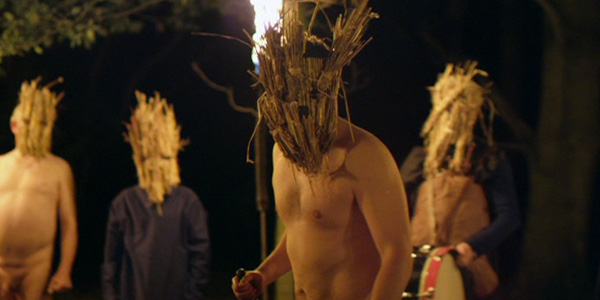
Whereas The House Of The Devil took the Satanic Panic movies of the '60s and '70s as its inspiration, Kill List looks across a wider spectrum of cinema and offers a smorgasbord of genre nods ranging from domestic drama to strange, all-powerful cults. A film that divided critics unlike any other recent horror film that springs to mind, Kill List opens with a dinner party scene which could have been pulled from a Mike Leigh movie and ends with a nightmarish scenario which has rightly been compared to The Wicker Man. Director Ben Wheatley fills in the gap between these genre-hopping bookmarks with a central act that feels more like a conspiracy thriller - albeit a very dark one - than a horror movie. Kill List only made back half of its tiny $800,000 budget, a terrible state of affairs for one of the bravest and most challenging horror movies of the 21st century. But at least opinion seems to be swerving in its favour - if you can forgive the pun, Kill List finally appears to be gathering something of a cult following.

2. Hulk

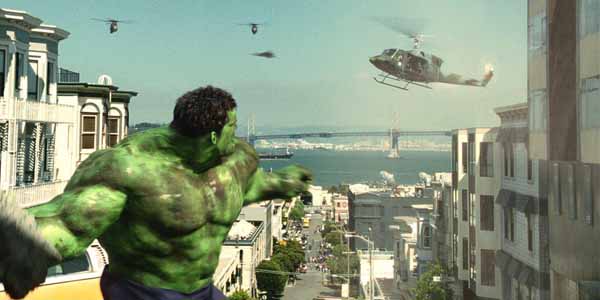
If any comic book adaptation can be said to have thoroughly polarized both critics and audiences alike, then Ang Lee's 2003 Hulk is that movie. Widely considered to be one of the most forgettable comic book movies, many fans dismiss it as a badly-judged mistake. Yet the aspects of Lee's Hulk which are often cited as its downsides - the emphasis on character development and the psychology of the Hulk; the comparative lack of action when held up against other comic book franchise movies - are Hulk's real strengths. Ang Lee failed to get anything like the credit he deserved for challenging the conventions of the genre, and for many Hulk has plunged into the cinematic memory hole. While Hulk may be the most controversial entry on this list for some readers, nevertheless a new appraisal of what it got right is long overdue. The Edward Norton reboot inexplicably performed better at the box office, perhaps proving that mindless action sequences are really what Hulk fans are looking for in movie adaptations of the comic.

Contributor
Contributor

Andrew Dilks hasn't written a bio just yet, but if they had... it would appear here.