20 Hidden Sci-Fi Movie Gems You Can Watch On Netflix
Netflix and... thrill?
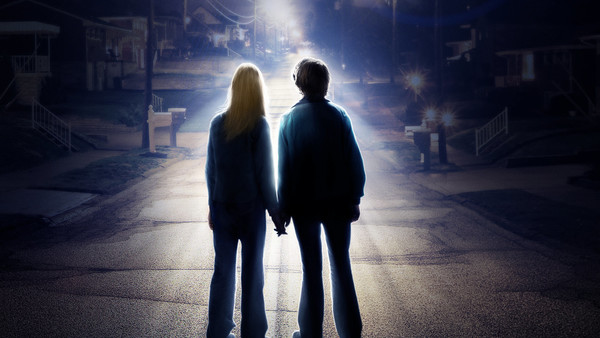
Netflix categories are always a mixed bag, and 'Sci-Fi and Fantasy' is no exception. Ranging from genre classics to lowest-common-denominator trash, the section comprises a huge selection of titles, from the early days of cinema right up to the present. Choosing a Netflix film to watch is a laborious process at the best of times, and the task is made harder when the category at hand is so vast - and harder still when the category is sci-fi, which more so than any other appears to produce the biggest amount of jetsam.
Such is the popularity of science fiction, though, which is next to horror as probably the most popular film genre of all time (though probably both are behind comic book films at present). Luckily, this article compiles a list of 20 of the very best diamonds in the Netflix rough - with the only criteria being that they need to appear in the 'Sci-Fi and Fantasy' section of the site, and that they not be obvious classics (so no 2001, no Terminator 2) - and here they are for your enjoyment.
Note: This list adheres to the US version of Netflix.
20. Primer

Former software engineer Shane Carruth's debut film as both an actor and director, Primer is a dense, complex, original contraption, clocking in at just over an hour and made for next to nothing (est. $7,000). The plot, which concerns four budding entrepreneur friends at war over their stumbled upon means of time travel, makes no concessions to the audience, and Carruth refuses to reduce the plot into simpler, more viewer friendly terms. This makes for that rare sci-fi film which prizes intelligence and ideals over story and spectacle.
The film, a true indie in every sense of the word, was directed, written, produced, edited and scored by Carruth, and has gained a sizeable cult following since its release in 2004 (along with its director, who will appear again later on in this list).
19. Limitless

The first film that properly established Bradley Cooper as a movie star outside of The Hangover world (the year after this, Silver Linings Playbook would begin his run of three Lead Actor Oscar nominations in a row - the others coming for American Hustle and American Sniper), Limitless is a brisk, well paced sci-fi thriller which, while never likely to be a classic, probably deserves a better reputation in regard to sci-fi of the last half decade or so. Cooper is Eddie Mora, a struggling writer who, with the help of a strange pill, becomes able to access 100% of his brain's potential.
From there, it's a bestseller followed by financial wizardry and on to a run for the United States senate, all the while experiencing hallucinations and blackouts which jeopardise his safety. Notable for not only Copper's star-turn, Limitless also contains one of Robert De Niro's only decent performances of recent years, in a small but effective turn as finance tycoon, Carl Van Loon.
18. Ghost In The Shell

Based on the Masamune Shirow manga of the same name, Ghost In The Shell is one of the most influential sci-fi - not to mention animated - films of all time. The Wachowski's famously showed it to producer Joel Silver with something along the lines of "we want to make this for real", and their sci-fi classic, The Matrix, is heavily indebted to Shell, most notably in the film's use of digital rain, which comes from Ghost in the Shell's opening credits.
The film is often praised heavily for its positive gender politics, and the plot, which sees a female cop and her partner track a mysterious hacker, feels prescient. Shell's enduring legacy looks set to continue, with Scarlet Johansson set to take the lead role of Motoko Kusunagi in the slated 2017 release of Hollywood's no-doubt big budget take on the anime.
17. Donnie Darko
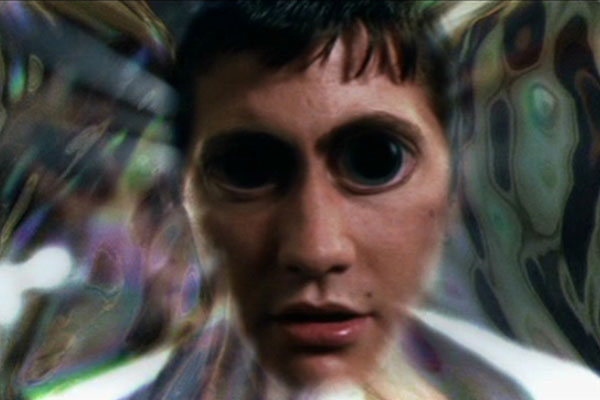
Another completely cult film, Donnie Darko launched the career of star Jake Gyllenhaal, who now enjoys life in the upper-echelons of great contemporary actors. After narrowly escaping a freak accident, Gyllenhaal's eponymous character is continually visited by figure in a giant rabbit costume.
The rabbit, who calls himself Frank, influences Donnie greatly, and thus his (Donnie's) behaviour becomes increasingly troublesome and bizarre. Passed off as "daylight-hallucinations", it's not until the film's madcap finale that we discover the truth, which is just as weird as the rest of the film.
Director Richard Kelly's follow-up film to this (Southland Tales) flopped massively, and he has virtually disappeared since his last film, The Box (2009), ensuring that this beguiling picture - for which he released a director's cut in 2004 - is his one and only contribution to the sci-fi canon.
16. Stake Land

Stake Land is more an apocalyptic-vampire-survival film than it is sci-fi, one in the vein of Dawn Of The Dead, or The Walking Dead, or even Zombieland; but it has definite sci-fi elements, and is in the sci-fi section on Netflix (so it counts), and sci-fi and the monster movie movie genre are so closely related anyway that it really doesn't matter.
The result is an atmospheric, well-made film, one that generally pleased audiences and critics alike but has since slipped under the radar a bit. Shame, because Stake Land has a great visual style (something taken for granted too often these days), and director Jim Mickle makes the wise decision of focusing on a handful of fully fleshed out characters, ensuring that nothing feels superfluous.
Unfairly equivocated with John Hillcoat's similar, superior The Road (released a couple of years prior), Stake Land deserves a revival on its own merits, and the success of a show like The Walking Dead should encourage more people to check it out.
15. Invasion Of The Body Snatchers

Legendary film critic Pauline Kael stated that this remake of Don Siegel's 1956 film of the same name (both are based on The Body Snatchers, a Sci-Fi novel by Jack Finney) "might be the best of it's kind ever made". That's high praise indeed, and Philip Kaufman's version certainly surpasses the original, to the point where it's often cited as one of the greatest film remakes ever made. Still, it's not perceived as a true classic in the vein of something like 2001: A Space Odyssey (also streaming on Netflix) or Blade Runner, so it has to go down as a hidden gem.
The story, which has been replicated numerous times, most recently in Edgar Wright's The World's End, envisions a world where human beings are replaced by duplicate aliens with no emotion. The ending (I won't spoil it) is one of the greatest in all of science fiction, and with a classic Donald Sutherland performance to boot (gotta love the picture above), The Invasion of the Body Snatchers is certainly one of Netflix's best sci-fi selections.
14. Advantageous
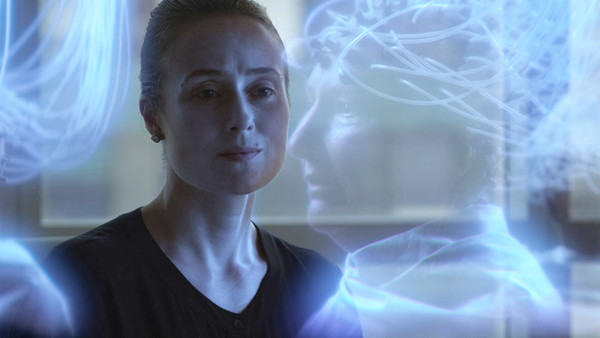
Much more of a true hidden gem is this, Jennifer Phang's Advantageous, a daring, adroit sci-fi drama released only this year in the US. It's a visually sleek experience, one which tackles age-old issues of social-class and opulence against it's technologically advanced background.
At the centre of the story are mother and daughter Gwen and Jennifer, a pair who refuse to let go of their happiness in a place of increasing economic instability.
The ending is particularly powerful (though in a different way to something like Invasion Of The Body Snatchers), and Advantageous' ruminations on issues of avarice and family set it apart from similar sci-fi fare. This one comes highly recommended.
13. Serenity

Before Joss Whedon became a monolith to comic book fans everywhere with his Avengers movies, he made this, his first feature, the plot and characters of which are based on Firefly, a short-lived Fox series created by Whedon that was cancelled mid-season and suffered the embarrassment of having some of its episodes screened out of correct order. Serenity more than makes up it.
A science fiction in the classic space-opera mode, the film sees the crew of the titular ship try and evade an assassin among the stars. Lead by cult actor Nathan Fillion, who plays the ship's captain Malcolm "Mal" reynolds, Serenity is a witty, energetic romp through familiar territory, one which attempts a 1984-esque social commentary in the process (it doesn't quite work, but the attempt is sincere).
Essential for fans of Whedon (though it's enjoyable if you're not, too) and sci-fi in general, Serenity represents one of the very best modern examples of the genre.
12. Paycheck

A peculiar one this, for Paycheck stalled the Hollywood career of a major director despite having everything going for it (on paper at least). A short story from legendary science fiction king Philip K. Dick, an all-star cast (Ben Affleck, the always great Uma Thurman, Aaron Eckhart) and legendary Hong Kong (though he was born in Southern China) director John Woo should've made for a rousing success, but the film, which is admittedly flawed in many places, was poorly received, effectively killing John Woo as a commercial filmmaker stateside in the process (he hasn't made anything of note since).
Despite this, there are things in Paycheck to admire, and the first-act in particular is fairly impressive. Affleck (in his much-maligned period of acting) and Thurman have a believable chemistry and carry the film well enough, and the bones of the story, such is the source, are promising and intriguing (the production design is also fantastic).
It's true that Paycheck loses its way, and it's by no means a classic, but it's still worth checking out, especially for Woo completists, the director having vehemently defended the picture in the DVD commentary.
11. The War Of The Worlds

The earliest picture on this list, the original film version of H. G. Welles' sci-fi masterpiece is a dazzling achievement in Technicolour, notable for its (at the time) innovative use of special effects and background drawing, which were among the greatest uses of it at that point in film history (the film won a special effects Oscar as the only nominee).
It also updates the action to a Cold War setting, an idea that works spectacularly well in hindsight. While it has obviously dated in parts, the essentials (script, idea, editing, execution) remain intact, ensuring that Byron Haskin's film still feels relevant to the sci-fi canon despite bigger adaptations down the line (see next).
10. War Of The Worlds
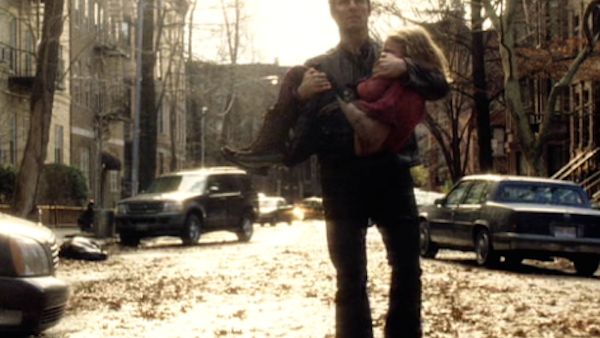
Some five decades later, Steven Spielberg would adapt the same source material for his own take on Welles' book, dropping the 'the' of the title for his War Of The Worlds, starring Tom Cruise and Dakota Fanning. Coming in the same year as his masterful Munich, Spielberg was on a high (a jackpot year to rival Jean-Luc Godard's 1968 - in which he released La Chinoise and Weekend - according to ardent Spielberg supporter, Armond White), and War Of The Worlds contains all the classic Speilberg-in-genre-mode traits.
Not everyone holds it in high regard though, and complaints about the disappointing ending and a miscast Tim Robbins (as an eccentric survivalist) often prevent it from ending up in the top rank of the director's oeuvre. But War Of The Worlds is worth it for the special effects alone, which still serve as the pinnacle of the alien-invasion movie monster league. It's also beautifully shot by Spielberg's regular director of photography, Janusz Kaminski, who captures the apocalyptic wreckage better than anyone else in the (sub) genre.
9. Super 8

Steven Spielberg's mark is all over Super 8, too (he produced it), and its director is commonly referred to - in a move that serves nobody - as the "next Spielberg". But J. J. Abrams, of Lost and Star Trek and future Star Wars fame, has his own style and personality, shown effectively here in this nostalgic yarn in which a group of friends witness a train crash in their small town and, with the help of the titular method, film and investigate the strange events that succeed it.
Rather than scenes of incessant action, Abrams fills the film with classic early-adolescent inquisitiveness, evoking a time when, as with the Super 8 technology, the best thrills were made of simpler stuff, like efficient storytelling and characters you could believe in. That "next Spielberg" moniker may not be helpful to J.J. Abrams, but it certainly has basis, and at times it feels like Super 8 could be an early Spielberg classic. It doesn't quite attain that status, but it damn well tries.
8. Europa Report

This ultra-low budget (est. $23,000) space-missioner has hints of Moon and Gravity about it, and also counts a few choice actors (Michael Nyqvist of the original The Girl With The Dragon Tattoo series and Isiah 'Clay Davis' Whitlock Jr. to name two) among its crew of astronauts searching for life on one of Jupiter's gargantuan moons.
There's a found-footage vibe to Europa Report, and though that particular sub-genre has been done to death in recent years, the low-budget aesthetic and small cast of characters fit well into the mode, and Report is a genuinely suspenseful, albeit slow-burning sci-fi thriller.
Naturally, there are nods to 2001 and Alien (among others), but the film generally feels fresh and alive, with a nice element of some actual science going on as well. It marks one of the better sci-fi efforts of recent years, receiving mostly favourable reviews from critics and scientists alike.
7. In Your Eyes
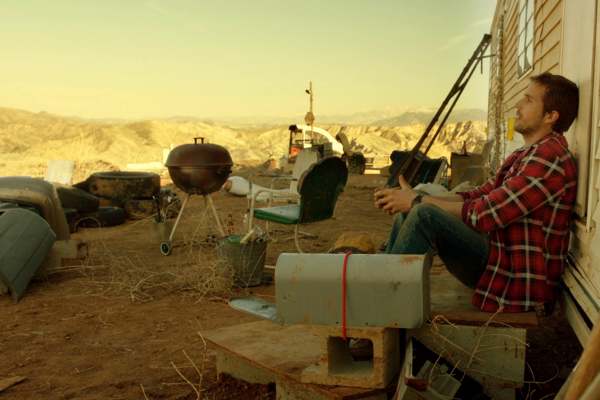
Joss Whedon again here, this time taking on writing duties for paranormal romance, In Your Eyes. The film, which sees Zoe Kazan and Michael Stahl-David (respectively, as Rebecca and Dylan) as lovers who can feel, hear, and share experiences through telepathic methods, forewent theatrical release and was instead self-distributed online after it's world premiere at the 2014 Tribeca Film Festival.
The film never really evolves past its teen-romance trappings, but, within that framework - and with the added sci-fi elements - Brin Hill's film is a satisfying, Whedon-lite experience, and a nice, slim alternative to the Avengers director's bloated (albeit thoroughly enjoyable) superhero excursions.
6. Pi
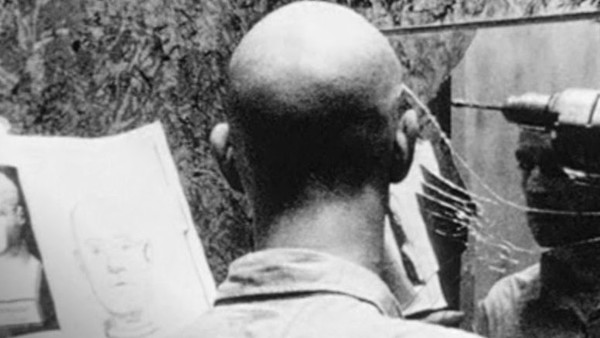
More a paranoid thriller than it is traditional Science Fiction - though perfectly acceptable re the criterion of being in the sci-fi section of Netflix, and because it's about maths and physics, science's obvious sisters -Darren Aronofsky's Pi (the director's first feature film) is a study in genius and the idea of mental obsession, with Sean Gullette playing the balding, brilliant Maximillian Cohen, a man who believes that mathematics is the key to everything in the universe, from stock markets to weather, baseball to God.
Shot in rough monochrome, Aronofsky's debut is the first in a filmography defined by obsessed characters: Mickey Rourke's Randy 'The Ram' Jackson in The Wrestler, Natalie Portman's perfectionist ballerina in Black Swan, Russell Crowe's Noah in the film of the same name.
Not the most obvious science fiction film on this list, Pi is a genre great regardless, showing us - by way of the things that fuse us to the universe - that a film doesn't have to be about a certain genre to be of it.
5. LFO
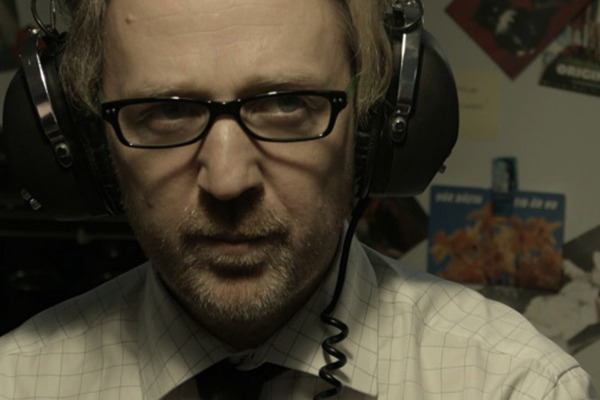
An entry not only into the sci-fi canon but into the single location film canon as well, LFO is a pitch black sci-fi comedy/drama from Swedish director Antonio Tublen, whose film here was one of the standouts at Sci-Fi-London 2014.
Centering around a sound technician's (Patrik Karlson's Robert) realisation that he can hypnotise and influence people by emitting a low frequency noise, LFO turns Robert's discovery from a playful experiment (he initially uses his neighbours as unsuspecting lab rats) into a fully-fledged God complex, with Robert becoming increasingly self-aware that what he's doing is wrong without being able to stop.
The end is tough, uncompromising, and bleak, but not without hope. A nod too, to the film's poster, which is one of the best in recent memory and has a brilliant take on the classic Vertigo design of Saul Bass.
4. Mimic
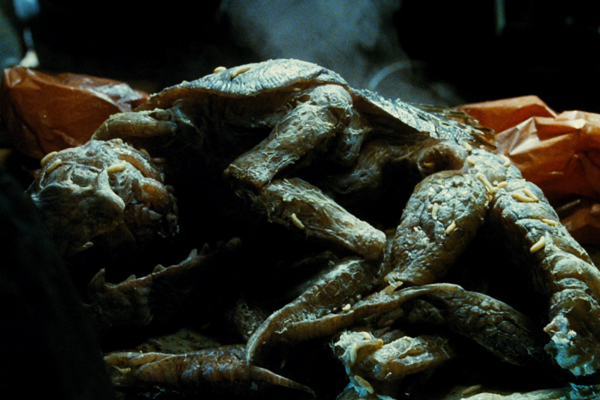
Virtuoso Mexican director Guillermo Del Toro's first foray into American cinema came here, with his 1997 creature-feature, Mimic. Del Toro wasn't happy with the finished product (he didn't get final cut), and has distanced himself from the film as released in '97 (though he did finally release a director's cut of the film in 2011), and from its subsequent sequels (also on Netflix), of which he had no involvement.
But a painterly director as Del Toro (whose most well-known film is Pan's Labyrinth, but whose best is the masterful Devil's Backbone) was always going to produce something different, and while the film is deeply flawed and pretty formulaic, it's also beautifully textured and shot, with Del Toro creating the sort of mood and atmosphere we've now come to expect from him.
3. Snowpiercer

Bong Joon-Ho's visionary Snowpiercer, starring Chris Evans as a leader of the less-privileged on a train where a class-system has emerged (those on the train are earth's last survivors after a failed climate-change experiment), marks the director's English language debut, and he'll do well to ever better it.
Based on French graphic novel La Transperceniege, the film is an enthralling experience, as much about action and spectacle as it is class welfare and trickle down wealth economics. It is also surely one of the most thrillingly directed sci-fi films in recent memory - with a couple of All Time Great set-pieces to boot - marking Bong Joon-Ho as a definite auteur in the process.
The cast, including an as-always unrecognisable Tilda Swinton, are to a person brilliant, and the final shot (which I again won't spoil) is one of the most evocative, transcendent images in any film of the last decade.
2. Upstream Colour

Shane Carruth's follow up to Primer is this, 2013's Upstream Colour, a beautiful, sensual, expressive mediation on love and identity. Part thriller, part sci-fi drama, part everything else, the film is truly hard to pin down or even describe, such is its artistic flair, poise, and shifting form.
Carruth again directs, stars, produces, edits, designs, co-writes and composes the film, ensuring that this is his own entirely unique vision. Upstream Colour is, like Primer, deliberately obscure, and Carruth shades the film with lashings of lush, ponderous mystery.
This is bound to annoy cinema-goers who long for the "answers" to films (an idiotic exercise for the most part), but Colour adheres to the idea that most of life's great questions are unanswerable, and thus it attains a sense of transient beauty, an ethereal quality that only belongs to the greatest of sci-fi creations.
1. Gattaca

I mean no hyperbole when I proclaim that Gattaca is one of the greatest sci-fi films ever made (and certainly the most underrated), falling short of only true masterpieces like 2001: A Space Odyssey and Alien. But Andrew Niccol's films stands head and shoulders above most other sci-fi in every regard.
In a film truly about details, Ethan Hawke, Jude Law, and Uma Thurman star in a tale about genetics and impostors (I won't explain the plot, not because it's necessary complex or even wholly original, but because it really is best to go into Gattaca knowing as little about it as possible), all putting in great turns in a film that is far from the most famous thing on their respective CVs. But it's those details that stand out most: The way gene traitors have a derogatory knickname you can easily imagine being a thing if the situation ever occurred in real life; the set-design, which updates old Brutalist architecture and makes it look like space-age technology; the great lines, like "we managed to get discrimination down to a science", or "for future information, right handed man don't hold it with their left", a quote which is humourous without the context and immaculate within it.
Gattaca is sci-fi by way of Hitchcock, both in its story of fakers and imposers, and in its levels of suspense, which are demonstrated in three or four key scenes of real white-knuckle, edge-of-your-seat tension. This is a classic film, a near-masterpiece, a strikingly preserved gem of Science Fiction cinema and one of the best you'll find on Netflix. Any other Netflix gems we missed? Share any glaring omissions down in the comments.