10 Things You Just Have To Accept About The Amazing Spider-Man Reboot

Are these films getting more hate than they're worth?
Rarely has so much hate been foisted upon a beloved franchise as that of the recent incarnation of Spider-Man. It€™s a given that any reboot is going to be met with apprehension before the first still of footage is leaked. The Dark Knight Saga had it easy; all it had to follow was Joel Schumacher€™s ode to gay camp via spandex vigilantes. Marc Webb€™s Amazing Spider-Man, on the other hand, had to follow an astonishingly lucrative trilogy that was beloved by critic and fan alike. Never mind how bloody awful many found the third instalment (which had its own charm in a way), the first two films were fresh enough in our minds to liken a reboot so soon to a film noir femme fatale eloping with a lover shortly after her hubby€™s death: it put us all ill at ease. Imagine our collective surprise at how much we enjoyed the first Amazing Spider-Man, then. Sure, there were some detractors exclaiming this wasn€™t the real Peter Parker, or that they wanted Mary Jane back, or that it was rehashing an origin with which we were all-too-familiar, but it still managed to give us something new to dwell upon and so we decided to give this new variation a chance. Then came the second film, and with it, the Internet back draft of the decade. Gone was the adulation and goodwill created by the first, as audiences collectively threw up their hands (and possibly in their mouths) as they declared Amazing Spider-Man 2 the worst in the franchise. But it really wasn€™t, was it? After all, if so many people can agree they don€™t like a certain film, then why can they almost never agree on what was quite wrong with it? This Spider-Man reboot is just the most recent victim of backlash. Instead of blaring out what we didn€™t like about it and declare the whole thing garbage, why don€™t we dismantle its individual parts, those that work and those that don€™t, and accept it once and for all for what it is? Excelsior!

10. It's Going To Tell The Story Its Way
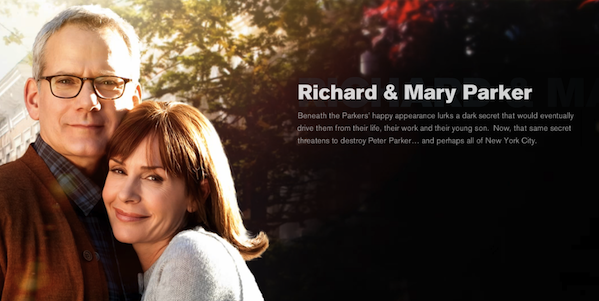
Even if we are incredibly familiar with the origin of Peter Parker and how he became Spider-Man, that doesn€™t mean the version we saw in the Raimi films is necessarily the one that fits this particular story. Yes, the essentials are all there (even his stint as a wrestler which the Webb film only paid slight homage to) but it was also written to compliment the types of characters those films comprised. The origin as written for The Amazing Spider-Man had another basis entirely, with different consequences: it involves us more directly with the underlying plot about Parker€™s parents, and reveals a new facet about the corrupt nature of OsCorp that was seeded here to be grown in future films. It is the mysterious events behind the death of his parents, rather than the reckless death of Uncle Ben, that now steers Peter toward donning the cowl. The tale is no longer centered around the tired Aesop that With Great Power Comes Great Responsibility, but a resolving of crises of identity. Without this backdrop, this Spider-Man would not have come to fruition. Through his conflict with Connors and his transformation into the Lizard, Peter delves deeper into his own conspiracy and climbs higher up the echelon of those responsible for his parents€™ deaths and his own identity. The second film played it smart by introducing Harry Osborn not as a friend with whom he has grown up, as in the Raimi trilogy, but an estranged childhood mate whom he contacts as his story demands, which happens to be the time that Harry usurps the company. Peter is no longer someone swinging around New York waiting for things to happen to him. He has initiative. He has to work towards his own conclusions this time. Which means we also have to accept€

9. This Isn't The Old Peter Parker

As it pains one to say it, this may just not be your generation€™s Peter Parker. When Maguire took the role, mainstream geekdom was still in its early stages of acceptance, meaning the traditional view of Peter Parker the outcast nerd was still applicable then and Maguire performed accordingly. But since then, nerd culture has hit a new landmark. We now live in a time when a film about Facebook became a worldwide phenomenon, and the highest grossing films of all time are based on comic books. Even beloved neurotic Sheldon Cooper rules the airlines despite all his character traits being exaggerated symptoms of Asperger€™s syndrome and bullying people with his intellect. We are finally out of the Poindexter Ghetto and have entered the shining new Nerd Age. Andrew Garfield€™s Spidey simply reflects this new epoch, since someone interested in the things Parker is would be more respected now than say, twelve years ago. This Peter Parker is more of a scientist and amateur gumshoe, developing his own web shooters and decorating his bedroom walls in a tangled web of intrigue like a character from an Oliver Stone film. You don€™t have to agree with it, but it should at least be appreciated that this is now a Peter Parker of his times. Which leads to yet another blatant realization€

8. This Isn't Sam Raimi's Spider-Man

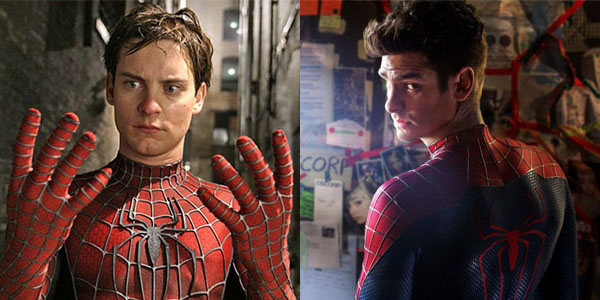
No matter what occurs in the next decade or ten, most people will continue to look upon the Sam Raimi trilogy as the definitive cinematic Spider-Man venture, and they have every right to that claim, much as people say of Tim Burton€™s one-two punch of the Batman films. But there is still plenty of room for detraction. For every glorious Bruce Campbell cameo, after all, there is a scene that seemed alright back in the day but nowadays appears cringe worthy, almost all of them dealing with the villains and their first expression of power. The films are far from timeless, and even feel dated to the early-to-mid 2000€™s based on cinematography alone; their color palettes are less living comic book and more post-Fight Club saturation. The Sam Raimi trilogy is best experienced at that Golden Age of Science Fiction, twelve years old. For those of you still young-at-heart enough to get the same joy out of these films in adulthood as you did at that age when you watched them for the first time, I salute you. But for many, they seem like the kind of films you belatedly grow out of so you can enjoy the new films for what they are rather than hanging on to any detrimental sense of nostalgia. The Raimi films are much-beloved, and only time will tell what the final status of the Webb films will be, but a comparison of the two is fair to neither. They are each for their time, with their own flaws, and the sooner we quell these arguments the better.

7. It's Had A Wonky Marketing Campaign
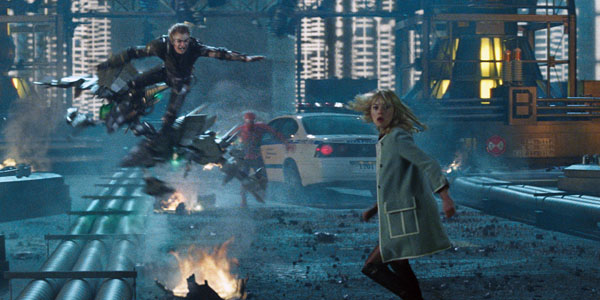
When people heard Paul Giamatti was going to play the Rhino, fandom rejoiced. When trailers teased his mammoth metallic presence, a shudder was produced down its collective spine. This could only mean the knock down drag out slugfest of the decade to put the Batman/Bane fight in its corner. Then came the film, and that tease was expanded into€well, a bigger tease, honestly. Reactions were split into guffaws or outrage or guffaws of outrage. Needless to say, fans were none amused. But misinformation was not the only crime. When the trailer revealed an image of Gwen Stacy falling in slow motion, presumably at the hands of the Green Goblin, alert fans noticed she was wearing the same attire she wore in the comics when the Goblin dropped her to her death. Had they really just telegraphed the ending twenty seconds into the preview? Surely not, we all said as we piled into the theaters, surely they were deliberately playing this gimmick to fake us out. And then, without fail, that turned out to be exactly the opposite case. For once a trailer did not lie, and it ruined the surprise for everyone. Thanks to the filmmakers€™ devotion to detail, Gwen Stacy€™s clothing was enough to give away her fate. What a cheat. And while the filmmakers themselves may not have the onus of advertisement on them, this sort of failing does cause one to turn to another shortcoming of the reboot itself€

6. It's Not Stupid-Proof

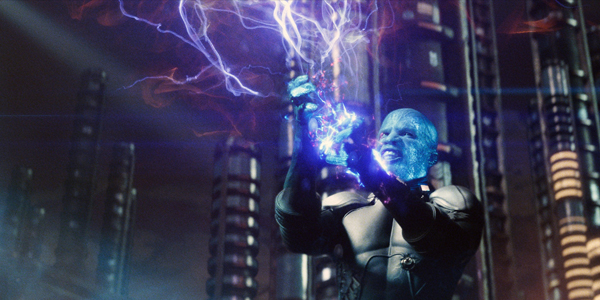
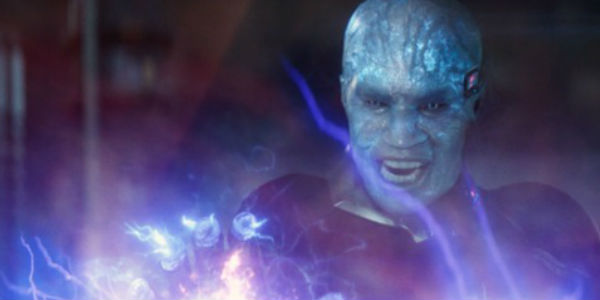
Most people just gave up when they saw Electro for the first time. But as we were to learn, that was only the beginning. Not only were fans irked at the dearth of Rhino in the film, but they were offended by what they did see: namely, a shoddy caricature of a Russian mobster. This character and performance seemed more at home in one of the more frivolous animated series than a cinematic epic. Even if it was only a cameo, it put the whole film at odds with itself. With the passage of time and the right imagination, that performance can acquire its own charm in the way John Travolta€™s Psychlo from Battlefield Earth could almost pass as a tribute to Frank Gorshin€™s Riddler from the 60€™s Batman series, or Poison Ivy-in-a-gorilla-suit from Batman & Robin could be an homage to Marlene Dietrich in The Blue Angel. It should be noted, in case anyone€™s forgotten, that no Spider-Man film to date has been stupid-proof. It almost seems part of his genetic makeup to attract sheer idiocy. We€™ve had a Green Goblin directly from the Beetleborg villain reject pile, Peter€™s emo-lesbo hair and faux-jazz swagger, Doc Ock homicidally launching a car at Peter despite needing him alive, and let€™s not forget Aunt May€™s infamous €œDeliver us from evil€ shriek. So what if this latest Harry Osborn looks a bit like the Gump from Legend after a losing battle with vampirism? At least it€™s not that hoary Venom symbiote (and were this based on the Ultimate Comics rendition, that€™s exactly what we would have gotten).

5. It May Be Trying Too Hard

It should be admitted by now that since the filmmakers did go out of their way to make a Spider-Man that wasn€™t quite for everyone, they broke the cardinal rule of Spider-Man adaptations in general: they should be for everyone. Spider-Man€™s global appeal comes from his Everyman status, the overgrown boy who has to worry about girls and paying the bills as much as saving a panicked populace from Hydra goons in Time Square. Alternately, his rank of outcast made him more relatable to the average viewer, whereas now people seem more alienated by his acceptability. Taking the spaz out of him also took away a good deal of his charm; we could feel for a guy who couldn€™t walk a straight line around a pretty girl. This Peter is just a little too€confident. He also has too many obstacles to overcome per hour. If it€™s not visions of Captain Stacey as he attempts to reconcile with Gwen, or realizing his friendship with Harry has decelerated into hostility, it€™s the unfortunate outcast Electro obliviously causing damage in Time Square (did anyone else notice his final fight in the film resembled that in the game Spider-Man 2: Enter Electro? Was that a stealth homage or just theft?). While the film did a decent job at juggling the flow of conflicts, it also distracted from the overarching plot set up in the first film. Sure, the Electro plot ties into the dangers inherent at OsCorp, but his accident and its consequences have no bearing on the primary Parker-Osborn tension, and he could have sold his blueprints to another sinister corporation down the block and come out with the same results, for a different film. Those narrative threads could have stayed severed.

4. Costumes Change

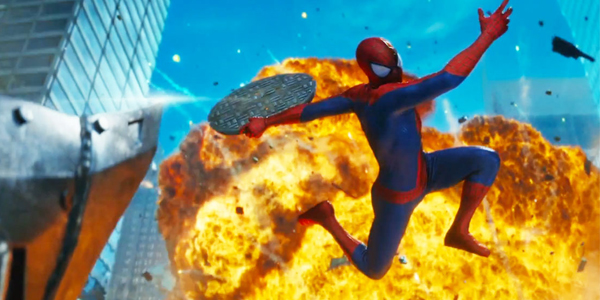
Spidey€™s duds in the first Amazing were much lauded for their authentic handmade look, exactly the kind of thing that would come from an amateur vigilante€™s ingress into the world of flashy costume sewing. But then in the second film, after a vocal minority took umbrage with the first costume, they present us with something more slick and professional, and therefore less appealing. Cue ensuing outrage. Why fix something that wasn€™t broken? But the truth is, these new threads (while also a testament to Peter€™s growth as a textile fiend) are symbolic of Spidey€™s evolution since we saw him last. He€™s become more comfortable in his role of heroic avenger of New York, and his costume reflects this stability by appearing more natural and therefore befitting of the film. He has grown into the Spider-Man persona. That costume would not have been right for the first film and vice versa, because it would not have been the right time and place; it€™s a sign of progression.

3. It Has Plenty of Room To Grow

There are now three more films on the way, a Sinister Six and Venom spin-off, and an official ASM3 after them. The potential an all-rogues gallery film affords is nigh limitless: it can be the franchise€™s anti-Avengers, an epic take on a group of disparate rough-and-tumble personalities banded together not to save the world, but to dominate it. Given the characters involved, this leaves room for fathomless leagues of dark humour based on pathos and treacherous intrigue. Can these guys trust each other? Would they even want to try? The fun of a movie like this would not be just the havoc they wreak, but the motives they have for pulling together into the indomitable force Spider-Man must face in the third film, and not just comical failures like we got with Rhino initially. While everyone else has been concerned with the portrayal of surface events and how they don€™t gel with the norm, hopefully others have been watching attentively for the real story to unfold, and hope it reaches the satisfying conclusion it certainly promises.

2. It's Going To Get Darker (And Dumber)

Somehow when it comes to comic book films, dark and dumb just go hand-in-hand. Somehow only the Dark Knight Saga has come through barely unscathed, and even it was thrown with a few speed bumps. But now that we are promised another two Spider-Man films, we must come to grips with the fact that with the addition of the Sinister Six, the stakes must be raised even higher. Spider-Man assisting Green Goblin in murder can€™t be the climax of the series: if they€™re going to include a full arsenal of rogues to tear New York asunder, they have to try even harder to dismantle Peter as well. Which means chances are they will go to exceptional lengths to make it happen. Will they kill Aunt May? Will they reveal Peter€™s dad as the man in the shadows? Will they introduce Mary Jane as the love interest only to have her betray Parker at the last second when she rather than Felicia Hardy is revealed as the Black Cat? What I€™m saying is, be ready to face palm. But don€™t count Webb and company out just yet. Whatever studio mandates may be stifling their creativity, they have failed yet to make a truly fatal move. And besides, even classic series have fallen prey to the same darker-is-dumber trappings; those Ewoks shared the screen with the terrifyingly badass Emperor Palpatine once upon a time, in what was otherwise a rather harried installment. We have to accept that either the dark content itself will be a source of insipidity, or comic relief will be used to balance out the horror. Given that Spidey himself is the comic relief of the franchise, we can bet instances of both cases will be in store.

1. It's Building Its Own Mythology

Taking all these previous quibbles into consideration, let€™s take a look at what makes this incarnation of Spider-Man so unique and worthwhile: it€™s building a singular and inherent mythology that both adheres to and takes liberties with the source material in a way that hasn€™t been used before. Whereas previous versions of the Spider-Man tale (which has almost become folklore as so many superhero origins tend to do) focused eminently on the death of Uncle Ben triggering the epiphany that €œwith great power comes great responsibility,€ this time around there is a grander and possibly even more personal scheme at work: the relation of the Parkers with the Osborns, and how that relationship may have preconditioned who Peter is and who he has become. The reboot has so far made the OsCorp enterprise a formidable and quasi-faceless opponent to be scaled rather than fought outright, first through Doc Connors as the Lizard, then Harry Osborn as the Green Goblin. Each adversary has been more personal than the last; could his last foe perhaps be the one most painfully close to him, his supposedly-dead father? As a candidate for the guise of Mr. Shade the puppet master in the background, this would bring the mythos the reboot has built full-circle. And this is indeed a mythos, based around not only the foibles of young Parker but his attempt to unravel the mystery revolving his parents€™ death, which comes together piece by piece like any good detective story. Whatever this reboot has truncated, it has done so for the sake of telling the story it wishes to tell, and that is more than a superheroic moral fable. It is epic in scope and Oedipal in its intimacy, and if all that sounds too pretentious and highfalutin for a Spider-Man story, remember that Stan the Man himself once described the Doc Ock-Spidey relationship as akin to something found in a Russian novel.

Contributor

I once signed into a Christian dating sight as the eponymous character from Precious and am now crowd sourcing funds to buy my way out of hell. Read my articles to help support this agenda.