10 Reasons You’re Wrong About The Star Wars Prequels
Think the prequels are nothing but Bantha fodder? Think again.

The Star Wars prequels were released from 1999 to 2005. Showing us the fall of Anakin Skywalker and the rise of the Galactic Empire, they made over $2 billion dollars between themselves at the box office. The reviews were good (before any re-releases the films all stood with fresh Rotten Tomatoes ratings) and they succeeded in bringing George Lucas' space fantasy to a whole new generation.
Those are undisputed facts about the Star Wars prequels. To go any further requires entering the murk of fan hate that exploded on the internet in the months after The Phantom Menace and has stuck around to this day, slowly infecting the prequel's reputation in the popular consciousness.
Of course they aren't perfect films and thus it's readily possible to pick away at them to find flaws. One of the most comprehensive approaches has to be RedLetterMedia's Mr. Plinkett reviews, near feature length dissections of the films that are often trotted out as proof positive the prequels are little more than a pile of Bantha fodder. The videos do make some good points (Lucas had a strong reliance on having his films "rhyme" and clearly wasn't too hot on directing dialogue), but in general the 'reviews' are one-sided attacks that drown their occasionally sound logic in thinly-veiled fan hate. Worth a watch, but don't take them too seriously.
The problem is, people do take Plinkett and the rest of the prequel haters very seriously indeed. Which is a shame because the films don't deserve to be disliked anywhere near as much as they are. They may not soar as high as Episodes IV-VI, but there's a lot of effort on behalf of the whole production crew put into making a legitimate continuation of the Star Wars saga; an effort that mostly pays off. In a bid to get you to reevaluate the films, here are ten things about the prequel trilogy that should show there's more to them than just selling toys.
10. They're Anti-Prophecy

One of the worst trends in modern moviemaking is the constant falling back on the crutch of a prophecy. Saying your hero is destined to save the day means less time needs to be spent seeing them become someone capable of actually saving the day on their own merits. The Matrix did it, Harry Potter did it, heck Frozen almost did it. But the worst, most prominent example has to be Star Wars, right?
When we're introduced to Anakin he comes along with the old baggage of midichlorians; the concentration of Force-giving microbes is so high in his body that Qui-Gon and eventually the rest of the Jedi believe he was a long-ago prophesied Chosen One destined to "bring balance to the Force".
It's painfully by the numbers. That is, until Episode III delivers a massive curve ball. Not that Anakin turns evil, we knew that all along, but that the reason his midichlorian count is so high has nothing to do with the prophecy; because Palpatine created Anakin using the Force of course his Force prowess is going to be through the roof.
The Jedi incorrectly believe Anakin is the key to the prophecy against all better judgement and it directly ties into their eventually destruction. By the time the Yoda begins to question the potency of their foresight in Episode III, it's too late; Anakin has already began his spiral towards Vader. So the prequels aren't about an overarching destiny to the saga at all; they're showing how destructive reliance on it can be.
9. John Williams' Score Is Great

You could argue that in the world of Hans Zimmers and Michael Giacchinos that John Williams is a little antiquated, his catchy themes hearkening back to a different era of movies. But while his more classical themes wont work with all of today's modern, gritty blockbusters they feel right at home as the backdrop to an epic space opera.
Williams has written and conducted the soundtracks to all six films in the saga and will be returning in 2015 to score Episode VII. Since the very beginning his music has been a defining element of the series - from the moment those words started crawling through space the main theme has been an integral part of the series - and the quality of it never dipped once. In fact, the prequel soundtracks are, if anything, more creative.
With audio callbacks to earlier films (particularly in Revenge Of Sith) there's a welcome sense of familiarity that intercuts the newer songs. And those newer songs are just as catchy as the ones that overplayed Luke and Leia's adventures. Duel Of The Fates, Across The Stars and Battle Of The Heroes, the central themes of the three prequels, are brilliantly harmonic entries in the canon of Star Wars soundtracks that will no doubt get their own references in 2015.
8. Lucas Listened To The Fans

No one could have quite predicted how strong the hate against the prequels would prove to be. But when it did become clear fans weren't happy with vast swathes of The Phantom Menace, Lucas decided to amend Attack Of The Clones to address some of the issues. Listening to the fans is always a risky move, often leading to something so pandering it's not worth making in the first place, but in this case the balance was about right.
Emblematic of the perceived problems with Episode I, Jar Jar Binks was the centre of the galaxy of fan hate. So what did Lucas do? He took the character, who had more screen time than Darth Vader, and not only reduced him to a cameo appearance, but made him instrumental in the rise of the Empire (he gives Palpatine the emergency powers that start the Clone Wars). You can't discredit a character in any more blatant a manner.
The approach was only improved in Episode III, where two films-worth of complaints were tempered to make something even the jaded most fan would agree felt like Star Wars. It isn't perfect - the distance from midichlorians meant the Palpatine creating Anakin thread couldn't have the same prophecy destroying element originally envisioned - but seeing the films become less self-indulgent was good enough compensation.
7. The Effects (Mostly) Stand Up
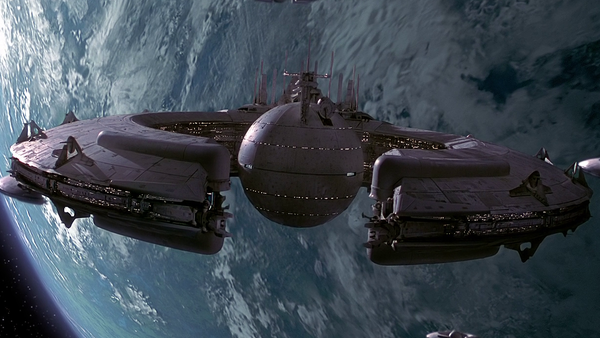
George Lucas loves greenscreen. That has to be one of the overarching truths of the Star Wars prequels. Well, yeah, kinda, ish. There's certainly a lot of scenes where actors were up against a green or blue backdrop with the background digitally created or extended. Sometimes it does look a tad wonky and it did stifle the actor's performance at points, but it's not as if Star Wars had never used this sort of trick before; sets were extended and entire backgrounds created with matte paintings in all three of the original films, which is essentially a pre-computer version of a CGI background.
What's most remarkable about the prequels is the level of practical effects on show. Through all three films lots of real models were used and the sheer number of physical or location sets would likely surprise many cynics. This grounding helps make the more in-your-face effects, like the totally CGI creatures, age rather well (Yoda and Grievous stand out), especially when compared to other films released around the same time.
We're not saying the effects are flawless, but they managed to do their job and fit into the world. There's considerably less CGI in these prequels than there is in The Hobbit and it serves to make things feel that more real; The Phantom Menace will hold up longer than An Unexpected Journey thanks to the balance with practical effects.
6. There's A Hint Of Moral Ambiguity

"Only a Sith deals in absolutes." Obi-Wan's final line to Anakin before entering their confrontation on lava planet Mustafar seems like one of the worst lines of dialogue in the whole saga. But couple it with Anakin's later "from my point of view the Jedi are evil" and it appears that Lucas is aiming for something more complex than it initially seems.
There's always been a moral balance with the Jedi - in Empire Luke has to choose between saving his friends and completing his training, while Clones makes it clear they're hiding their inability to see the future for their own sake - and in the last film it gets weighed on a bit more. Through the course of Episode III the Jedi manipulate Anakin to spy on Palpatine and although the Chancellor is feeding many lies to his future apprentice, he is skirting very close to the truth in saying the Jedi will attempt to take over. All pretty questionable stuff. From a certain point of view
The film is, after all, called Revenge Of The Sith, implying there's some form of justification to the diabolical events on show. It's not all out villanising of the Jedi, but it does try to show there's some rationale to the Sith plight. It was out of Lucas' creative reach to fully make this comparison, but that it's there being attempted in the film speaks volumes.
5. Strong Design Links To The Originals
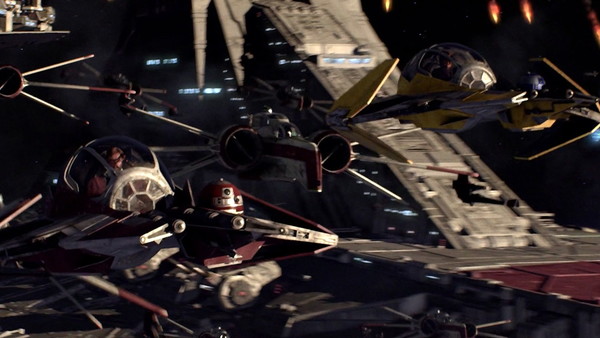
One of the aspects that really grabbed audiences attention with the Original Trilogy was the designs. The concept of a used-future, with the sci-fi world actually feeling lived in, would prove very influential to the genre, but on a more basic level the cool spaceships and exotic worlds really catch the eye; the X-Wing and Millennium Falcon were instantly iconic and helped define the Star Wars aesthetic.
Although in the sixteen year gap between trilogies computers had allowed much more creative ideas to be realised, an effort was put in to make things feel part of the same world, albeit a few decades earlier. Sure there's more holograms and high tech stuff to keep it feeling futuristic for general audiences, but the feel of Tatooine or a space fighter cockpit is the same.
The coolest design choice has to be the backwards development of the original ships, giving us Republic Star Destroyers, Jedi Fighters with TIE cockpits and clone ARC-170s that lock their S-foils in attack position. And conversely the Confederacy droid armies were gifted designs unseen in the first trilogy to herald their destruction. It's smart visual cues that give an added sheen of Star Wars to the films.
4. They Expanded The Mythology
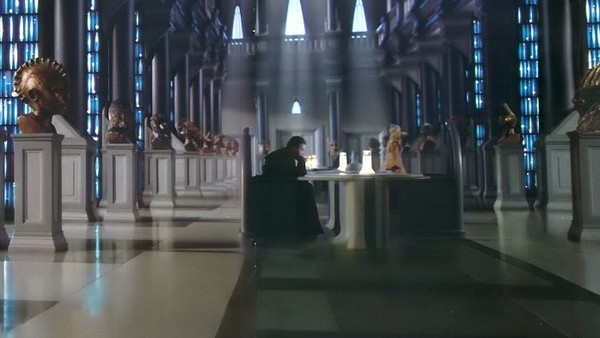
That the prequels contributed to the Star Wars mythology itself isn't too big a deal; if they hadn't you'd have to question what they spent their time doing. What's important is that it created some key franchise elements.
Jedi are monk-like warriors who train in pairs and must never love. The Sith are a duo of dark Jedi with the title Darth. The Clone Wars saw the Republic's clones take on droids. These are central elements of the Star Wars mythos, yet all originate in the prequels; Jedi initially appear monk-like in the originals because the only masters we saw were old recluses; the word Sith wasn't spoken on film until The Phantom Menace and Darth was originally Vader's first name; before Episode II the Clone Wars was nothing more than a throwaway reference in A New Hope.
Everyone has their own ideas of how minor strokes of the trilogy could be improved, but in general the broad backstory is now readily accepted. And yet the prequels are rarely praised for this. So much focus of the criticism is aimed at things like the basic nature of Anakin and Padmé's romance that the massive galactic additions made in Episodes I through III aren't given the credit they deserve.
3. The Lightsaber Fights Are Flat-Out Awesome

The lightsaber battles in the originals have their place and are far from the yawn fest younger fans would suggest; be it a final confrontation between aging foes or a showdown with a trainee Jedi totally outmatched by a Sith Lord, they felt tense and ever relevant to the story. But let's not kid ourselves; the fights in the prequels are just more awesome.
Maybe a little too prominent come Revenge Of The Sith, there's no denying the basic exhilaration of two or more combatants squaring off in an intensely choreographed light show. Nick Gillard, a long standing stuntman who's worked on everything from Indiana Jones to Shaft, planned out all the sword fighting across the three films. Dubbed the title Swordmaster, Gillard created unique fighting styles for each combatant to give each showdown a different feel.
The highlight has to be Obi-Wan and Qui-Gon versus Darth Maul at the climax of The Phantom Menace. The first properly acrobatic fight in the series, everything about it was spot on; the location was visually arresting and allowed for some cool moves, the music is at its absolute best and Ray Park really could handle that double-bladed weapon. Best of all, being intercut with the wider Battle for Naboo served to make it even more intense; when everything's starting to go well for our heroes elsewhere, this fight only getting worse.
2. They Kept The Saga Relevant

Empire Magazine recently ran a poll to find their readers' favourite film of all time. The winner, dethroning The Godfather, was The Empire Strikes Back. Thirty-four years since it was first released and the film still remains firmly in the popular consciousness. And only the conceited would say that's not got anything to do with the prequels.
After Return Of The Jedi there were a few of attempts to cash-in on the saga - Ewoks and Droids cartoons and a couple of live-action Endor spin-off features - but tie-in stories didn't really catch on until the early-nineties with Timothy Zahn's impressive Thrawn Trilogy. Even then, it was pulp sci-fi for the fans rather than a wide reaching phenomenon. The first sign of Star Wars becoming the pop culture behemoth it once was again were the Special Editions in 1997. And those were only released to get people amped up for the impending new movies.
The existence of the prequels made the series relevant again, bringing something that had fallen into the realm of geeks into a mainstream passion. And that's ignoring the obvious brilliance born directly from the prequels; Knights Of The Old Republic, both Clone Wars cartoons and to an extent the sequel trilogy all owe their existence to Episodes I-III.
1. A Smart Plot

The overall plot of the Original Trilogy can be summarised thusly; a farm boy becomes a hero of the rebellion, trains to be a knight and manages to bring his father back to the good side. It's expertly executed, but the classical inspirations of the original Star Wars are clearly visible. Here's an area where the prequels actually best their older counterpart; it may not be brought to the screen with the same skill, but their overarching story is the more intriguing.
Although the front and centre narrative drive is Anakin's fall from innocent idealistic child to youngling-killing menace, what's really important to the galaxy as a whole is what's going on with Palpatine. The Sith Master Darth Sidious manipulated his way into power, overthrowing the previous Supreme Chancellor and positioning himself as the ideal successor. From there he orchestrates an entire war to get himself complete control of the Republic, eventually springing his trap and killing all who could stop him.
It's a properly large-scale villain scheme that slowly unfurls over three films, yet is surprisingly overlooked when addressing the prequels, taking a backseat to petty gripes. Fair enough people moaned relentlessly at all the talk of politics and trade routes in The Phantom Menace, but it's essential groundwork to this story.
What's particularly noteworthy from a filmmaking perspective is how the film deals with the ambiguity of Palpatine's allegiance. There's enough there to satisfy those who knew Ian McDiarmid was the big bad (Darth Sidious is never named in the credits), but it's not overt enough to ruin the twist for those in blissful ignorance (believe it or not but the Sidious reveal in Revenge Of The Sith shocked a lot of people).
What do you make of the prequels? Are they unfairly overlook or do you think they're the worst thing since the Holiday Special? Join the discussion down in the comments below.