10 Reasons You’re Wrong About The Dark Knight Rises

Its punishment doesn't have to be more severe.
It's been over two years since the release of The Dark Knight Rises, the closing chapter of Christopher Nolan's Batman Trilogy. And in that time it's fair to say there's been a bit of a backlash. In general, the consensus is that the film is a mess, fuel to many a Nolan-hater and a mar on what could have been a great run of films. Now the thing is, The Dark Knight Rises isn't a bad film at all. It deserves to sit alongside Batman Begins and The Dark Knight (in many ways surpassing the former, but that's for another time) on the shelf, standing as a great Bat-flick and movie in its own right. There's unavoidable issues of course - there's some logic lapses in plot (but not as many as detractors would have you believe) - but these only matter if you're setting out to be nit-picky; as an overall experience the film works. There's was already dissidence amongst the fan-base during the film's production, with speculation being on the much more negative side of things than with the previous two films. That no doubt played a part in building the backlash, but there's more than just general dissatisfaction at work here. With Nolan's latest, Interstellar, currently in cinemas, it seemed like the perfect time to go back over the film and look at why it doesn't deserve all the hate.

10. The John Blake Reveal Gets To The Heart Of Batman
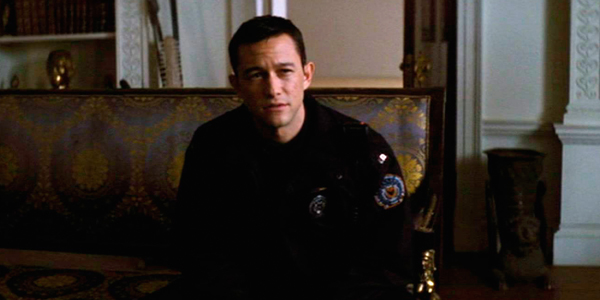
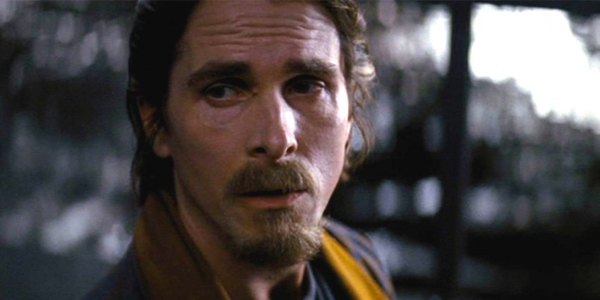
The notion of a heroes real identity being secret has, on film at least, fallen out of fashion in recent years. Since Tony Stark went against all good judgement and announced he was Shellhead at the end of Iron Man the Marvel lot have worn their real personas like an extra suit of armour. In The Dark Knight Rises the bat-mask is well and truly on, with the reveal that playboy Bruce Wayne is really a crime-fighting vigilante providing some of the film's most gut-punching moments. When John Blake, trying to get someone to take the masked-man-in-the-sewer threat seriously, tells Bruce he has figured out that he's the Dark Knight is the most ridiculed of these reveals, often pointed to as an example of the film's weak screenwriting. And when you distill it down to a one sentence summary - he realised it because of Bruce's face - it does sound silly. But as presented in the film it serves as a dissection of the mask Bruce Wayne wears everyday, something that was previously discussed at the end of Batman Begins, highlighting how he's still, even after cleaning up the city, haunted by the death of his parents.

9. Real And Large Scale Action

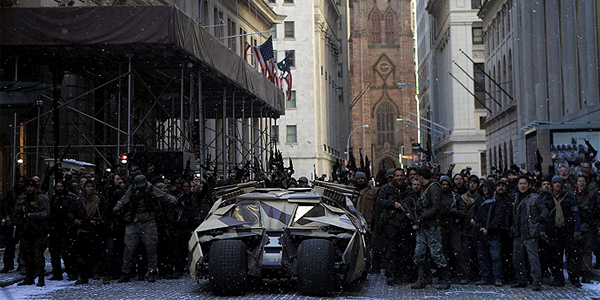
We're used to action sequences in blockbusters being a smörgåsbord of CGI shapes battling it out, where only the best rendered will come out on top. Christopher Nolan isn't your typical director, eschewing computer generated effects in the same way he refuses to make the move to 3D or even digital. He uses it, sure, but only when conventional methods won't allow his vision to be brought to life. Take the two lynchpin set pieces of the The Dark Knight Rises; Bane's destruction of the Gotham Stadium and all-out war on Wall Street. Both feature massive crowds in large, exterior locations. And it was all done for real. It's the sort of thing rarely seen in cinema anymore - legions of extras creating something genuine, rather than the director getting the tech guys to do it in post. Behind the scenes brio doesn't guarantee what's on screen will be of a high quality, but when it's opting for reality over CGI (which is still a little way off photo-realism) it certainly helps. It goes without saying that having things actually there make for a more believable experience, keeping the film grounded even when all the nuclear bomb threats are being thrown around.

8. Wounded Wayne

As a character Bruce Wayne is always going to be emotionally wounded. His entire adult life is defined by the loss of his parents at a young age after all. But The Dark Knight Rises shows us more than that, pushing the ideas raised in Batman Begins and The Dark Knight to their logical extremes. The Bruce Wayne we open the film on is a recluse, hidden from life as both a playboy and crime-fighter, deeming himself totally unnecessary to Gotham. The notion of a character that has so long been held in high regard as an embodiment of masculinity knocked down to self-doubting level is interesting to see and shows an increasing acceptance of people's perceived weakness against the conventional ideal. Skyfall, which came a few months later, also explored this, working as a solid double-bill with Rises. This idea, of a hero being disenfranchised with their role to the extent of quitting has been explored in other movies - both Spider-Man 2 and The Amazing Spider-Man 2 touched on it - but here it's not just a passing phase that's resolved as quickly as it arrives. Bruce's turmoil is the genuine culmination of what being a costume vigilante would be like.

7. A Distinct Tone

Batman Begins only made $370 million at the worldwide box office. At a first glance that's impressive (and, given the rut the character was in before, it is), but it's not phenomenal - just enough to get a sequel. Although there's obviously DVD viewings to account for, this means there will have been a sizeable group of The Dark Knight's audience (which helped it make $1.005 billion) who hadn't seen its predecessor. And thus the massive change in visual style and tone - the grime of the Narrows gives way for the sheen of wider Gotham - would have gone unnoticed. There's a similar jump in tone between The Dark Knight and its sequel. This isn't the Heat-inspired crime drama anymore, but a full realisation of revolution. However, as they weren't used to the tonal changes (or had at the very least accepted them retroactively), this slighter switch didn't sit well with some viewers. The elements it added worked in the Gotham Nolan presented, but not the Gotham the audience wanted. The Dark Knight Rises is more bombastic and end-of-days than the second film in the trilogy and thus it won't be as grounded in its logic. There will be flights of fancy (and Bat machines), but that's all part of this particular film.

6. Bane Is A Solid Villain

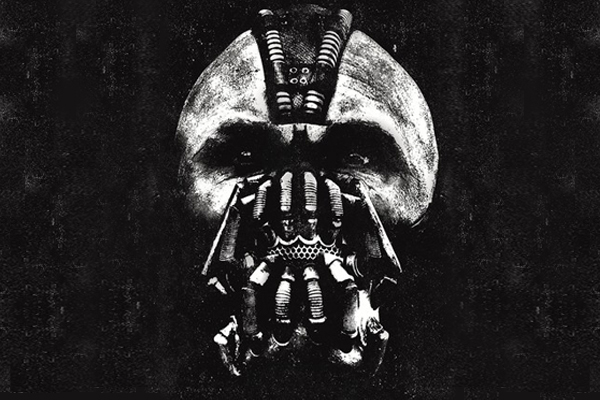
There was an obscene amount of discussion pre-release over whether Bane would live up to the Joker. The very idea of a more brutish villain even hinted at an attempt to overcompensate for the loss of Heath Ledger, trying to avoid the opportunity for comparisons that using, say, The Riddler, would create. In terms of faithfulness to the comics, it's an interesting situation. In print Bane is given his jacked-up figure by the super-steroid Venom, which is delivered to him through the mask, obviously replaced by an equally as ambiguous painkiller system in Rises. Ultimately the differences are really no more extreme than with any other member of the Rogues Gallery in Nolan's movies. He's not a giant Mexican, but both the League of Shadows connection and relationship with Talia are well established in the comics. All that, however, is secondary to one big issue; how he works in the film. There's a physicality to Bane that was lacking from the previous villains, making his encounters with Batman incredibly fraught. And rightly so - after dispatching goons deftly from the shadows, coming up against Bane leads to scrappy fighting where all previous tricks go out of the window. Does he live up to the Joker? No. Does he work as a great screen villain in his own right? Oh yes.

5. The Soundtrack

One thing Batman's not lacking is catchy theme tunes. The "na na na na na na etc. Batman!" of the Adam West TV show is forever etched in the popular culture mind, while Danny Elfman's score from Tim Burton's movies provided the distinctive sound of Batman for decades. With such a legacy it's incredibly impressive that Hans Zimmer managed to deliver three scores that stick in the mind as much as the previous version - the same can't said of The Amazing Spider-Man, which, Electro dub-step aside, is utterly forgettable. The Dark Knight Rises soundtrack sits right next to the score for the other two movies in the trilogy. The signature Batman theme is used sparingly, making it feel even more epic than it already did, while the new pieces, especially those for the villains, are great; Catwoman's piano theme gets across Selina Kyles seductiveness, while Bane's, with its use of drums, carries the same imposing nature at the hulk himself. The standout for us would be the Deshi Basara chanting ("he rises" in Arabic), which runs through the score and provides a distinctive feel to the film.

4. A Good Twist

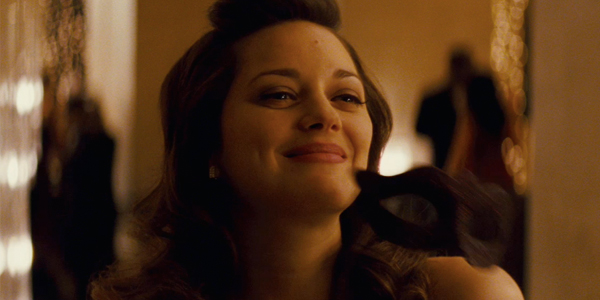
The reveal that Marion Cotillard's character, Miranda Tate, was in fact Talia Al Ghul, arrived in Gotham to finish her father's work, elicited a few sighs from fans. What an obvious last minute rug pull that barely even budged the coffee table, right. But why exactly was it obvious? The film had a couple of clues (she consistently eludes dangerous situations and is shown overlooking the final battle in classic villain style), but the main reason is that speculation had settled on this during the film's production. That Cotillard was allegedly playing a non-comic character sparked suspicion, while leaked on-set photos showed her in a distinct get-up walking with the bad guys. The problem with that is that it's like reading the script and then complaining when the film comes out you know what's going to happen. Taking away all that and the twist functions incredibly well. It comes out of nowhere and ups the stakes of the in-progress finale. As for it emasculating Bane, it really doesn't. If it did that wouldn't be an issue given how the film's already looked at the outward exterior of masculinity, but in practice all it does is provide him with an ally and a more human side.

3. Nolan Didn't Just Jump Into It For Money
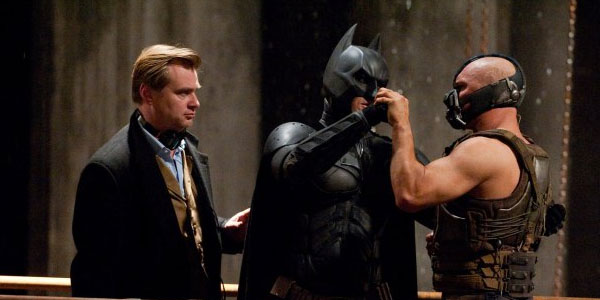
Remember in the intro when we talked about how the fans weren't too expectant about The Dark Knight Rises? Part of that was to do with the high watermark The Dark Knight set, but a central element of it was that its very existence appeared to be creatively compromised. After years of radio silence Nolan suddenly announced in 2010 that he would make a third Batman. The reason why was the usual "we have found a story worth telling", which naturally raised questions of studio bribing. And that feeling has carried through to the aftermath, with any issue with the film chalked up to the director not wanting to be there. Oh, come off it. This is the guy who is so respected by Warner Bros. that they threw $160 million at his passion project about dreams. Inception made over five times its budget, showing that Nolan doesn't need to be within the crutches of an established franchise to be a hit. There's no reason for him to look twice at the film without having a genuine creative stake in it. Yes, he did make Inception between The Dark Knight and The Dark Knight Rises, but using that as proof kinda ignores that he did the exact same thing after Batman Begins, making The Prestige as a palate cleanser before diving back into Gotham.

2. An Fitting Ending To Both Film And Trilogy
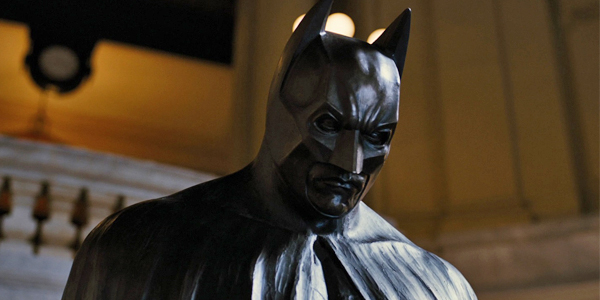
The final act of any film franchise faces a difficult task. There's obviously a necessary desire to wrap up any loose plot threads and provide a sense of resolution, but putting too much focus on that can leave a rather flat film in its own right. In a world where most book series have their final entry split in two, turning movies franchises into elaborate mini-series, this tends to hew closer to the overall ending; Harry Potter And The Deathly Hallows: Part 2 offered very little in isolation. The Dark Knight Rises succeeds in balancing these elements, with an ending that works on both levels. The ending of Rises sees Bruce Wayne fake his death to live a quiet life and John Blake take up the Batman mantle. With Catwoman along for the ride and having young Robin an essential part of the film's narrative drive, this obviously works in a stand-alone manner, but it's solid in reference to the previous movies too; The Dark Knight shows Bruce looking for a way to give up being Batman and this film provides him with a legitimate way to do it cleanly. Few movie series can boast a final entry that works so well in the spirit of the early installements (there's even call-backs to specific scenes from earlier movies) without immense compromise, something The Dark Knight Rises doesn't succumb to.

1. Batman Appears More Than You Think

One the biggest points people made about The Dark Knight Rises when it was released was that Batman was in the film very little. Bruce Wayne slowly builds up the courage to come back, before swiftly finding himself trapped in a cave until finally coming back for some quick action. It'd be like a Godzilla film that kept the King of Monsters in the shadows until the very end. Oh wait. Obviously how much Batman is in the film doesn't have a direct impact on the quality - the wider cast and the film's interest in the overall state of Gotham keep the story moving in an engaging way - but that's not the point we're here to make. You see, although you may think Batman isn't around that much (and is indeed absent for about an hour in the middle), The Dark Knight Rises is the Batman film with the second highest amount of actual Batman screen time. All in all, Bats appears for approximately 30 minutes in Rises, compared to 24 minutes in Batman Begins and 36 minutes in The Dark Knight. Sure, The Dark Knight Rises is longer and thus percentage wise he isn't on screen as much compared to the Burton films (28 and 23 minutes respectively), but in terms of Bat for your buck The Dark Knight Rises is solid. What's your opinion on The Dark Knight Rises? Does our defence make a point, or is it a film beyond redemption? Let us know in the comments below.

Contributor
Contributor

Film Editor (2014-2016). Loves The Usual Suspects. Hates Transformers 2. Everything else lies somewhere in the middle. Once met the Chuckle Brothers.