10 Reasons The Cinema Is Now The Worst Place To Watch Movies
We think we'll just wait for the DVD.

If you're a fan of the smell of nachos, wobbly armrests and half hour long stretches of adverts then the cinema is the place for you. Mmm... sticky.
Yeah, it's fair to say that you don't go to the cinema for the ambience; it's all about the films. Even though the experience you have to go through to get there makes Hercules' twelve trials look like a fun excursion, that ultimate destination, a dark, air-conditioned room where you can fall into another world for a couple of hours, is worth it. Or rather it was.
There was a time when all the little annoyances at the cinema (disinterested staff, poorly focused images, a terrible preview brochure posing as a serious magazine) were perfectly acceptable; it was, at the end of the day, the best way to watch movies. Not anymore. Cinemas are only getting worse as other film viewing options improve and it's time we woke up to that fact.
There's plenty of awesome independent cinemas out there (and even some branches of big chains) that offer a first class experience, but the majority of multiplexes are a soul-crushing experience and it's getting to the point where you have to ask yourself why you continuously subject yourself to it. Here are ten painful facts about the modern film landscape that prove the cinema is no longer worth all the trouble.
10. It's Not Got Exclusive Product For Long

Before home video the only way to see a film was in the cinema. That's how films like Gone With The Wind, The Sound Of Music and even Star Wars made so much money; they were in cinemas non-stop for literal years. With film consumable just about anywhere at anytime it's now reached the point where if you don't catch a movie in its first month of release then its gone from the big screen, with the first weekend box office basically deciding if the film is a hit or not.
This has a big effect on how movies are marketed and what sort of projects get green-lit, but it's ultimately hurting cinemas. Films are heading to DVD and Blu-Ray so quickly that waiting to watch something at home is no longer a massive sacrifice. Alice In Wonderland caused a stir a few years ago when Disney closed down the gap between theatrical and DVD release to just three months and things will only get more extreme.
Ben Wheatley's A Field In England was not only released on DVD and Blu-Ray on the same day it entered cinemas, but also aired in its entirety on TV the same evening. More and more independent films are taking a similar route and soon exclusivity will not be a selling point cinemas can use.
9. Lights Are Left On In Showings

Films when projected are meant to be viewed in a dark auditorium. The source of the picture is a bright light behind the audience, so any light between there and the screen will have an effect on the image, making it less sharp and in darker scenes intelligible. You'd think the cinemas, who let's not forget are allegedly trying to give you the best experience, would ensure that as much effort was put into giving you a pitch black room as possible. Of course they don't.
More often than not the light in the projection box is left on, which is already lighting up the auditorium. But in recent years the actual lights are now getting left on. For health and safety reasons we can't bemoan the Fire Exit light, but does the aisle really need to be lit by spotlights from above? What's worse is the hairbrained decision to have these lights go all the way down to the screen. Any film not set at midday with a clear sky might as well be a radio play. When we can actually read the crappy cinema preview magazine while the film's running you know it's too bright.
8. Home Media Companies (Try To) Care About You

Despite being the biggest retailer in the world, Amazon has one of the better customer service departments. Returning a product is stupidly easy (and free), while their comprehensive FAQs answer pretty much an burning question you may have. And their review system, so in-depth it's one of the biggest on the internet, keeps people engaged, with it even rewarding good content with physical rewards.
Netflix has an equally customer-oriented approach, with much of their focus seemingly on making their service as user friendly as possible. It may be all financially motivated, but these companies put a lot of effort in making their experience as easy and rewarding for each customer. No wonder they both got so big so fast.
Cinemas (multiplexes at least), on the other hand, try for no such illusion. Ushers, once a mainstay of picture houses and a strong deterrent of the stage whispering semi-darkened rooms attract are a relic, their status emblematic of how once you've sat down your importance to the company ends.
7. Too Many Gimmicks
You're going to the cinema to see, say, Guardians Of The Galaxy Vol. 2. Walk in, get ticket, sit down, right? Not quite. First you've got to decide what format to watch it in - 2D, 3D, IMAX or D-Box? Erm... two for Guardians Of The Galaxy, please?
In an attempt to artificially inflate the ticket price even more cinemas have latched onto new technologies purporting to be the next big thing that are in fact just another expensive gimmick. 3D conversions are normally such a slapdash effort that it's become a joke. D-Box is a moving chair more at home in an amusement park than a cinema.
But the biggest offender of the lot is what passes for IMAX. A brilliant format, when done properly an IMAX presentation is breathtaking. What most multiplexes offer as IMAX, however, isn't really full IMAX; although this carries the brand it's an inferior product. A cinema simply converts its biggest auditoriums into 'IMAX' by getting a new projector and changing the logo on the seats; the majority of lie-MAX screens are an excuse to charge more for a bigger screen. It's better, but not a whopping surcharge better. It's a cynical execution of an good idea; cinemas offering the option of a more premium experience is a good idea. A gimmick, however isn't a premium experience.
6. Simply Going To The Cinema Is Becoming A Logistical Nightmare

Most employed people work 9-5. Taking into account commuting and eating, how many showings do you think it's possible for a regular worker to make on weeknight? At best one. Rather than increasing the number of film times as the majority of the population becomes free, cinemas if anything reign back evening showings for no discernible reason.
They're obviously limited by the number of screens and the length of film, but it strikes as a rather self-gratifying move, allowing staff to go home a bit earlier. Things are only complicated by allocated seating becoming a mainstay of cinema. Prominent in several big chains and touted as a good thing, it whacks as an attempt to give an air of prestige to the cinema going experience while in fact just making things that little bit more awkward.
Who decides where to sit before going into the auditorium (the meaning of "front, middle or back" changes from screen to screen)? And what if someone wants to join after you prebooked tickets online? Guess they're on their own. You're not a high end West End theatre and we don't really want you to try.
5. Finding Good Films Is Hard

Thanks to Amazon being able to deliver pretty much any DVD ever produced to your front door in less than 24 hours and both them and Netflix offering immediate access to a fairly wide selection of films (and producing their own) we're becoming increasingly used to having free reign on what movies we see.
In reference to the cinema it's a little muggy. Although multiplexes can often have ten or more screens that doesn't guarantee a wide range of films. Why put on ten different films when just three will allow umpteen showings of the latest blockbuster? This means that if you want to see a film that isn't that week's high-profile release then you either have to go at a bizarre time or hunt down an independent cinema that's giving it the time of day. And do you realise how hard those can be to find?
Most major cities have a quality one worth visiting, but if you live outside of the centre then your facing a trek to just get there. Because they're obviously smaller than their chain counterparts there's also fewer screenings, so you're still at the mercy of the programming gods. No wonder everyone says there's never anything good on.
4. Feel Free To Leave Your Phone On
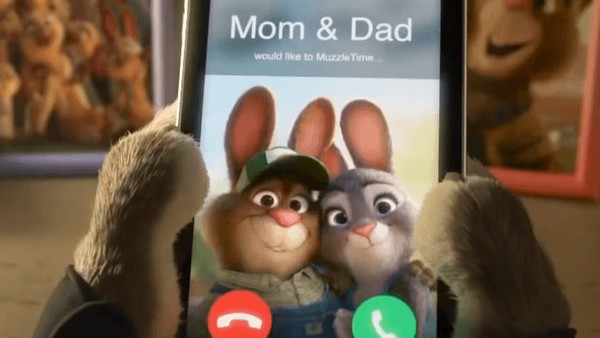
Back in the nineties when cinemas started politely asking you to turn off your phone before a film the danger back then was sound; if someone gets a call it'd naturally be disruptive. And it worked. Sure, there'd always be that lone renegade who wouldn't listen and even go as far as to answer the call, but for the most part people at the very least put it on silent. Bliss.
Then came smartphones. It wasn't just about calls now, but Facebook, Twitter, Snapchat and all that. And it's become terrible. Remember the light issue? Well it's even worse when the source is directed at your face from a few feet away. People weaned on the noise problem assume updating their status or whatever halfway through a film won't have an effect on anyone else. Well we have new for you: it's bloody distracting.
Quite why you'd want to pull yourself out of the action is perplexing, but what's even more surprising is that in the rise of this cinemas have got less proactive about phones. Do cinemas just assume people know now and leave it be? Imagine if planes did that with airline safety.
3. Home Cinema Is So Good Now
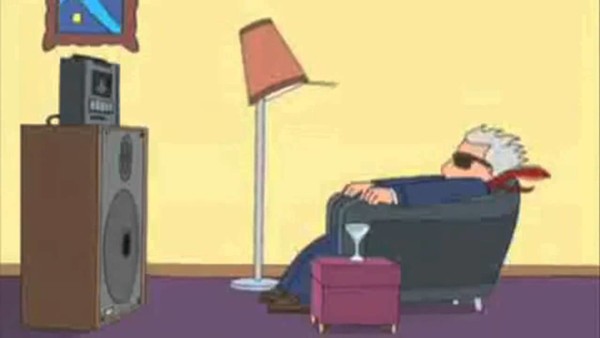
It's easy to grumble about the cinema, but until there's a viable alternative there's nothing that can really be done. Well now there is one. As HD TVs, Blu-Ray players and sound systems have improved, so have the prices gone down. They may not yet be fully able to rival the best of cinemas, but as far as experiences go it's devoid of a lot of the irritations that make going to the pictures a pain.
Most general audiences aren't too bothered about the latest tech either - to the average consumer 4K is a tidy sum of money and nothing else - so even low-range home entertainment systems (average TV, cheap Blu-Ray player) are going to offer everything they want and more. Things are only going to improve in the next few years. The future's here and it's domestic.
2. The Cost

OK, it's the most common complaint about cinemas and has been done to death, but it's still a potent issue that remains relevant as ticket prices increase ever faster. Movies cost a lot to put on. Even after the huge amounts needed up front to just get a projector installed and a cinema running, the cost of renting films on opening weekend is extortionate, with the majority of money made on tickets going straight to the distributor. That's why we're happy to sit through an obnoxious amount of adverts before each film; the money the cinema gets from showing them helps make some cash back.
But no matter the reason for high prices, it doesn't mean audiences should be happy to fork over a small fortune for a couple of tickets and a popcorn to share. Stay at home and you can get a six-month old film for the cost of one ticket with no transport cost. You may get lucky and find somewhere that does a cheaper deal at certain times, but those tend to be on days where it's a slog to get to the cinema so any advantage is lost.
1. The Cinemas Aren't Trying To Fix Anything

Cinemas are involved in a battle bigger than they've ever faced before. They weathered the arrival of TV and the VHS revolution, but now, with their quality decreasing as everything else around them gets better, this time they actually have to fight. And they're not.
The movies should not have a PR problem. It's a universally loved past time that offers you an opportunity to see the latest releases in a comfortable, unique location. But cinemas are turning themselves into a has-been institution with awkward queuing policies (want tickets? You'll have to stand behind that family getting the big meal deal at the food stand), a sheer disregard for you the moment you step in the screening room and, worst of all, a complete lack of interest in ensuring you get a good showing.
There's been a big digital shake-up in cinemas over the past decade that has brought in an new influx of new projectors, meaning the quality of image and sound should be better than ever. But no care is put into quality control; making sure the film's in the right aspect ratio or that the bass isn't turned up way too high should be obvious yet time and again cinemas let it slide. The new tech was designed to make fine-tuning easy for even the biggest greenhorn. Instead this powerful tech is being treated like a fancy DVD player.
What do you make of modern cinemas? Are they worth suffering through or do you not bother any more? Have your own rant down in the comments.