10 Overlooked Positives Of The Amazing Spider-Man Films

Come on, that Stan Lee cameo was awesome.

You€™ve got to feel a bit sorry for Marc Webb, Andrew Garfield and Emma Stone. The previous Spider-Man franchise had three movies in which to prove itself, but these guys were quietly shuffled off the Sony back-lot after just two. We'll never get to see The Amazing Spider-Man franchise reach it€™s full potential. It€™s been kicked conclusively under the carpet in favour of a new collaboration between Sony and Marvel Studios, with Jon Watts and Tom Holland stepping in to take the reins while Webb and co. have had to make themselves scarce. The sad bit is: their films really weren€™t that bad. The big problems (rehashing Raimi and spending too long teasing the Sinister Six) surely came from Sony, while the cast and crew made the most of the material they were given. While they€™re not quite €˜Amazing€™ as the series€™ hubristic moniker would have us believe, at least these films weren€™t as bad as Josh Trank€™s Fantastic Four. To try and undo some of the hate levelled at The Amazing Spider-Man franchise, then, here are ten overlooked positives from Webb€™s two films€

10. The Web-Slinging Was Truly Exciting

Marc Webb made all the right noises when he first landed the job of rebooting the Spider-Man franchise. He wanted to take Peter back to his school years, add more jokes and make the web-slinging feel more real. In terms of the web-slinging, he definitely did a good job. The Amazing Spider-Man and The Amazing Spider-Man 2€™s swinging scenes were shot practically, where possible. Stuntmen were strapped into giant rigs and sent swinging through the air on set. And for the scene where Peter first tried out his powers by swinging on a chain in that random warehouse, Andrew Garfield himself even had a go. The result is a visceral level of thrills, which Webb plays up to even more in the scenes where he shoots from Spidey€™s point of view. Suddenly, it felt like Spidey€™s powers were that tiny bit more attainable. Of course, this is only a small part of the film, but it€™s a big deal for fans of the character. Therefore, Webb deserves a pat on the back for capturing it so well.

9. The Intricate Webs Of Stories

The Amazing Spider-Man films had a plan. There€™s nothing wrong with that. These films were clearly intended as the first two threads in a large web of stories that would have eventually spun out into all sorts of directions. Black Cat and The Sinister Six would eventually get their own movies, alongside Peter€™s main story that would€™ve held the franchise together. This is exactly what audiences fork out cash for repeatedly when Marvel Studios do it, so why should The Amazing Spider-Man be lambasted for trying to give us what the majority of cinema-goers seem to want? Things got a bit imbalanced in the sequel, but it was clear what was going on. In fact, Oscorp as the overarching baddies of the saga isn€™t a bad concept at all. Giving the villains a shared link to an evil corporation certainly makes more sense than Spider-Man 3€™s idea to send Flint Marko into an unexplained open air night-time sand-based molecule experimentation. At least The Amazing Spider-Man didn€™t do that. Who€™s to say, either, that The Amazing Spider-Man 3 and 4 wouldn€™t have picked up these Oscorp story threads and done something really interesting with them? We never got to see the full story, so it seems a bit harsh to slam what we did get. Not as bad as judging a book by it€™s cover, perhaps, but something more like judging a book by its first two chapters. Which is still a bit silly.

8. They Attempted Some Science Stuff

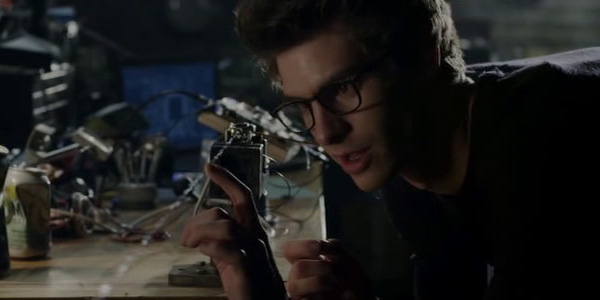
In the comics, Peter Parker starts of as a high school science whiz and ends up owning his own company €“ Parker Industries €“ as a result of his impressive IQ. (Let€™s skirt past the fact that Parker Industries€™ history is chequered to say the least.) The Raimi films seemed to forget this, turning Peter from a very clever kid into an utter dork with all of the victim-of-bullying angst but none of the smarts. Marc Webb€™s movies didn€™t make the same mistake. Although trying to science the sh*t out of a popcorn blockbuster often raises a few eyebrows, at least they made the effort to show that Peter knew his stuff and was capable of creating inventions and solving problems. In the first film, he engineers his own web-shooters (a nod of respect to the comics, in of itself), and in the second movie he conducts experiments €“ with the help of YouTube tutorials (he€™s still young and still learning, so this isn€™t necessarily an offensive idea) €“ to find a way to protect himself from Electro€™s attacks. Yes, these scenes are brief, but they€™re also true to the character. Peter Parker isn€™t a popular kid, but he€™s also not an idiot. The Amazing Spider-Man movies got that dead right.

7. The Second One Wasn€™t Dark And Gloomy

Some superhero sequels (I€™m looking at you, Thor: The Dark World) make the mistake of trying to ape Christopher Nolan€™s The Dark Knight. That movie€™s great, but there€™s no reason that every second story in a superhero series has to be darker and moodier than the last. Much to its credit, The Amazing Spider-Man 2 didn€™t fall into this trap. The colour palette of the second film is actually much brighter than the first. Scenes like the Times Square showdown look like they could€™ve been lifted directly from a particularly colourful comic, while Electro himself brings a flashy luminescent glow to proceedings. This gives Webb€™s second Spidey flick it€™s own visual personality. And this brightness blends into the tone of the movie, particularly in the playful opening chase scene, Garfield€™s slapstick skit with the coffee and the continued comedic bickering between Peter and Gwen (until she dies, that is). Again, this shows Webb€™s understanding of the source material. Yes, things tend to get dark for Peter every once in a while (as they certainly do here, after the Green Goblin shows up), but when everything€™s going swimmingly he€™s often utterly joyous at the prospect of swinging around, pounding on criminals and cracking wise. Webb deserves kudos for reflecting that in part two, not just sticking to the moodiness that he tried to bring to the first movie.

6. The Idea Of An Unsolved Mystery Was Cool

To touch upon the broader story of The Amazing Spider-Man saga again, there€™s something to be said about the use of Richard and Mary Parker here. Taking inspiration from the Ultimate Spider-Man comics, Webb and co. sought to tie Peter€™s parents into a larger conspiracy, which isn€™t a bad thing. In the Raimi films, Peter€™s parents didn€™t play a part. When audiences met Maguire€™s Peter, he was already living with Aunt May and Uncle Ben and the story of how he got there isn€™t portrayed as important. From a storytelling point of view, The Amazing Spider-Man sought to do more. There€™s undeniable narrative potential in the idea of tying Peter€™s parents into the story of Spider-Man somehow. Admittedly, The Amazing Spider-Man had a bit of a problem with this situation, mainly because the movie came across as a little too coy about it. The first film was advertised to audiences worldwide as €˜the untold story,€™ but continued not to tell them the actual story. Understandably, that was frustrating for many. In the second movie, thankfully, Webb gave viewers a little more. There was the plane-crash, and the video recording that Richard left behind explaining his biological experiments. Both of those scenes were quite strong, and if this story had been allowed to play out to its conclusion, it could well have been brilliant viewing as a whole. Unfortunately, fans will never know for sure.

5. They Directly Adapted An Iconic Comic

When most superhero movies come out, there€™s a bit of a backlash from comic book fans who wish the filmmakers wouldn€™t deviate from the source material so drastically. You certainly couldn€™t level that complaint at The Amazing Spider-Man 2. The Night Gwen Stacy died €“ a 1973 comic written by Gerry Conway €“ is one of the most talked about issues of Spider-Man of all time. It presented readers with a truly tragic tale of a hero who just couldn€™t save his first love, despite his best efforts and his amazing abilities. It€™s brave, bold and it formed the basis of a big emotional scene in Webb€™s second Spider-Man movie. When Emma Stone€™s Gwen Stacy went flying down a clock tower thanks to Dane DeHaan€™s Green Goblin and Peter failed to save her, the filmmakers played clear homage to Conway€™s comic in a way that fitted perfectly within the film. The movie had already seen Peter straining to keep Gwen in his life, and the macrocosm of that is him failing to catch her from the clutches of death. Gwen€™s death, you€™d struggle to convincingly deny, was a strong scene. The problem was that the whole Green Goblin arc didn't get enough screen time and Peter€™s grief was montaged into unimportance within five minutes. The core idea was good, then, but not the other scenes surrounding it.

4. Harry Seemed Like A Genuine Threat
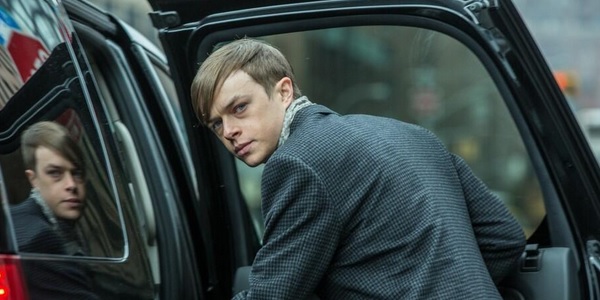
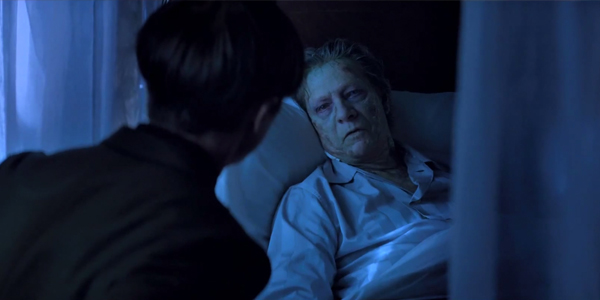
One of the irritants of The Amazing Spider-Man movies is that their best villains are the ones that we see least of. The Lizard looks rubbish but gets a whole movie to himself, and the overly cheesy Electro gobbles up most of The Amazing Spider-Man 2 while, on the side-lines, something far more interesting is going on with Dane DeHaan and Chris Cooper as the Osborns. The idea of Peter€™s long lost friend being the heir to the evil corporation plotting against Spider-Man is solid. There€™s a cool story to be told there, and €“ in the brief scenes that Webb finds time for €“ it plays out quite well on screen. In killing Gwen, you can't say that Harry doesn't establish himself as a genuine threat. DeHaan is perfectly cast as this smarmy supervillain-in-waiting, and he even manages to be convincing as an estranged friend to Peter (despite chumminess being quite far from his usual wheelhouse). And, in his cameo-length appearance, Cooper is plenty creepy enough to play his dad. If Webb had learnt the lessons of Spider-Man 3 and stuck to one villain per film, the story of an evil father handing a legacy to his slimy son could have made for a brilliant Amazing Spider-Man 2. As is stands, though, the Osborns feel like an enjoyable distraction in a worse villain€™s film.

3. The Comedic Scenes Were Actually Funny
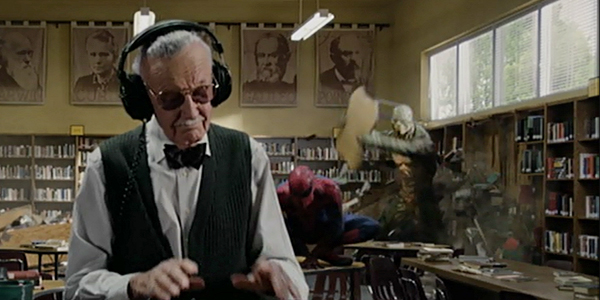
To comic book readers, Spider-Man is known for using quick wit constantly against his enemies. He winds them up, adding an extra layer of fun to the already-cool event of a big super-powered bust up. And The Amazing Spider-Man films succeeded in bringing this humorous tone to the cinema. The €œdon€™t dress like a car thief€ scene is arguably the best representation of the comedic side of Spider-Man that€™s ever been committed to screen. He€™s genuinely funny, and he€™s stopping the crook at the same time. It's simple but it's entertaining. Spidey dubbing Electro €˜Sparkles€™ in the second movie keeps this trend going, as well as serving to lampoon a villain that audiences were never going to love. With a few more lines like this, these films could have ended up being much more popular. Also, it€™d be remiss not to mention Stan Lee€™s movie-stealing cameo from The Amazing Spider-Man. This always raises a chuckle, and presents the most imaginative way €“ so far €“ that a filmmaker has squeezed the comic book creator into their movie.

2. Andrew Garfield Was Perfectly Cast As Peter

Andrew Garfield was somewhat short-changed by The Amazing Spider-Man films. Arguably, he€™s a better Peter Parker than these disjointed movies deserve. Even to me, a great enjoyer of the Maguire movies at the time, Garfield is a superior Peter. Nerdy kids are meant to idolise Peter Parker. Although he gets bullied at school and routinely beaten up by supervillains, he€™s always been a figure of pure wish fulfilment. He€™s smarter than the bullies, he€™s funnier, and he€™s secretly a ruddy superhero. He€™s the James Bond equivalent for lonely teenage boys, and Garfield really seemed to understand this. Garfield€™s Peter was a little more sheepish than Maguire€™s running-for-the-school-bus dweeb. Although he didn€™t have a tonne of confidence, his Peter was a character that wanted you to like him. Not pity him. That, surely, is what Peter Parker should be. Okay, yes, I€™ll admit that seeing Peter on a skateboard was maybe a step too far. There€™s a fine line between €˜only the viewer/reader knows how cool he is€™ and €˜he€™s blatantly a very talented, attractive guy and everyone knows it,€™ after all. Other than that, though, Garfield€™s performance is hard to fault.

1. The Chemistry Between The Leads

And, finally, what else could top this list other than the chemistry between Emma Stone and Andrew Garfield? The screen sizzled when these guys shared scenes, and it€™s hard to deny that they were perfectly paired for the romantic stuff, the comedic bantering and even the tragic ending. Praise be to Webb for casting these two. As already established, Garfield is a great Peter, and Stone€™s Gwen deserves heaps of recognition as well. She made audiences laugh when she larked around (the €˜cramps€™ bit being perhaps her most memorable jokey scene), and cry when she plummeted to her death. You buy into their relationship because the bond seems so genuine, which is really saying something for a Spider-Man movie (lest we forget that Maguire and Dunst never reached these levels of chemistry). This makes it even more of a gut-punch when Peter loses Gwen at the end. Again, it€™s a shame they didn€™t run with that and hurried past with a montage instead. As it stands, the next time a solo Spider-Man movie reaches cinemas they€™ll be hard pressed to top The Amazing Spider-Man franchise in terms of its romantic central duo. It won€™t be easy to beat its web-slinging or comedy, either. Let us know what you think about The Amazing Spider-Man 2 in the comments. Does it get too much hate?

Contributor
Contributor

Film & TV journo. Quite tall.