10 Movies People Only Dislike Because They’re Popular

Don't you just hate it when something becomes mainstream?
Did you guys like Guardians Of The Galaxy? Of course you did. Boasting genuinely funny moments while still managing to deliver a strong and suitably epic plot, it fully deserves to be one of the biggest films of 2014. The only thing better than seeing Marvel work magic with a previously unknown property is how much people have welcomed Groot and Rocket. Although don't expect that to last long. If the history of cinema has taught us anything it's that a film can only get so popular before there's a massive backlash from the people who made it such a big deal in the first place. Enjoy running around shouting "I Am Groot" at anyone who'll not try and get away while you can; by the start of next year people will be starting to condemn the film with that unforgivable phrase, "it wasn't that good." Of course, Guardians won't have got any worse, it's just that the some people won't be able to cope with the gushing praise and feel they need rein back their initial comments. This is an irritating problem with modern cinema, where if a film is so overwhelmingly popular it can end up getting dismissed as something mainstream and throwaway. The result of a mix of various factors, it means that often great movies can end up discarded just because no one wants to look like an unopinionated sheep. Today we're going to take a look a ten great movies people only hate because they got popular.

10. Gravity

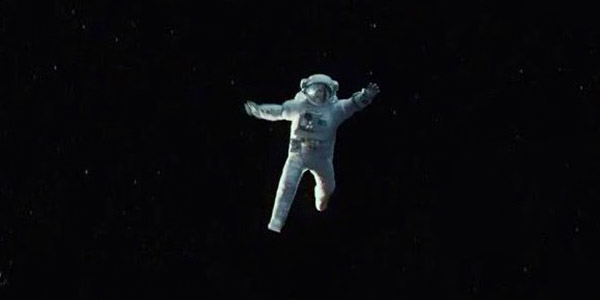
Gravity isn't the flawless masterpiece some trumpeted it as upon release. It may be a technical marvel that serves as the cinematic equivalent of theme part ride, but for all its material prowess, below the surface there's little there beyond heavy handed symbolism and clunky dialogue. Does that make it a bad film, however? No. It makes it a flawed one, but that only puts it alongside 99.99% of cinema ever produced. When it first came out Gravity was adored, with critics heaping praise on it for offering a totally unique experience. Over time the minor criticisms about lack of depth, which had been brushed aside initially as unimportant, became fatal problems that meant enjoying it became a crime. The real reason Gravity received the backlash that other recent, equally lauded sci-fi avoided is that it became a hit. Moon was an indie sci-fi that despite a lot of post-release notice remained firmly in the grasps of serious cinephilles. Gravity, on the other hand, became mainstream. What people expected from a film that cost $100 million produced by David 'Harry Potter' Heyman we don't know, but some didn't like that what they felt of as their baby became something for regular audiences.

9. Forrest Gump

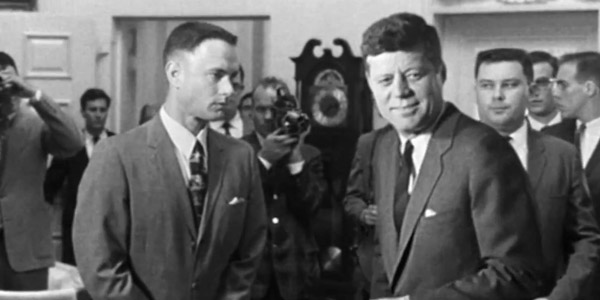
Sentimentality is a very hard thing to do right. It's an even harder thing for it to not become laughable as time passes. Whack a piano tune over a crying face and you can get grown men tearing up, but immediately after they'll feel emotionally manipulated. This can have the nasty side effect of turning something earnest seem underhanded. Which brings us to Forrest Gump. With its blend of comedy and drama set against a historical backdrop Robert Zemeckis turned what on paper sounds like conventional Oscar bait into something decidedly unique. The film was a smash hit, sweeping the Oscars and becoming the second highest grossing film of 1994 (it placed just behind The Lion King). But because it delved into nostalgic and sentimental areas it immediately caused a divide, with some members of the audience viewing it as a very straight down the line exercise. As the popularity increased, this, as is wont, led to increasing disliking of the film, to the point where now it is remembered as a good, but dated flick. It doesn't help that several of the film's most memorable moments (the box of chocolates, the contrived shaping of the 20th Century, "run Forrest, run") have been quoted to near parodic levels, making their delivery seem someway sappy.

8. Marvel Cinematic Universe

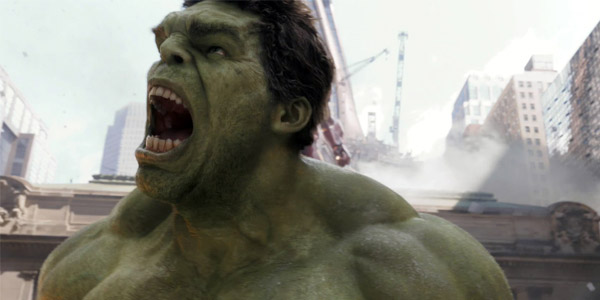
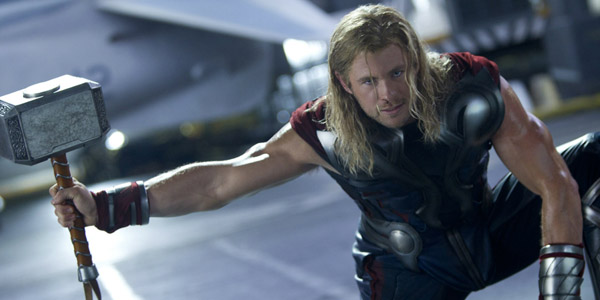
We probably should kick this entry off with a little caveat; we're talking mainly about the studio's output after its acquisition by Disney, with particular focus on The Avengers, Iron Man 3 and, looking to the future, Guardians Of The Galaxy. It's fair to say that Marvel are the biggest force in modern Hollywood. Their movies consistently dominate the box office (the highest grossing films of 2012 and 2013 were theirs and this year both their releases have placed in the top ten) and just about every other studio is copying their model of a shared universe in an attempt to capture some of the magic. The turning point in all this was The Avengers, which saw a series that had thus far mastered serviceable movies become one that could make great ones. They're not Dark Knight level masterpieces of cinematic grandeur (even Joss Whedon doesn't think that) but they are one thing many other films never try to be; they're fun. Ignoring the people annoyed at slight moments of unfaithful adaptation (oh Trevor), the majority of any Avenger-backlash comes from people hating that the films are getting so much coverage for just being fun.

7. The Artist

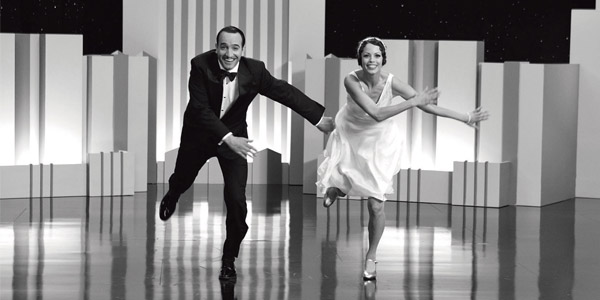
"Oh my goodness, you just have to see The Artist," said everybody at the start of 2011. "Oh my goodness, this movie could win Best Picture. Have you seen it yet?" said everybody as awards season kicked off. "Oh yeah, that film. Never actually saw it." said everyone a couple of months after it won the highest honour in Hollywood. The Artist is the only film from this current decade that was the completely deserving recipient of the Best Picture Oscar (in case you're curious, our picks for the other years would have been Her, Lincoln and The Social Network) and yet it's become something of a curio - the exact thing it was before - with the classic over-rated statement popping up more than is justified. It's the sort of film that so succinctly sells itself that it's easy to overlook that its technical choices are in direct parallel with its narrative ones. Yes, it's a silent movie, but it's more than that; it's about the destruction of this type of cinema and changing times. What happened to The Artist is a mix of the popular throw-away nature of The Avengers, Forrest Gump's obvious sentimentality and Gravity's horror of seeing something niche become mainstream. People who hadn't seen it assumed it was popular based on nostalgia, while those who had didn't like how it had been consumed by the masses.

6. The Hangover

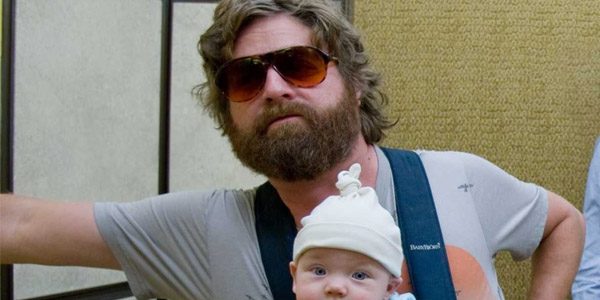
It's certainly taken a beating in many people's eyes after two abominable sequels that respectively tried to copy and totally diverge from the formula it wasn't even trying to make, but even before The Hangover became a trilogy (that's one heavy weekend) it was suffering at the hands of its own popularity. With comedy things can be a lot more subjective to personal taste than with other genres, but even then in this case the backlash is pretty extreme. The simple story of three guys trying to piece together the wild night before, The Hangover became a "surprise" hut (of the type you could see coming a mile off), which brought with it some unreachable expectations. The Hangover is a pretty funny film. It's not groundbreaking, with many scenes that would work in just about any old R-rated comedy (think the police demonstration), but when it's going all in it's a fun ride. When it's called one of the funniest films in years, however, then the dissatisfaction sets in, with disgruntled punters happy to see the film's reputation tarnished. It's this horrible situation where film praise tends to be treated as black-and-white - you love it or you hate it - rather than the more realistic variable scale most critics go by.

5. Citizen Kane

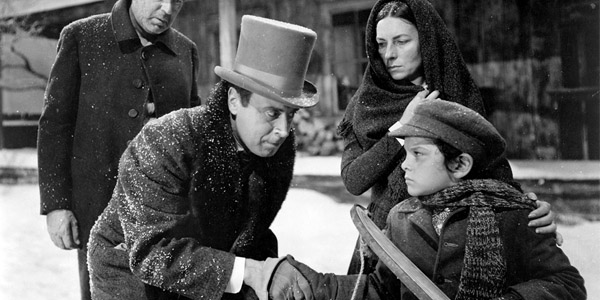
From the film that was called the Citizen Kane of adult comedy to the film that is the Citizen Kane of cinema - Citizen Kane. Deep focus, depth of field, low-angle shots, invisible wipes. Good, now the obligatory technical mumbo-jumbo is out of the way we can get down to what really makes Citizen Kane such a brilliant film that is still being discussed seventy years after it was first released; the central mystery behind Kane's final words, the flashback structure and Welles' decade spanning performance leave us with a heartbreaking deconstruction of a seemingly inhuman man. In 1962 Citizen Kane was named by the BFI as the greatest film ever made in their decennial poll ran through magazine Sight & Sound, a collection revered as one of the best top film lists out there. And that was it. Like declaring the latest release as the film of the year, calling one the best of all time makes it an impenetrable movie with an unmatchable reputation. Suddenly you couldn't find Kane an enjoyable movie; it had to be an exemplar influential one, with the things that made it technically noteworthy overtaking the things that made it emotionally so. It's easy to see why modern audiences look on it with scorn. Watch it on its own terms, however, and the film remains a treat, with the revolutionary moments an added bonus.

4. Avatar

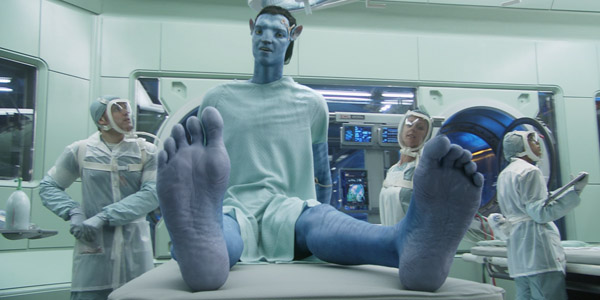
In early 2010 you couldn't move for Avatar. It was like being stranded on its alien planet of Pandora, but instead of thick vegetation and deadly creatures there was endless chatter about its action and people online contemplating suicide over its beauty. Although it's not held the world's gaze in the following years like Star Wars or Jurassic Park did, James Cameron's epic space romance fantasy action eco-message was, for about six months, a total phenomenon. But by the end there was a lot of hate swarming around. When the film passed $1 billion at the box office its fans cheered. When it passed $2 billion those same people groaned. In the time of its cinema run Avatar had gone from sci-fi masterpiece to bloated CGI extravaganza. It'd be easy to chalk it up to that same old anger at having a film that felt so personal become so big, but we're on a totally different scale here. Provoking the cine-hipster inside all of us, Avatar's unfathomable popularity eventually reached the point where no one but its absolutly biggest fan could say it warranted the praise. That it was a fun (if over-long) movie didn't matter; it just didn't deserve to be this popular. Cue a barrage of people thinking they were the first person to notice some Dances With Wolves similarities.

3. Crash

Crash is probably the most despised Best Picture winner of all time. Beating Brokeback Mountain to the prize in 2004, the Academy's alleged homophobia permanently tarnished a perfectly fine film's reputation. It wasn't even a close race between Ang Lee's heartbreaking romance and Paul Haggis' racial drama, making the latter's victory a cause for controversy that settled down to a unified dislike of the film. Racism is bad. That is what Haggis was setting out to say with his ensemble drama and that's what Crash succeeds in doing it. However, its detractors would say that it was just too on-the-nose all that; it's not the most subtle in delivering its message and suffers from the usual contrivances of having character's lives intersect in proper six-degrees-of-seperation style. Should it have beaten Brokeback Mountain? Hell, no. Was it a totally undeserving movie? Second layer of hell, no. It's not a masterpiece, but it's still a damn fine piece of film-making that really stood out upon release. Sadly, a mix of its immediate popularity and the subsequent comparisons between it and the Ledger-Gyllenhaal romance have meant most people don't like to see that.

2. Anything By Christopher Nolan

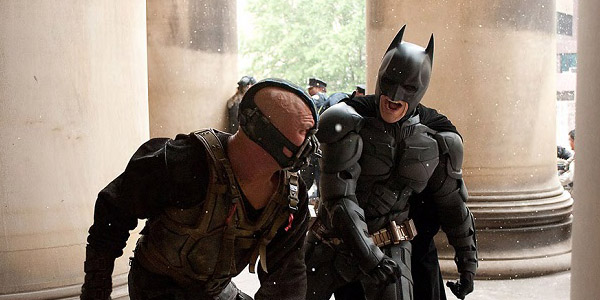
In terms of incredibly talented film-makers thriving within the blockbuster model there's no compare to Christopher Nolan. He's succeeded in making the transition from indie darling to mainstream master who consistently puts out mature, but accessible movies that boast complex plots and strong emotional themes. That's two sentences of unadulterated praise, which can mean only one thing; there's a strong backlash. Oh boy there is. The first film that really marked this was The Dark Knight, which suffered like any massive movie will. This started a trend; Inception, a film so impeccably made it actually exceeded painful levels of hype, was bastardised in such confused ways as "not being that complicated". What makes this interesting is that while some of this hate is directed at individual films, as time's gone by it's become clear it's much more targeted than that. Now we have a divide in the audience where you either think Nolan's reputation is totally over-the-top or are a dribbling fan boy who can see no wrong. It got to the point with The Dark Knight Rises, a worthy end to his Dark Knight Trilogy, that we went through the love-popular-hate phase in about a week. It's a wonder that people aren't already declaring Interstellar over-rated.

1. Titanic

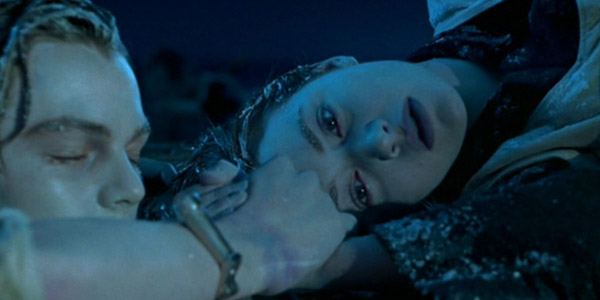
Before we begin, no, there wasn't room on the door for both of them. This oft-stated lapse in character logic is made null-and-void by the film itself, which shows Jack and Rose try and fail to both fit on. They could have taken turns, but given that Rose was near death when she was picked up it's not unreasonable to think they'd both have died with that plan. Now that that's out of the way, we can talk about Titanic is a rational way, rather than basing it upon internet rumours unwittingly spread by people who clearly haven't seen the film recently enough to remember its solution. James Cameron's second film on this list (his movies are clearly too popular to not instil some hate), Titanic is a gigantic movie in pretty much any implication of the phrase; it's a three-hour long film that tells a sweeping love story and uses ground-breaking special effects to make one of the biggest, real action sequences ever put to film. All this amounted to it winning a record number of Oscars and making so much money that even when adjusted for inflation it sits as the fourth highest grossing film of all time. Over the years, as the initial release became a distant memory, however, it suffered a most painful backlash. More and more people began to complain, claiming the film too long and in telling a fictional story was disrespectful to the tragedy. The thing is, all of these complaints are nearly identical to what people were spouting before release when everyone expected a massive flop. Were people on the money or were they simply reacting to the popularity with vague, uninformed complaints. It's the latter. Which other movies do people only hate because they were, at one point, incredibly popular? Let us know your picks in the comments below.

Contributor
Contributor

Film Editor (2014-2016). Loves The Usual Suspects. Hates Transformers 2. Everything else lies somewhere in the middle. Once met the Chuckle Brothers.