10 Movies Every Film Buff Should Have Seen Already

Call yourself a film buff? How many of these movies have you actually seen?

Film criticism has been around for as long as people have been making movies, but after the French film magazine Cahiers du Cinema reinvented the way we look at cinema, more and more audiences began to take the medium seriously as a legitimate art form. People started to pride themselves on their extensive knowledge of film, impressing others by discussing the intricacies of silent German Expressionist movies from the 1920's and obscure Czech animations from the 1950's... Ok, so not every film fanatic revels purely in art house material, but the rising popularity of film degrees in the download era means that audiences are more film literate than ever before. However, just like students of literature and art must learn about the classics in order to develop their understanding further, film buffs must also acknowledge the most important movies in cinematic history, even if they don't actually like them! As long as people continue to make movies, audiences will continue to argue over what the best film of all time is. Therefore, this list is not a definitive ranking of the best that cinema has to offer. Instead, these are 10 movies that all film buffs should see in order to appreciate the scope of cinema over the decades. If you're a hardcore film buff, check to see if you've seen all of these movies and if not, prepare to be educated... in the most fun way possible of course! Remember to let us know what you think of our choices in the comments section below!

10. Spirited Away (2001)

Casual audiences may argue that animation is just for children, but real film fans know that the artistry involved in creating high quality animated films transcends the condescending 'cartoon' label. While Disney and Pixar rule the roost worldwide, the Japanese production company Studio Ghibli have amassed a legion of fans with their hand-drawn films. Studio Ghibli have created a number of beautifully crafted movies, but founder Hayao Miyazaki finally broke through to the mainstream with Spirited Away, which won the Academy Award for Best Animated Feature Film and became the first movie in history to surpass $200 million at the box office before opening in the US. The story of Chihiro working in a magic bathhouse to save her parents is fairy tale storytelling at its best, but what stays with the viewer long after the credits roll is the intricate detail contained in each scene. Everything you see in an animated movie is built from the ground up, springing purely from the imagination of the film makers, so the aim is always to convince viewers that what they are seeing is real, no matter how fantastical the subject matter may be. Miyazaki excels at this, slipping tiny details into the background of every frame, so that the viewer discovers something new every time they watch one of his films. The success of Spirited Away thrust the work of Studio Ghibli and anime itself into the international mainstream, making it one of the most important animated films ever made. Miyazaki's crowning achievement is the pinnacle of animation and exemplifies the incredible potential that the medium has to offer. If you haven't seen Spirited Away yet... throw away all of your Disney films on VHS and make room for the Studio Ghibli collection. Further Recommendations: Snow White and the Seven Dwarves (1937), Grave of the Fireflies (1988), Belleville Rendezvous (2003)

9. The Seventh Seal (1957)

When pioneers like Stanley Kubrick, Woody Allen and Francis Ford Coppola all claim that Ingmar Bergman is their favorite director, film buffs should sit up and take notice. The Swedish auteur is one of the most influential films makers of all time and generations of directors owe a huge debt to his work. Choosing only one movie to watch from his impressive back catalog is a difficult task, but The Seventh Seal is the film that established Bergman as a force to be reckoned with in the realm of world cinema and is now considered to be one of the best movies ever made. Just the number of parodies and homages that The Seventh Seal has inspired alone ensures that it will be forever remembered for generations to come. Set in Sweden during the Black Death, The Seventh Seal follows the journey of a medieval knight called Antonius Block who encounters Death on his travels. To forestall his own demise, Block challenges the black-cowled figure to a round of chess and as the game progresses, the two discuss the nature of death itself. After growing up in a strict religious household, Bergman rebelled against his family's views yet continued to explore universal questions about God and the meaning of life throughout his life's work. The symbolism and literary references hidden within movies like The Seventh Seal may make them inaccessible to casual viewers, but for those willing to put the effort into understanding their deeper meaning, Bergman's filmography is among the most rewarding ever created in the history of cinema. If you haven't seen The Seventh Seal yet, prepare for zero laughs. Further Recommendations: Persona (1966), The Fountain (2006), The Tree Of Life (2011)

8. 2001: A Space Odyssey (1968)

While Bergman explored philosophical issues of faith and existence in Sweden, Stanley Kubrick examined similar grand themes on the other side of the world, asking questions about the nature of humanity through a variety of genres. The American director created a number of iconic movies over the years, but the one that most profoundly influenced cinema as a whole is 2001: A Space Odyssey. Using special effects that still impress now, almost fifty years later, Kubrick adapted the popular Arthur C. Clarke novel to huge success, creating a work of stunning cinematic poetry. With a lengthy running time of 161 minutes, 2001: A Space Odyssey is the epitome of epic film making, daring to ask the big questions about where we came from and what the future holds for mankind. These philosophical inquiries are integral to the work of Kubrick, but even in the quieter moments of 2001: A Space Odyssey, the iconic director constantly challenged audiences to find meaning. The most famous scene is the dramatic match cut Kubrick uses to symbolize the development of humanity, switching from a bone to a satellite in a matter of seconds, but hundreds of other incredible shots are scattered throughout the rest of the film, each as visually impressive and thematically interesting as the last. While 2001: A Space Odyssey is extremely well made on a technical level, it is also one of the purest examples of cinema as an art form and the film has inspired countless others since it was first released. If you haven't seen 2001: A Space Odyssey yet, remember to use the bathroom before you press play. Further Recommendations: A Clockwork Orange (1971), Blade Runner (1982),

7. A Bout De Souffle (1960)

Often identified with the French New Wave of the 1960's, Jean-Luc Godard is one of the most radical filmmakers of all time. While mainstream Hollywood kept churning out similar films in a bid to make money, Godard and his contemporaries challenged the conventions of American cinema, deliberately defying the boundaries set by previous filmmakers to create something bold and new. With a career spanning over six decades, Godard has created a number of important films, but none of them had the same impact as A Bout De Souffle. As the poster child for the French New Wave, A Bout De Souffle epitomized everything that set the movement apart from its contemporaries, shocking audiences with its unusual approach. Techniques previously associated with poor film making are deliberately used in A Bout De Souffle to startle viewers, including innovative jump cuts and broken eye-line matches. The story is of course important, but with A Bout De Souffle, Godard basically rewrote the rules on how to shoot a movie, influencing generations of directors with its revolutionary approach to film making. Drawing upon his extensive knowledge of film history, Godard also helped pioneer postmodern cinema, creating films that were self reflexive to the point where they actively acknowledged their own existence. Such practice may be commonplace now, but before A Bout De Souffle, these techniques were practically unprecedented in cinema. If you haven't seen A Bout De Souffle yet, don't expect an easy ride! Further Recommendations: Jules Et Jim (1962), Pulp Fiction (1994), Requiem For A Dream (2000)

6. Alien (1979)

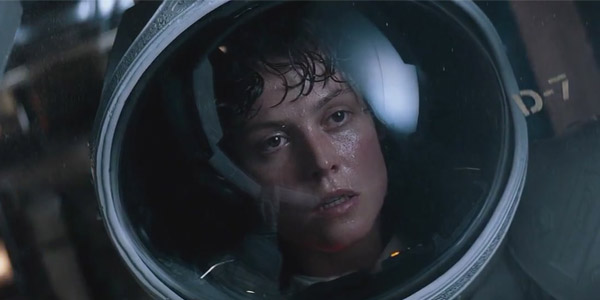
The phenomenal success of Star Wars in 1977 is impossible to exaggerate, but for film buffs dedicated to learning more about cinema, Alien should be higher on their list of must-see films. Ridley Scott and screenwriter Dan O'Bannon subverted the glossy look of Star Wars just two years after its initial release, creating a grimy, dystopian view of future space travel in Alien that was far more grounded in reality. Anyone who has studied film will be familiar with the symbolism in Alien, but it's still incredible to realize just how layered and intricate the subtext truly is. From sexually charged Freudian imagery to the exploration of motherhood and feminism, the entire Alien franchise is packed with a library's worth of material for students of film and gender to pore over, but what's truly remarkable is that among all this symbolism, Alien is still an incredibly visceral and enjoyable movie to watch. The influential vision of the future depicted in Alien transcends genre, impacting the development of action, horror and science fiction movies even now, decades later. While Scott excels at creating tension throughout the movie, making the alien creature one of the most horrifying creations ever seen in cinema, it's Sigourney Weaver's incredible portrayal of Ellen Ripley that achieves truly iconic status, inspiring a thousand feminist papers and millions of fans worldwide. If you haven't seen Alien yet, make sure you have a spare pair of underwear standing by. Further Recommendations: Halloween (1978), The Thing (1982), Aliens (1986)

5. Vertigo (1958)

In the realm of movie directors, no one is as famous as Alfred Hitchcock, whose vast legacy spans over half a century. The Master of Suspense built a direct relationship with audiences through self promotion and TV appearances, creating a lasting legacy whose impact on pop culture is truly immeasurable. What other director has had not one but two Hollywood biopics filmed about his life in recent years? While movies like Psycho and North By Northwest are the most renowned in Hitchcock filmography, critics regularly proclaim Vertigo to be the directors masterpiece, despite being a critical and commercial flop upon its initial release. Vertigo contains many of Hitchcock's signature tropes, including icy blonde women, staircases and the execution of the perfect murder, but academics and psychoanalysts alike have pored over readings of the film for decades, elevating Vertigo to the top of every film lecturers list. No other mainstream director has tackled the nature of voyeurism in such depth, exploring the satisfaction that audiences gain from objectifying both women and men. Other films like The Birds and Dial M For Murder are perhaps more immediately enjoyable, but the beauty of Vertigo is that it rewards multiple viewings like no other movie in the auteurs repertoire, encapsulating everything that made Hitchcock the greatest British director of all time. If you haven't seen Vertigo yet, prepare to second guess the next blonde you meet. Further Recommendations: Psycho (1960), Chinatown (1974), Inception (2010)

4. Memento (2000)

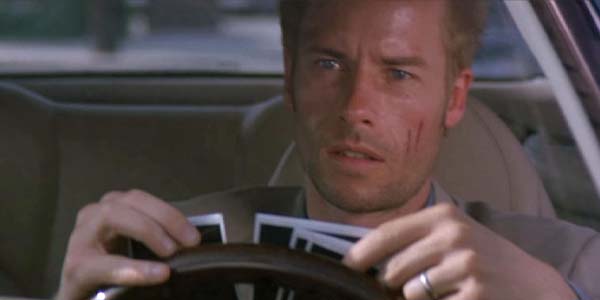
Christopher Nolan has become one of the most successful directors working today through the sheer quality of his output, elevating the standard summer blockbuster to unparalleled heights with exciting yet thought provoking work. The Dark Knight and Inception may be his most popular movies to date, but it's Nolan second feature film, Memento, which dazzled audiences with its unique approach to story telling. The story follows a man called Leonard Shelby who suffers from a condition known as anterograde amnesia, which prevents him from storing newly formed memories. To encapsulate the disorder onscreen, Nolan tells the story through two different sequences which are shown alongside one another: a black and white chronological sequence and scenes shot in color which are shown in reverse order. The nonlinear narrative is revealed in the films opening through the depiction of a polaroid photograph which fades backwards into white. Nolan's exploration of perception and memory through this neo-noir psychological thriller captured the minds of audiences worldwide, but what has cemented Memento's place in history is the nonlinear narrative structure which pushes the very limits of what storytelling can achieve. This is certainly not the first time that a film maker has played around with the conventions of narrative, but Memento proves that modern cinema still has the capacity to surprise and reinvent the way we enjoy movies over a century after the medium found its feet. If you haven't seen Memento yet, drink some coffee and stay alert or you'll get lost in the labyrinthine narrative. Further Recommendations: Rashomon (1950), Amores Perros (2000), Irreversible (2002)

3. Tokyo Story (1953)

A number of the worlds most creative film makers were born in Japan, so it's fitting that another Japanese director's work makes an appearance on this list. Some film buffs may balk at the omission of Akira Kurosawa's movies, but this one film in particular should be essential viewing for anyone who has a deep rooted love for cinema. Tokyo Story is a simple tale of an ageing couple who visit their grown children in the country's capital. Many of the films mentioned so far on this list are recognized by film buffs for their artistic direction and technical prowess, but Yasujiro Ozu took a different approach for his most celebrated masterpiece, stripping away all stylistic devices associated with the camera. For the most part, Ozu's camera remains static throughout, simply portraying humble scenes of the family interacting with one another in a way that allows the dialogue to breathe without distraction. To maintain this tone, Ozu also kept the editing process simple, only using direct cuts rather than the dissolves, fades and wipes that many film makers were utilizing at the time. It's hard to imagine a movie which shows its most important events off screen maintaining audiences interest, but Tokyo Story is a captivating work of art which is quietly stunning to behold. Ozu's innovative approach and emphasis on realism has been hugely influential worldwide, guaranteeing it a regular spot among critics most celebrated movies of all time. If you haven't seen Tokyo Story yet, don't expect a Michael Bay style action packed extravaganza. Further Recommendations: The Bicycle Thieves (1948), Late Spring (1949), Spring, Summer, Fall, Winter... And Spring (2003)

2. Citizen Kane (1941)

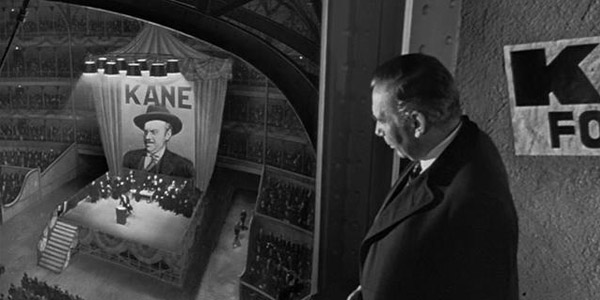
D. W. Griffith's controversial film The Birth of a Nation may have been responsible for first introducing a number of technical breakthroughs to cinema in 1915, but no one brought each of these key components together quite like Orson Welles did in the American masterpiece Citizen Kane. Welles had already become a famous figure in both radio and theatre prior to the release of Citizen Kane, but the critical success of his first film cemented his place forever in history. Surprisingly, success eluded Citizen Kane at first, as the film failed to recoup its costs at the box office and eventually faded from view until French critics such as Andre Bazin heralded Welles's debut as a masterpiece over ten years later after its initial release. Citizen Kane may not have pioneered the majority of technical and narrative techniques that the film has since become famous for, but the way in which Welles assembled these components into one phenomenal movie is the reason why so many critics consider his magnum opus as one of the greatest films ever made. Deep focus photography, flashbacks, overlapping dialogue... all of this had been seen before the release of Citizen Kane, but few have matched its seamless assemblage since. If you haven't seen Citizen Kane yet, watch the Simpsons episode Rosebud first and then watch it again after. It's hilarious. Further Recommendations: Birth of a Nation (1915), Casablanca (1942), The Magnificent Ambersons (1942),

1. Un Chien Andalou (1929)

The number one film on this list also happens to both be the strangest and the shortest. Running at only seventeen minutes long, Un Chien Andalou is the brainchild of Spanish director Luis Bunel and artist Salvador Dali, who aimed to shock the intellectual bourgeoisie with their surreal masterpiece. Unlike conventional cinema, Bunel's silent movie has no traditional plot and is disjointed throughout, using dream logic to connect seemingly unrelated shots to create meaning. The bizarre imagery is designed to shock, disturb and surprise in equal measure, encouraging viewers to impose their own interpretation on the random events unfolding. This chaotic approach has led critics to believe that Un Chien Andalou is paradoxically about the concept of meaning itself and whether art can be created without meaning. Among all the surreal shots Bunel uses in the film, there is one moment in particular which is impossible to forget once seen and that is the eyeball slitting sequence. Few are able to watch the scene in its entirety without wincing, which is made all the more remarkable by the fact that Un Chien Andalou was made all the way back in 1929. Some have suggested that the razor represents the film itself, cutting through the audiences perception of reality with its surreal imagery, but it's hard to say whether Bunel would have intentionally included meaning of any kind in his most famous work. The editing style and unique use of montage in Un Chien Andalou has since paved the way for everything from low budget independent film making to modern music videos, making it the most important short film ever made. Who would have thought that a seventeen minute long film from almost a century ago would create such an impact, generating a wave of imitators that continues to this very day? In many ways, the experimental nature of Un Chien Andalou represents the very essence of cinema itself and deserves to be watched by anyone with even a passing interest in movies, especially if you like to think of yourself as a film buff. If you haven't seen Un Chien Andalou yet, prepare for some seriously messed up stuff. Further Recommendations: The Cabinet of Dr Caligari (1920), Battleship Potemkin (1925), Mulholland Drive (2001) Undoubtedly, omissions from this list will cause outrage, but that's what the comments section is for, so remember to share your thoughts below!

Contributor
Contributor

David is a primary school teacher who tries his best to turn every math lesson into a discussion on the latest Pixar film. Passions include superheroes, zombies and Studio Ghibli. In between going to the cinema, moving to South Korea and eating his body weight in KFC, David writes for a number of movie sites, http://becarefulyourhand.blogspot.co.uk/