10 Famous Movies Test Audiences Improved With Their Criticism

Moviegoers at test screenings don't always make awful decisions, you know...

Since the Golden Age of Hollywood movie studios have held test screenings of soon-to-be-released movies to gauge audience reactions by asking those in the audience to fill out questionnaires or take part in focus groups to discuss how the movie they saw could be improved. Many directors feel it isn't fair that studio executives will drastically change movies based on the opinions of small groups of people, and there are plenty of horror stories about masterpieces like Blade Runner being recut in the attempt to make the films more mainstream. There is also the legendary mind-boggling story of a test audience for The Wizard Of Oz suggesting that producers remove Over The Rainbow because they thought the song was too slow (thankfully, they didn't listen). With those examples in mind, it's easy to side with the directors, right? Actually, in some cases test audiences are more on point about a film's problems than filmmakers and studio executives care to admit. In some cases the test audience had a better idea of what makes the movie great than the people who made it. While pride might hold directors back from admitting that test audiences saved a particular movie, the opinions of test audiences have uncovered problems of all sizes with movies or have changed the minds of executives eager to trim a lengthy movie. After reviewing this list of movies that were improved by the opinions of test audiences, let us know if you think these test audiences really deserve credit for improving these movies in the comments!

10. Kill Bill: Vol 2

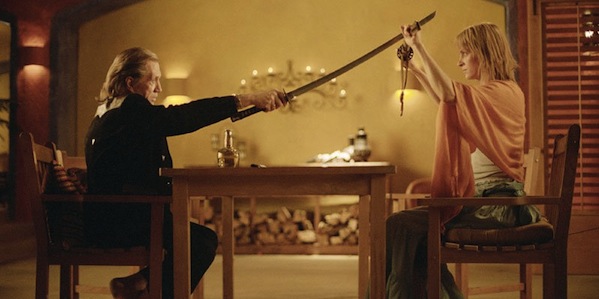
Harvey Weinstein, mega-producer and co-founder of Miramax and The Weinstein Company, has been nicknamed €œHarvey Scissorhands€ for notoriously cutting movies and changing endings of movies based on test screening reactions. While some of the changes Weinstein have imposed have greatly improved films, angry stories about Weinstein€™s heavy-handed demands are far more common among filmmakers. Even Quentin Tarantino, who has worked with Weinstein since his very first feature Reservoir Dogs, is not immune to Weinstein€™s test screenings and his tinkering. However, when Kill Bill: Vol 2 had its first test screening in Austin, Texas the audience gave it a standing ovation. Weinstein was so thrilled that he decided to skip the questionnaires and let Tarantino release the film as-is. A similar instance happened more recently when Weinstein screened the original Korean version of Bong Joon-ho's Snowpiercer and a version that Weinstein's editors had cut by 20 minutes for U.S. release. Bong revealed to Twitch that his version tested much higher, and Weinstein eventually put out the original cut to great box office and VOD success. We can thank these test audiences for telling Weinstein to keep his hands off these two films.

9. Final Destination

The Final Destination franchise has spawned five moves that have grossed $665 million worldwide. However, based on the original cut of the original 2000 film the filmmakers had no desire to make a hit. In fact, Final Destination was saved from two of the worst endings in horror movie history by test audiences. http://www.youtube.com/watch?v=KmKhYhEOyHc The movie originally ended with Devon Sawa's character Alex dying from electrocution, which came after a love scene between Alex and Ali Larter's character Clear. An epilogue revealed that nine months later Clear gives birth to Alex's son. Test audiences hated this ending and the love story, so another cut was test screened with the sex scene and epilogue cut that instead ended with Alex being brutally decapitated by a crash-landing police helicopter. Test audiences still hated it and it became obvious to the producers that they had to reconsider killing the popular lead character off in the finale of the movie. Though it reportedly cost $2 million to reshoot an ending that killed off Alex's rival Carter instead, test audiences finally approved of it. New Line Cinema later released a special feature on the DVD (which you can watch above) that details the lengthy test screening process and how the opinions of test audiences shaped the final film. It's a fascinating look at how influential test screenings can be.

8. Edgar Wright's Shaun Of The Dead & Scott Pilgrim VS. The World
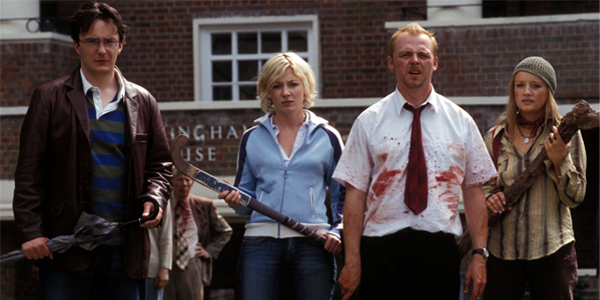
When Shaun of the Dead was having its first test screening, director Edgar Wright knew the ending was missing something. In an interview in the Guerilla Filmmakers Handbook, Wright revealed that while the audience really liked the film, most said that the ending was "lame." http://www.youtube.com/watch?v=-vXhXvuwl14 The response convinced Working Title, who produced the film, to give Wright a budget to shoot the special effects of the British Army arriving to mow down the zombies with machine guns. Though Wright estimates that it only added about 15 seconds to the film, it's an explosively humorous addition to the scene and ends the film in a funnier, bloodier way. Test audiences also had a huge impact on Wright's 2010 film Scott Pilgrim vs. the World. The original ending filmed for the movie - which was shot before the comic series it was based on concluded - featured the film's hero, Scott Pilgrim, getting back together with his underage, clingy ex-girlfriend Knives instead of winning over the girl of his dreams Ramona Flowers. The test audience hated the original ending, so it was reshot with Scott and Ramona ending up together instead - which matched the ending of the comic series, anyway.

7. Christmas Vacation

The third Vacation movie nearly lost one of its best gags because of executives worried about pet abuse. The scene in question is when the cat chews through the electric wires of the Christmas lights and gets electrocuted. Executives were worried that killing the cat in such a traumatic way was crossing the line of decency. Keep in mind this is a franchise that featured the family inadvertently dragging a dog to death when they forget that it was tied to the back of the car, tying an elderly aunt's corpse to the car's roof, and a joke about a daughter making out with her dad... and that's just in the first movie. Apparently those executives must€™ve really liked cats to think the electrocution scene was worse than those scenes. Producer Matty Simmons fought with executives to keep the scene, and his efforts were validated when the first test screening audience scored it as the funniest scene in the film.

6. For Love Of The Game

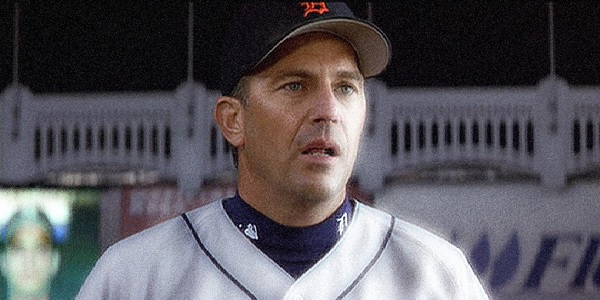
In the case of this 1999 Kevin Costner baseball movie, we have test audiences to thank for saving us from seeing a full-frontal Costner nude scene. The original cut of the film that was screened in Scottsdale, Arizona featured a shower scene with a fully nude Costner. The scene would've given the film an R rating, though Universal expected the film to be rated PG-13. Costner was reportedly angry that the scene had been cut and accused Universal of not fighting the ratings board for his cut. However, Universal had other reasons why it didn't stand up for Costner's exposed manhood besides ratings: the test audience strongly rejected the scene. A Universal executive even told New York magazine, "'The audience giggled at Kevin's penis. Then, in focus groups, they said, 'Do we really need to see Kevin Costner's penis?'" As it turns out, the answer was obviously no.

5. Rambo: First Blood Part II

There are a few movie cliches that will inspire laughs no matter how serious the content is. While Rambo: First Blood Part II isn't the most serious film, there is a poignant scene when Co Bao, a government agent with whom Rambo develops a romantic connection with, dies in Rambo's arms. The original edit had Rambo screaming "No!" with substantial echoing. Test audiences thought this was hilarious, and why not? It's usually played for laughs when we see characters scream out "No!" in an exaggerated way. It was cut from the finished film, but it's not like Stallone hasn't provided plenty of other embarrassing moments in films in later years anyway (like the entirety of Stop! Or My Mom Will Shoot). It's just too bad George Lucas didn't receive the same feedback before Revenge Of The Sith.

4. The Blair Witch Project

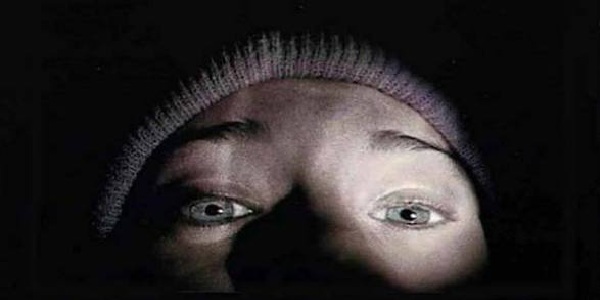
Though its endless found footage imitators have clouded some of the tremendous impact that The Blair Witch Project had on horror movies when it was released in 1999, there's no denying that Blair Witch is a taut thriller at 81 minutes. However, it didn't start in that form, and it's all because of a particularly influential audience member in a test screening that we ended up with the groundbreaking movie at all. The original cut of The Blair Witch Project was nearly twice as long. Dan Myrick, one of the movie's co-directors, told The Guerilla Filmmakers Handbook that they screened this cut in Orlando because they just didn't know what to do with all the footage. In an extremely lucky break, film producer Kevin J. Foxe was in the audience and not only did he agree to sign up to produce the movie, but he also told the directors to take out the entire middle part of the film. The result? One of the highest grossing independent films of all time. That was some excellent advice.

3. Sunset Boulevard

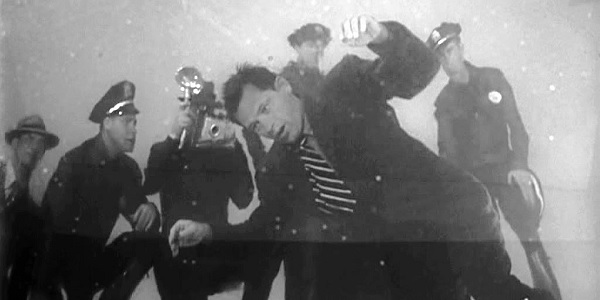
Director Billy Wilder's Sunset Boulevard is considered one of the greatest films ever made. However, it would not have received such high praise and three Oscars if it retained its original opening sequence. The film is narrated by the recently-deceased unsuccessful screenwriter Joe Gillis, played by William Holden. A test audience in Evanston, Illinois saw a preview cut that began with Gillis' body in a morgue and featured the corpses in the morgue talking about how they died. The audience thought that the talking corpses were hilarious and were subsequently confused when the film didn't follow through with that comedic tone. Two other test audiences in New York had similar reactions, which led to Wilder eliminating the scene entirely. The now-classic opening shows Gillis' body floating in a swimming pool instead... and his corpse certainly doesn't talk. But it's still fascinating how one poorly thought-out opening scene can alter the impact of an entire movie.

2. Titanic

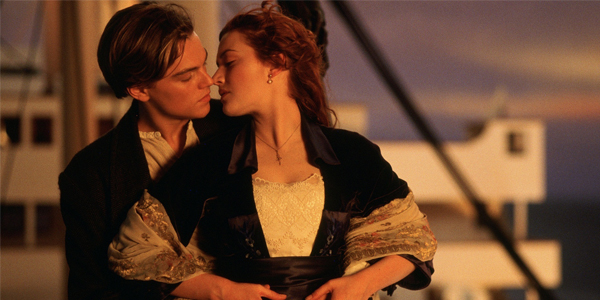
Think 194 minutes of Titanic is too long? The original cut of Titanic shown to test audiences was nearly four hours long. Though nearly a dozen scenes were cut, one major sequence that was removed involved a fight between Leonardo DiCaprio's Jack and David Warner's Lovejoy over the Heart of the Ocean diamond as the Titanic sinks. Test audiences thought it was silly that Jack would risk his life for a diamond instead of trying to escape with Rose (though we all know how that turned out, anyway). Furthermore, it pushed a sequence that was already full of suspense over the top and changed the entire tone of the film's climax. http://www.youtube.com/watch?v=4MYuzRMNRyk The cuts obviously were the right call because it€™s unlikely that Titanic would€™ve grossed over $2 billion at the worldwide box office if the film wasn€™t cut by about 45 minutes. For one thing, theatres would have been unable to schedule as many screenings. On top of that, how many teenagers who went to see the movie multiple times would have sat through a four hour movie more than once?

1. The Little Mermaid

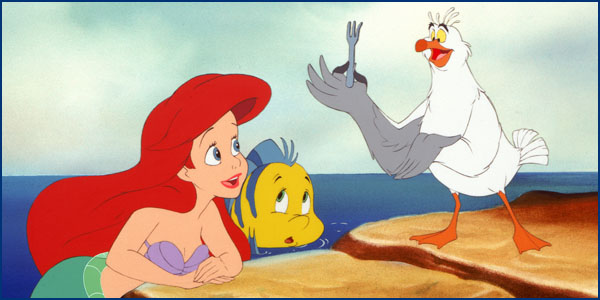
It€™s not surprising that Disney would test screen its animated films with audiences made up of almost entirely of children. However, it€™s because of such a screening that The Little Mermaid nearly lost its most popular song - the one that comprises many of the main musical cues in the film. http://www.youtube.com/watch?v=GK4HNNhQ0e4 Jeffrey Katzenberg, who was at the time the chairperson of Walt Disney Studios, thought that the song Part Of Your World was too slow for a children€™s film. Katzenberg attended a test screening of an unfinished version of The Little Mermaid with a large audience of children. He felt that the screening confirmed his view when he noticed that most of the children seemed restless and bored during the sequence, which wasn€™t fully animated. Obviously the members of The Little Mermaid's production team thought Katzenberg was wrong and decided to retest the movie in front of a largely adult audience with the completed footage. The adult audience raved about the show-stopping song and Katzenberg relented. It has since become one of the most enduring and popular songs from a Disney animated movie even though it nearly ended up on the cutting room floor. To his credit, Katzenberg has since admitted he was about as wrong as humanly possible. Do you think the filmmakers and studios make the right decisions on these movies when they listened to the test audiences? Tell us your thoughts in the comments!

Contributor
Contributor

Chris McKittrick is a published author of fiction and non-fiction and has spoken about film and comic books at conferences across the United States. In addition to his work at WhatCulture!, he is a regular contributor to CreativeScreenwriting.com, MovieBuzzers.com, and DailyActor.com, a website focused on acting in all media. For more information, visit his website at http://www.chrismckit.com.