10 Bloody Awesome Movie Marketing Stunts

Now this is how you sell a movie!
Film promotion and movie marketing is a necessary evil in the competitive contemporary landscape - for the audience it's something of a double edged sword, enticing us into the hype surrounding upcoming blockbusters yet at the same time often ending in disappointment, as the teasers and hints we get pre-release are not matched by the quality of the final product. But as much as it might be nice to do away with marketing altogether - and all the crass deceptions and little white lies which go with it - marketing is here to stay, and we can't really blame them when they deliver an ingenious campaign which ultimately amounts to polishing a turd. Many movies live and die by their marketing campaign, often to the point where the merits of the film itself - for instance the glaring question we should all ask: is it any good? - get lost in a swamp of promotional stunts and gimmicks. As much as some of us might agree with the legendary comedian Bill Hicks when he called for all people working in advertising to off themselves (and spare the rest of us the daily barrage of being told to buy pointless things we really don't need), there are a few exceptions; marketing campaigns which stand out from the crowd and deserve credit for being innovative, eye-catching and entertaining in their own right. Here are ten great marketing campaigns which stand out from the crowd, from interesting billboard campaigns to viral marketing on the internet.

10. Kill Bill

The Movie: Quentin Tarantino's wonderfully over the top homage to a mash-up of low brow genres including heroic bloodshed, girls with guns and anime, Kill Bill is one of the director's most stylish - and perhaps self-indulgent (but in a good way) - films to date. A myriad of influences are synthesized, and Uma Thurman in the central role is more than capable of carrying the film forwards. The Campaign: In addition to the excellent blood-splattering billboard campaign shown above, the marketing folks at Miramax allocated a huge sum of money for the online marketing campaign. They launched a series of multimedia features and editorial partnerships to promote the movie on the internet, as well as a number of interactive marketing promotions. From billboards and buses to the internet, Kill Bill imagery was virtually inescapable. Effectiveness: From a $60 million budget, Kill Bill went on to earn over $300 million, a damn fine return on the investment. Of course, Tarantino's name alone was probably enough to ensure a thriving box office, but the cool marketing campaign couldn't have harmed matters.

9. Devil's Due

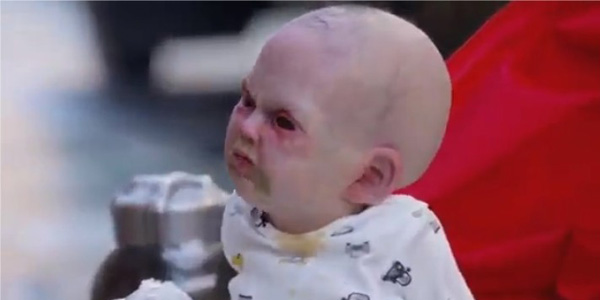
The Movie: Devil's Due can best be summed up as an inferior rehash of much better movies, not least Rosemary's Baby and Paranormal Activity, from which the movie "borrowed" (read: plagiarised) heavily. A by-the-numbers cash in on a popular genre, it represents all that is lazy about corporate film production. The Campaign: After a standard fare campaign of teaser and complete trailers, 20th Century Fox pulled a trick out of the bag - using an animatronic baby in a pram on the streets of New York, they scared the hell out of unwitting passers-by in the city. The videos went viral on YouTube, gathering over 20 million viewers in a short space of time. It was certainly a case of the campaign being far better than the movie itself. Effectiveness: Despite a terrible reception from the critics, Devil's Due went on to earn over 4 times its admittedly modest budget of $7 million. There's perhaps little doubt that much of this was down to the viral marketing campaign.

8. Chronicle

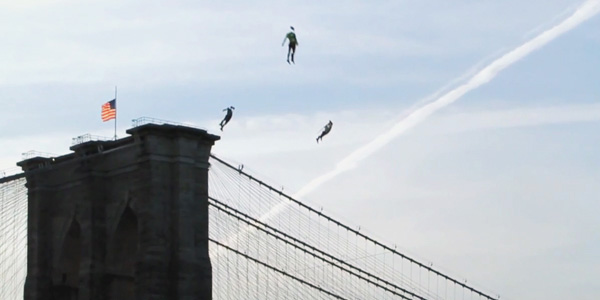
The Movie: Taking the found footage genre away from the traditional - and predictable - horror genre, Josh Trank's directorial debut, Chronicle, sees a group of teenagers stumbling across a mysterious object which imbues them with superhuman powers. Initially using their telekinetic powers for fun and mischief, before long members of the group are turning their gifts towards much darker objectives. The Campaign: how would you react if, while walking to work one morning, you witnessed a group of people flying up in the sky over the city? That's the sight which greeted a number of commuters in New York - 20th Century Fox employed the talented chaps at Thinkmodo to come up with a campaign for Chronicle and flying teens was their inspired solution. The model airplanes were dressed up as teenage boys and flown around the city - although the flight only lasted a few minutes, the footage was posted online and went viral. Effectiveness: From a $12 million budget to over $100 million in box office receipts, it's safe to say that Chronicle was a huge success. Given that the flying people campaign has had several million viewers on YouTube, there can be little doubt that Fox's unique stunt had an impact on the film's performance.

7. Borat

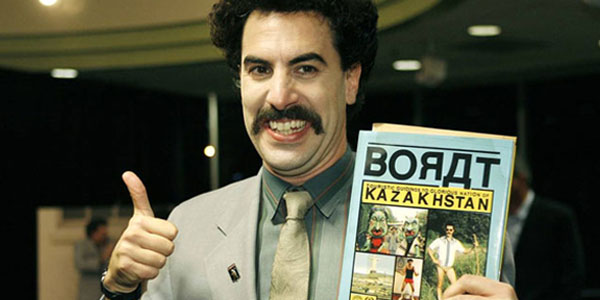
The Movie: Borat, or to give it its complete title, Borat: Cultural Learnings of America for Make Benefit Glorious Nation of Kazakhstan, is British comedian Sasha Baron Cohen's 2006 mockumentary in which Cohen plays the titular fictitious journalist on a mission to America to discover its cultural heritage. Easily Cohen's funniest film to date, it is infamous for the number of unwitting participants who complained long and loud after the film was released and they realised they had been duped. The Campaign: Setting up Borat as a real person, the studio established a large online presence including a realistic MySpace page (which shows the age of the film) and other associated websites building up the fake personality. But the real genius to the campaign came from Sasha Baron Cohen himself, who conducted dozens of interviews on television, not once slipping out of character. Effectiveness: Borat was a huge hit in cinemas and Sasha Baron Cohen's presence on TV promoting his character (rather than focusing on the film) would have surely improved the box office takings a great deal. The film was such a success, in fact, that a sequel was discounted on account of too many people knowing who he really was.

6. Prometheus

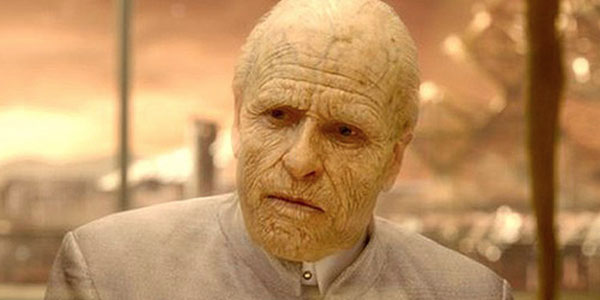
The Movie: Ridley Scott's much-awaited "prequel" to the Alien movie was something of a mixed bag - it certainly had its moments but on the whole many viewers felt it lacked coherence and couldn't decide what kind of movie it wanted to be, ending with as many unanswered questions as it began with. The Campaign: The use of Guy Pearce as a younger Weyland in a TED-style talk about his vision of the future was just one inspired marketing technique which went viral (and perhaps justifies using a young actor like Pearce in the role of an old man, rather than simply getting an old man to play the part). TED approved the use of their branding, and the illusion of the Weyland Corporation as a real entity was continued with business cards, more videos online and other media. Effectiveness: Whether or not Fox had employed these marketing techniques, there is little doubt that Prometheus would have performed well at the box office. Still, the campaign marked a nice way to reintroduce the audience to the Alien universe, and if the studio didn't make quite the large sums they were expecting, perhaps this is down to the mixed reception of the movie itself rather than the marketing which preceded it.

5. The Hunger Games

Hunger Games FacebookThe Movie: The big movie adaptation of Suzanne Collins's dystopian science fiction adventure drama, which plays out like a more narratively complex, teen-friendly variation on the classic Japanese movie Battle Royale, The Hunger Games sees a futuristic America split up into various districts, each of which have to contribute two Tributes to compete in the titular games. The Campaign: The marketing team over at Ignition Creative undertook to craft a year long multimedia marketing campaign which would immerse the public in the universe of The Hunger Games. Building on the concept from the book/film of the Capitol, a number of websites were set up to provide Citizens with up to date news, views and events related to the universe. YouTube, Twitter, Facebook and the web at large were all utilised to create an immersive online presence. Effectiveness: Traffic to the various sites was constant and if the box office receipts were anything to go by - an astronomical taking of nearly $700 million - then the campaign was clearly a success. Of course, having a best selling book behind the film can't have hurt matters, either.

4. The Last Exorcism
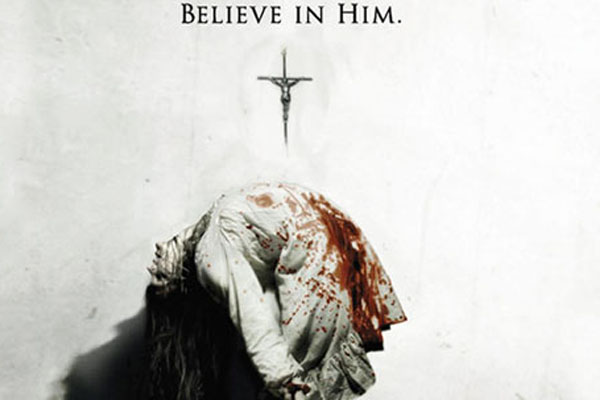
The Movie: The found footage genre takes the horror format and has a stab at reinventing The Exorcist for the new generation. A far cry from the Blatty/Friedkin classic, it's not without its decent moments, although that said few horror films have lived up to those standards. The Campaign: The poster campaign, depicting a young girl covered in blood with her back arched beneath a crucifix, was controversial enough to gather plenty of complaints in the UK, and the Advertising Standards Authority promptly decreed it unsuitable for display in public places. But it was the online viral campaign using Chatroulette which really caught the attention of the public. Viewers were treated to a young attractive lady seductively undressing before transforming into a monster - a shock tactic which has been emulated countless times since. Effectiveness: despite an average-at-best critical reception, The Last Exorcism made a whopping $68 million on a budget of just $1.8 million, and while the horror genre is well known for recouping significant profits on low investments, the popularity of the viral campaign no doubt helped to boost its ticket sales.

3. District 9

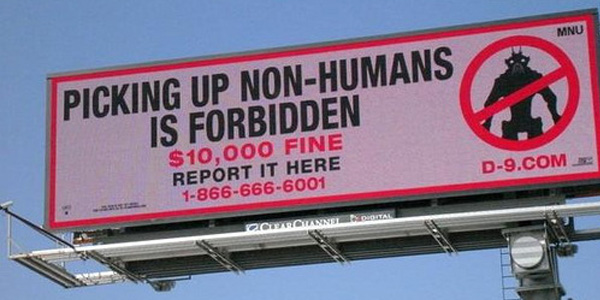
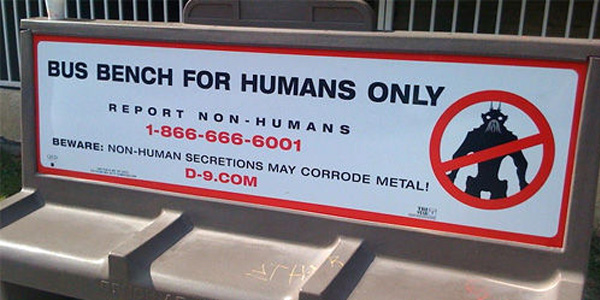
The Movie: Neill Blomkamp's directorial debut, produced by Peter Jackson, tells the story of social segregation and bigotry in a world where aliens live amongst humans segregated into camps. A clear analogy for South African apartheid, District 9 boasts an exceptional visual style - considering its modest budget - and a story which is considerably more thought-provoking than the average sci-fi blockbuster. The Campaign: The Sony Pictures "Humans Only" poster campaign was a masterclass in creating quirky yet relevant advertising which ties into the spirit of the source material. Bus stops and billboards urged the reader to call the toll-free number to inform the authorities of any non-human activities, while blogs, games and "educational" websites made up the online presence. Effectiveness: District 9 was a huge success at the box office, earning over $200 million from just a $30 million budget. Of course, the quality of the movie itself has as much to do with its success as the marketing campaign, but no doubt the "Humans Only" campaign had intrigued more than a few people whose bums ended up on seats.

2. The Blair Witch Project

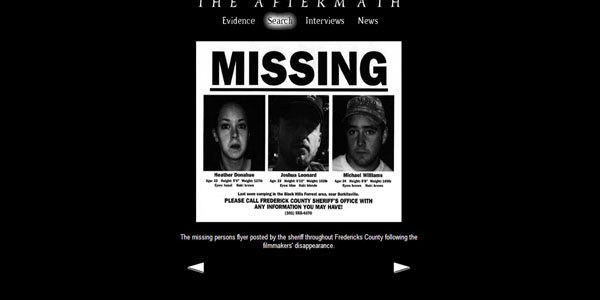
The Movie: A trio of young independent documentary makers head out to the sleepy town of Burkittsville to track down the legendary Blair Witch before heading off into the woods never to return. This was the found footage horror movie which started them all, a trend which continues to this day as the genre continues at a rapid pace with no signs of running out of steam. The Campaign: The Blair Witch Project's legacy to cinema is undoubtedly its popularising of the found footage genre - it was also responsible for kickstarting online viral marketing campaigns. Setting up a basic website which treated the legend of the Blair Witch as real was the starting point for Haxan's campaign. Relatively low key by today's standards, the website was constantly updated with new pieces of information, building up both pieces of the puzzle and intrigue as the movie's launch date approached. Word of mouth, TV reports and rumours followed, and the rest is history. Effectiveness: It can't be overstated just how effective the viral campaign for The Blair Witch Project was - a low budget independent movie made with a skeleton cast and crew for the sum of $25,000 ended up making, after less than $1 million of additional marketing funds, nearly $250 million. Not a bad return on an investment which basically involved setting up a hoax website.

1. Psycho

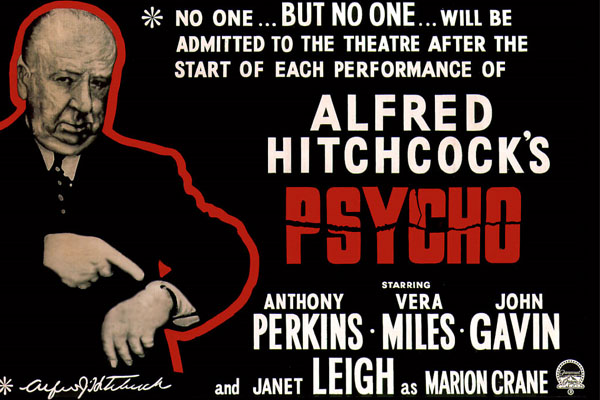
The Movie: A movie which needs little introduction, Alfred Hitchcock's Psycho, adapted from the book of the same name by Robert Bloch, remains to this day one of the all time greatest thrillers. Based loosely on the exploits of real-life serial killer Ed Gein, the shower scene alone is perhaps one of the most iconic moments in the history of cinema. The Campaign: Anyone who has seen the biopic Hitchcock starring Anthony Hopkins will be more than familiar with the lengths the director went to in order to ensure as many people as possible saw his movie. After reportedly buying up as many copies of the novel as possible to prevent people giving away the twist, Hitchcock embarked upon what can only be described as the first pre-digital era viral campaign. Insisting that no one was allowed to enter the theatre once the movie had begun, he forbade the cast to engage in traditional pre-release interviews in case they gave anything away. Hitchcock proved himself not only a master filmmaker but an adept marketer, teasing and hyping his film up to the day of its release. Effectiveness: It is impossible to exaggerate the effectiveness of Hitchcock's marketing strategy in terms of the box office success of Psycho. Despite Paramount Pictures refusing to promote the movie themselves, it went on to earn an astronomical sum of money and was even re-issued in the cinemas a few years after its initial release. The legacy it left to marketing is as significant as its legacy to the horror genre.

In this post: 
Kill Bill
 
Posted On: 
Contributor
Contributor

Andrew Dilks hasn't written a bio just yet, but if they had... it would appear here.