10 Once Awesome Film Franchises That Now Suck

Whipping a dead horse until there's no horse left anymore.
Hollywood has a miraculous ability to take a successful premise for a franchise and reusing it until it is well and truly dead, and then they continue to flog it. Sequels can establish franchises with an incredible sense of longevity, yet for each successful franchise there exists a multitude of failed franchises. The Hangover is a prime example of this; the first one was funny, original, and fresh. The second and third instalments of the franchise were little more than repeating the story in a new country, with few new situations. Other franchises simply do not lend themselves to a sequel; look no further than the cinematic abomination that was Jaws III. It is extremely hard to create a successful franchise; Star Trek was cancelled after three series, yet it has gone on to spawn one of the most succesful franchises in the history of cinema (both financially and critically). The longer a franchise exists, the greater the possibility for three key flaws to occur; repetitive plot lines, absurd storylines, or continuity discrepancies.

Honourable Mention - Shrek

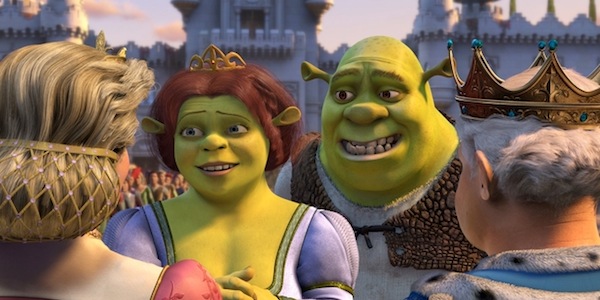
When the first Shrek film was released it received critical acclaim and widespread applause. The franchise now contains four films featuring the primary cast, as well as a Puss in Boots spin off. Dreamworks recently confirmed a fifth Shrek film, well and truly justifying Shrek's place on this list. The first two were funny, smart and filled with hilarity; the final installments and the Puss in Boots feature film were almost painful to endure. They relied upon slapstick humour and failed to develop characters, causing the franchise to stagnate and become clearly little more than a money making endeavour. The series has been a financial success, but as we shall see making money is not related to making a positive franchise; everyone has walked out of a cinema with disappointment at some point in their lives, whether it is a book-to-film adaptation which has betrayed the source material, a poor comic adaptation or a simply unfunny comedy. Money does not take into account how audiences reacted to films, and this is an important point to note.

10. Superman

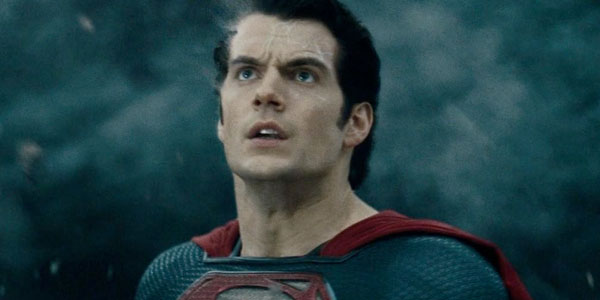
The 1978 Superman film was nothing short of genius; the special effects were well ahead of its time, the characters were brought to life with talented actors and actresses, and importantly the plot for the first two films was cohesive and engaging. This all changed with the dismal failure of a film that was Superman III. The story took Brainiac, an established villain, and shifted the core of the plot into one which saw a computer savvy character being brought into direct conflict with Superman. While the franchise had some problems to begin with (turning back time and the strange kiss that wiped Lois Lanes€™ memory), Superman III signalled the decline of the franchise. We then had to endure the seemingly never ending cascade of money making escapades by production companies which forced Superman IV, Supergirl and Superman Returns on the world. Cinematic history would have been better left ending the Superman franchise with the defeat of General Zod and his cohorts at the end of Superman II, yet this franchise was continued until the considerably darker Man of Steel attempted to break its links with the franchise (meaning we missed out on the greatest part of the franchise...John Williams€™ frankly genius music).

9.Transformers

When Michael Bay€™s Transformers movie hit cinemas in 2007 it was met with mixed criticism; while some saw the radical redesigns as negative, others applauded this reinvention as it enabled the franchise to survive in a new age. In 2011€™s Dark of the Moon Megan Fox€™s character was replaced by Rosie Huntington-Whitely, losing a primary character. Following this replacement the franchise declined into gratuitous violence and typical action film style explosions. These had been components of the first and second films, but these films had likewise contained interesting subplots; the franchise now relies upon its fast paced explosions to pull in new fans. By comparison the 2007 first film had pulled in new fans with an engaging plot and an intriguing mystery as to how long ago, and why, the Autobots and Decepticons had come to earth. The franchise has a fifth film scheduled for release in 2017, and a crossover with the GI Joe franchise looks likely. The Transformers franchise is now a weak echo of its first film; it has opted to spend more on graphics and explosions than it has for complex plots. The mundane and mediocre way in which the films now adhere to conventional standards means that the film does not stick out as special, it is simply another addition to the ever increasing number of empty blockbusters.

8. Die Hard

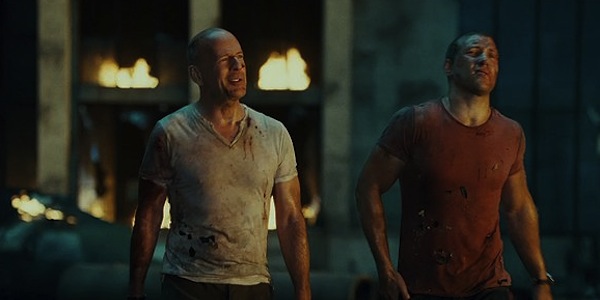
Die Hard launched Bruce Willis to action stardom; it changed the way action heroes were depicted. Prior to Die Hard action stars were full of muscle and detached from real people. The character of John McClane fundamentally altered this; he was almost a normal person (aside from being a cop), and his reaction to the terrorist siege of the Nakatomi Plaza saw him shout, scream and look disturbed by the level of violence. There have now been 5 films, spanning 25 years; the franchise has avoided continuity errors and pandering to profiteering demands, but has turned McClane into a quasi-Bond figure. Willis has hinted that he would portray the character a sixth time, but the franchise has gone from a heroic figure thwarting a robbery into one where he has prevented a crippling cyber attack and global terror threats with weapons-grade uranium. The absurd plots and extensions to McClane have seen the franchise go from almost believable to utterly unrealistic. Die Hard II pushed the limits, with McClane being the victim of a second terrorist plot at Christmas time, but Die Hard III and IV were simply generic and unnecessary; the character was not developed any further, and aside from the joy of hearing Yippee-Ki-Yay accompanied by some kind of explosion, nothing much changes. The franchise has turned McClane into the very essence that the character had opposed; he is no longer an ordinary man, he is the archetypal hero, determined to save the world with as many gunshots, car chases, explosions and punches as he can get.

7. Terminator

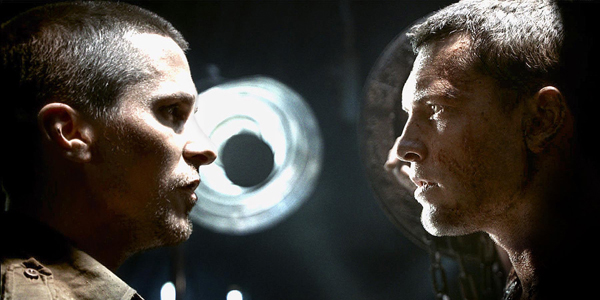
Unfortunately Arnie proved correct when he said €˜I€™ll be back.€™ James Cameron€™s two Terminator films were astonishing; there was a complex plot, incredible special effects and memorable lines. Terminator III and Salvation, on the other hand, offered relatively little other than a few cheap action scenes and a repetition of those great lines. €˜Come with me if you want to live€™ has such a shocking and rapid delivery by Kyle Reese that it has been repeated in one way or another in each of the Terminator films. Likewise, Schwarzenegger declared of the female Terminator in Terminator III that €˜She€™ll be back.€™ These endless attempts to create a sense of nostalgia and continuity with the successful films have resulted in a relatively poor franchise as there is no originality left. Terminator: Salvation had the potential to be a profitable and enjoyable reboot; the post apocalyptic premise was promising, yet Salvation was only memorable for Christian Bale€™s scathing tirade against the unfortunate soul who wandered into the scene. The fact that Schwarzenegger made a €˜cameo€™ through CGI in Salvation shows how dead the franchise is; it relies upon Arnie to impart legitimacy. There is now a fifth Terminator film in production, with ex-Doctor Who star Matt Smith playing a key figure, and although Schwarzenegger has confirmed he will be in the film, there is considerable apprehension over whether the franchise can be developed any further. The franchise is in a period of stagnation that is incredibly hard to recover from; Schwarzenegger no longer resembles the original character, so it is hard to see the film as being anything more than trying to extend a franchise which should have ended long ago.

6. Pirates Of The Caribbean

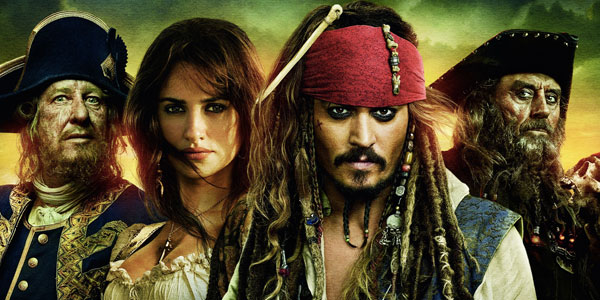
When Johnny Depp first graced the screens as Captain Jack Sparrow we were all enthralled. Orlando Bloom and Keira Knightley completed the primary class, with Geoffrey Rush giving us a villain who was complex enough that we understood his motives, yet evil enough for us to applaud his demise. Three sequels later (and the prospect of a fourth sequel still looming) the franchise has died. Orlando Bloom and Keira Knightley did not reprise their roles for On Stranger Tides, leading to the introduction of Penelope Cruz and a new villain, Blackbeard. The film was hardly original, using excessively similar scenes to the previous films, and was little more than an attempt to continue to create money. The children who had enjoyed it originally were growing up, meaning the film had a hard job; it had to appeal to a newer, younger audience, as well as to the maturing audience. This balance is a precarious one which has limited success. Toy Story is a rare exception, with innuendo and insinuations making the franchise appealing to almost mature viewers while childlike humour carries the film for younger viewers. Unlike Toy Story, Pirates of The Caribbean fails to appeal to its older fans because the franchise has declined into a situation where it is essentially Captain Jack Sparrow running around in a semi-drunken state whilst evading capture. This was funny at first, but after four films €˜you will remember this as the day you almost caught Captain Jack Sparrow€™ becomes far less funny and far more mundane.

5. James Bond

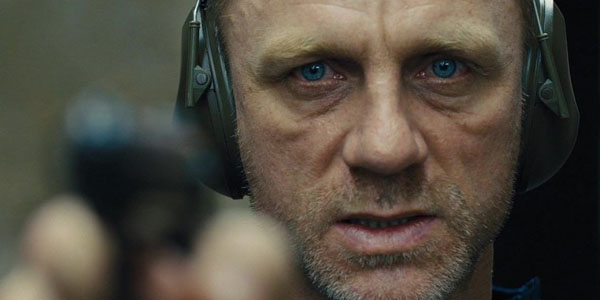
Any franchise which has survived over half a century deserves recognition. The Bond franchise has gone from Sean Connery€™s charming portrayal, to Roger Moore€™s comedic take, to Daniel Craig€™s darker and far more realistic take. Yet this period (roughly Live and Let Die through to Die Another Day) amounts to cheap fillers deployed to keep the franchise alive, but void of depth. Roger Moore€™s portrayal was distinct from Connery, it was light hearted and funny, yet the production of the films was so focused on creating blockbusters that films from the latter years of Moore€™s portrayal can be seen as almost a spoof of the spy genre. Scenes worthy of True Lies and Johnny English were rife in these films, and the franchise visibly began to stagnate. Plots became similar, villains were one-dimensional and gadgets grew grotesquely absurd - the shark repellent pill from Live and Let Die was as likely to be useful as Adam West€™s shark repellent in Batman. Daniel Craig€™s portrayal has coincided with a production shift towards realism; as the new Q has said, there are no more gadgets. This portrayal and shift may save the franchise, but the franchise is so markedly different that it is almost a separate entity from the initial franchise.

4. Jurassic Park

Jurassic Park will have a brand new instalment with Jurassic World in 2015. While the first film was incredible, with spectacular special effects, plot, acting and music, the sequels were ultimately disappointing. The success of Jurassic World is clearly as of yet unknown, but the franchise struggled following the first film, and as such there is a great deal of apprehension over whether this franchise can continue to live, or whether it should have been allowed to go extinct. Universal Studios have confirmed the film will be made in 3-D, leading to the threat of a similar fate to the Jaws franchise. The premise of the film does not lend itself to any sense of longevity, yet the use of 3-D technology to attempt to reinvigorate the franchise will likely be detrimental. As the characters from the initial film have now aged considerably it is hard to predict any character reprisals, so the franchise may well be rebooted with a trip to the island going disastrously wrong, and while this could make for an interesting and good film, the risk of doing further damage to the franchise is considerable. A reboot may create a successful stand alone film (like Salvation) but these films are often detrimental to the overall franchise.

3. Star Trek

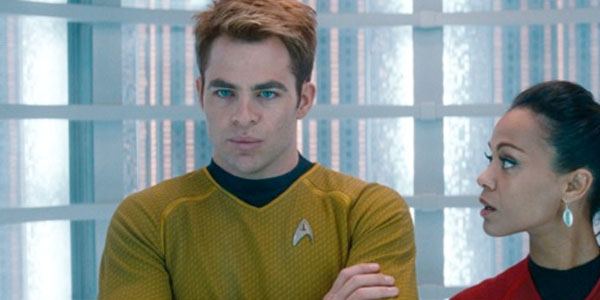
Star Trek has an almost unmatched longevity in television and cinematic history; very few franchises have developed a fan base with as much devotion as Star Trek. Yet even with this unbridled success, the franchise has stagnated and been the subject of a strange metamorphosis, going from television show to big screen blockbuster. From The Next Generation until Enterprise, Star Trek was a constant fixture on television. This was followed by a void which was filled by the 2009 reboot of Star Trek. This shift created a new universe and a new interpretation of established characters, which while creating new fans, has been seen as negative by many of the original followers. This reboot is significantly different to the established canon, painting Kirk as a young and reckless Captain without exploring the themes of the early series. The Original Series and its spin-offs explored underlying themes of racism and bigotry, as well as showing a harmonious future. J.J Abrams€™ has not captured this important part of the franchise, creating a two hour bonanza of explosions and action sequences without depth. The reboot has destroyed the foundations of Star Trek, but the Enterprise series showed that the franchise was running out of steam; links were made to the popular Next Generation in order to maximise its viewership, but this occurred far too late. Star Trek was amazing (and still is), but it is undeniable that elements of the show stagnated and took away from the magic of its prior success.

2. Indiana Jones

Raiders of the Lost Ark was a great film (even if Indy was not necessary to the plot of the movie), and the Last Crusade saved the franchise from falling apart with the weak Temple of Doom. The fourth film, Kingdom of the Crystal Skull was then commissioned, and fans wept. It utterly destroyed the franchise, using aliens, far fetched science and a poor plot. Would a lead fridge save you from a nuclear explosion? Were aliens a credible storyline for Indiana Jones (given that the other three were somewhat linked to religions)? Was Shia Labeouf the right choice for Indiana Jones€™ son? The answer to all of these questions, in all honesty, is a resounding no. Much like Star Wars the original trilogy is held in relatively high esteem, yet the unrelenting search for profits led to a terrible film; Harrison Ford€™s €œI€™m too old for this€ line, while comedic, summed up the film and the franchise with remarkable clarity. Indiana Jones was a prosperous, humorous and interesting franchise, yet the fourth film used an old recipe which did not translate well for modern audiences. Unsubstantiated rumours persist suggesting Ford will reprise his role for a fifth film, but judging from the Crystal Skull, audiences are probably in agreement that the franchise is now far less popular.

1. Star Wars

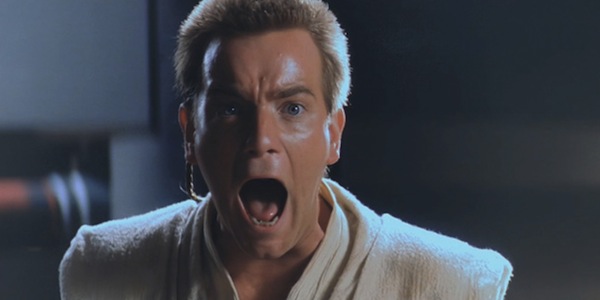
The fourth Indiana Jones film inflicted one belated tragedy of a film on the world; Star Wars forced a tragic trilogy upon us. Although there are some high points to the prequel trilogy, there are equally as many (if not more) examples of needless commercialism. One name has come to encompass the entirety of this cinematic crime; Jar Jar Binks. The Star Wars universe would have been left with dignity and respect had this character never been conceived. It was Jar Jar Binks who voted to give Palpatine emergency powers, making him directly responsible for the creation of the Empire (which gave us the awe-inspiring and insurmountably brilliant original trilogy). The prequel trilogy contains an abundance of CGI graphics, which while bringing George Lucas€™ ideas of Tatooine and Coruscant to life, led to rapid aging; the prequels look dated in comparison to the original trilogy due to the progression of CGI technology in recent years. Unlike most of the entries on this list, the good films have been tampered with, weakening them; A New Hope is filled with unnecessary CGI graphics, and Return of the Jedi now contains the awful new scene with a young Anakin Skywalker as a ghost. While we are not sure of how J.J Abrams will do with the franchise, we can only hope that they are an improvement on the poor prequel trilogy.

Contributor
Contributor

A 21 year old History graduate looking for someone to listen to his ramblings. Lover of comic books, movies and all other superhero related things. Published in The Independent, always looking for interesting things to write about...Follow me on Twitter at @samclements1993, and check out my blog: http://samuelclements.wordpress.com/