10 Strangest Comic Book Urban Legends‏

Learn the legend of why The Incredible Hulk is actually green (and no it doesn't involve anything nuclear or radioactive)...

No doubt you've heard the story of the stoned babysitter who accidentally put the baby in the oven and the turkey in the crib. Or the tale about how Coca-Cola introduced New Coke with the intention of boosting sales of good old fashioned Coke when they eventually returned the original flavour to the market. Or you might even have been regaled with the horrific account of how a young woman caught a flesh-eating virus from her boyfriend, and had the teller swear blind that it totally happened, really, my best friend's sister's boyfriend's brother's girlfriend heard from this guy who knows this kid who's going with the girl! Urban legends are the modern version of the folk tale, stories whose origins are unclear and veracity untested, but are passed on from person to person in the oral tradition over campfires, beers, or lazy summer evenings in the park when you've got nothing better to talk about than the totally fictional chain of events that lead to a couple making out in a car finding a hook attached to the door handle. And what more modern method of storytelling is there than comic books? Urban legends have been the inspiration for countless characters and storylines, even earning themselves their own title in Dark Horse's anthology of illustrated tales. But how about urban legends about comics themselves? Surely in an industry that's for so long been closed to the public, only recently having their history chronicled in books like Sean Howe's Marvel Comics: The Untold Story, there are numerous examples of scuttlebutt, rumour and so-weird-it's-true stories that have been passed about by curious and creative fans at conventions and comic shops? As a matter of fact, yeah, there's loads! Comic book urban legends have been the subject of entire websites and books themselves, to the point that it's difficult to know where to start (a lot like many long-running comics themselves). So here's a handy beginner's guide to ten of the strangest we've come across. Like many other urban legends, some of these have elements of truth, elements of total baloney, and some...well, we may never know. If there's any you think we missed, whisper them conspiratorially in the comments!

10. The Hulk Is Green For Budgetary Reasons

Marvel's jolly green giant hasn't always been so. Well, he's rarely jolly, but it's the skin colour in particular that has been inconsistent since his very first appearance. After being bombarded by gamma radiation during an experiment gone wrong in the pages of The Incredible Hulk #1, Dr Bruce Banner was transformed into a huge, muscle-bound, small-minded monster...with grey skin. Or blue skin, depending on which page you're reading. There's plenty of conspiracy theories as to why the palette swap occurred. Some believe that it was down to miscommunication within the office, some that it was part of the story, some that the creators simply had a change of heart. In reality the changing skin colour across that very first issue is down to the way comic books were coloured back in the day, which is to say that the stingy publishers used the cheapest possible method, since profit margins were particularly slim at the beginning of the Silver Age. Hulk was designed to be grey, but colour separations meant that a lot of the time he turned out a different shade of grey, or a different colour altogether. Deciding to pick one a tone more sympathetic to the four colour printing process, Marvel changed him to green, and the rest is history. Apart from all the times Hulk has become grey again, or red, or whatever other colour the writer decides suits him better. This isn't the only time that editorial oversight nearly saw a massive change in the Hulk's characterisation. There's the story of how Stan Lee almost renamed Bruce Banner the much more unassuming Bob for a few months, simply because he'd forgotten his actual first name. So technically, his name is Robert Bruce Banner. Unless you're watching the seventies TV show, in which case it's David. And he's definitely green there. As he's supposed to be. We think.

9. Finland Banned Donald Duck Comics Due To Nudity
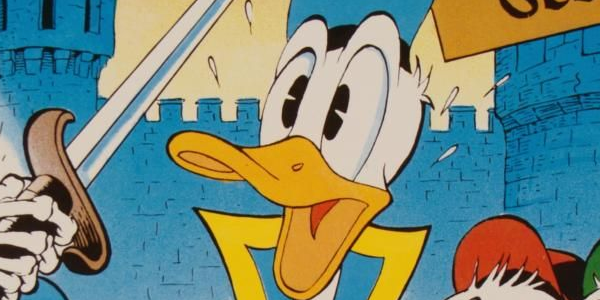
A widely-reported favourite, apparently Disney's feathered fowl with a speech impediment had several volumes of his comic book adventures pulled from the shelves of Finnish libraries. What did the seemingly harmless Donald Duck do to earn such censorship? Why, isn't it obvious? He wanders around nude from the waist - despite keeping his torso clothed - and he cavorts about with Daisy Duck without them being married! The real reason for Donald's disappearing act is, in fact, a lot less scandalous and more banal than that explanation. What actually happened is that the city of Helsinki wasn't doing so well financially, and one of their proposed cost-cutting measures was to stop buying Donald Duck comics to stock in the principality's public libraries. That didn't stop the tabloids stirring things up a year later when Markku Holopainen, the Liberal Party member who suggested getting rid of Donald, ran for parliament. Then the international press picked up on his nickname of "the man who banned Donald Duck" with sensational headlines like "DONALD, WHERE ARE YOUR TROUSERS?" and "DONALD NOT MARRIED; POLITICIANS OUTRAGED!" Of course nothing of the sort was happening in the liberal Scandinavian country, as evidenced by the fact that Donald Duck cartoons were still in regular syndication on TV, and you could still read his comics anywhere apart from the library. Of course, it could all turn out to have been payback on behalf of a neighbouring country...

8. Marvel Renamed X-Force To Stop Rob Liefeld Getting Royalties
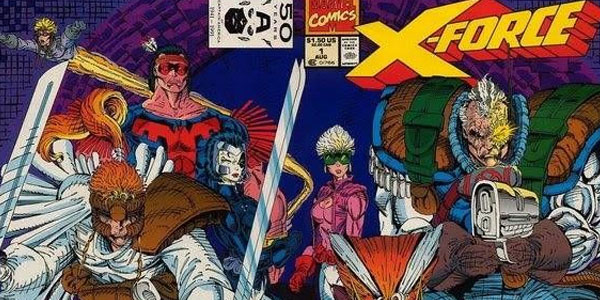
The early noughties were a time of transition for Marvel Comics. Struggling to find their way out of bankruptcy, the company had been trying everything they could to try and make money, including licensing their characters to anybody who asked (why else do you think the Roger Corman Fantastic Four movie got made?) and constantly relaunching titles in an effort to keep things fresh, new and attractive to new readers. This included, in 2002, a revamp of the series X-Force, Cable and Deadpool, which were each also renamed X-Statix, X-Soldier and Agent X, respectively. Makes sense, right? The titles hadn't been posting great sales under their old names and intimidating issue numbers, so trying out a new moniker and taking them back to #1 was a foolproof way of boosting profits. Or was their intention altogether more sinister...? Following the relaunch there was a conspiracy theory floating around that the real reasoning behind renaming the comics was so that artist Rob Liefeld, who had a hand in creating all three comics, would stop getting extravagant royalty cheques from the financially flagging company. Fun as it is to rag on The Rob, this particular urban legend was revealed to be just that. Ignoring that any supposed contract Marvel had with Liefeld would have remained valid regardless of a title change, there's the more obvious fact that no such contract existed, and the pouch-obsessed artist hadn't received any royalties from Marvel in years. Besides, the re-titling didn't boost sales at all, and everything went back to normal within a few months.

7. A Fan Came Up With The Justice League

The era of social media has given fans more access to their favourite comic creators than ever. Whereas before they were limited to letters pages and fleeting meetings at conventions, now fanboys can interact with writers, artists and editors in real-time over their Facebook, Twitter and Tumblr accounts. There's some notable benefits - Kieron Gillen and Jamie McKelvie's Young Avengers had a symbiotic relationship with its online fanbase, and Kelly Sue Deconnick's Captain Marvel is ably boosted by the support of the mostly-online Carol Corps - but many creators have had to start pointing out that fans suggesting storylines or ideas to them is a bad idea. It puts them in a tricky place, legally: they can't use the idea and not give credit, but also if they already had a similar idea on the go they have to toss it out in case the fan thinks they've been ripped off. That's not necessarily a new thing, mind, as the story of Larry Ivie will attest. According to legend, this passionate comic book fan and zine author who dabbled in writing and drawing titles himself sometimes. In the fifties he regularly pitched ideas to DC editor Julius Schwartz, and in 1956 one of those ideas was an update of the company's unused Justice Society of America property. Ivie renamed them the Justice Society of the World, positing that the team would be made up of the JSA's superpowered kids. The pitch was rejected. Undeterred, Ivie made a similar second effort a couple of years later, this time with the original JSA members, but under the new name "The Justice League". It was rejected too, but the Justice League turned up in a 1960 issue of the Brave & the Bold nonetheless. What gives? Well, the Justice League were actually a bunch of Silver Age heroes teaming up, which is a no-brainer as far as ideas go, and not what Ivie pitched. It also transpired that the name came from Schwartz himself, not Ivie. The fan had a notable effect on comics culture, if not comics themselves.

6. The Real-Life Kitty Pryde Had To Change Her Name

No, not the totally awesome rapper (who has dropped the "Pryde" from her stage name, probably due to legal reasons), but the real-life peer of artist John Byrne. Byrne, who co-created Shadowcat along with writer Chris Claremont during the pair's classic X-Men run, supposedly named the character after the real-life Kitty Pryde with whom he had attended Alberta College of Art in the early seventies. Byrne had simply meant it as a fun little shout out to a pal; for Pryde, it became more of a nuisance. Or a massive inconvenience. As the character grew in popularity, apparently so did the examples of Pryde being hassled by fans who wanted to get in contact with the namesake of their favourite phasing X-person. In the nineties Kitty made the executive decision to start going by the professional title of KD Pryde to try and regain some of the anonymity she had lost since becoming a comic book sensation. It wasn't all bad, though. As the story goes, when she began to gain notoriety, the real-life Kitty received a friendlier piece of fan mail from Byrne himself: the original sketches he made for the character, along with a signed copy of her first comic book appearance, along with the note "To Kitty, the real one. Thanks for the use of the name."

5. Wonder Woman's Creator Invented The Lie Detector
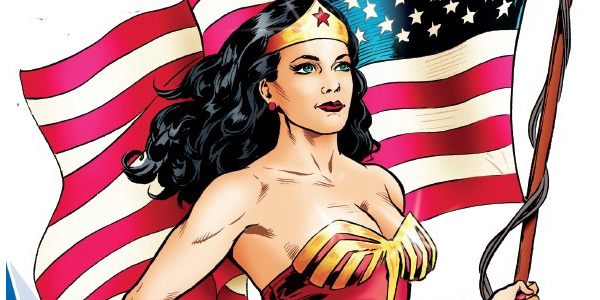
William Marston is a fascinating dude, but sadly this particular "fact" about his unusual life isn't strictly true, despite having a fun sort of parallel to Wonder Woman's lasso, imbued with the power to get people to tell the truth. Amongst other things, Marston was an early pioneer in the field of lie detectors, and put forward a design for a machine that could tell if you were fibbing by measuring your blood pressure. The famous polygraph test - the kind you see in films hooked up to people and drawing little lines on a rolling sheet of paper - actually measures heart rate, breathing and skin conductivity in addition to blood pressure. One out of four ain't bad! So Marston had an interested in lie detectors, even if he didn't invent them. That wasn't the only hobby he carried over into his creation of Wonder Woman, though, and the lasso especially. An early proponent of sexual liberation, psychologist Marston was super into bondage and lived in a polyamorous relationship with his wife and another woman, who stayed together after his death. Elizabeth Holloway Marston and Olive Byrne both served as inspiration for Diana Prince, and believed the world would be much better off as a female-lead utopia. This isn't the only WW-based urban legend, either. There's also the apocryphal tale that DC have to publish at least four Wonder Woman comics a year, lest the rights to the character revert to Marston's estate, which is absolute gubbins and wouldn't hold up to any lie detector test (or light S&M play).

4. The Human Torch Got Replaced So Kids Wouldn't Set Themselves On Fire

When Marvel's first family made their second venture to the small screen in 1978, they found themselves replacing one of their number with a wise-cracking robot. Where Mr Fantastic, the Invisible Woman and The Thing all appeared in the NBC cartoon, the Human Torch found himself superseded by by HERBIE (Humanoid Experimental Robot, B-type, Integrated Electronics, which is a bit of a stretch, even from the creators of SHIELD). The plucky android was created especially for the 'toon and has since been ported over to the comic books, where he was not quite as successful in giving Johnny Storm the boot. Why exactly the Torch had been relegated from the team he made his name on was unclear for years, giving rise to speculation that it was down to the network's concern that kids watching the show might be inspired to "flame on!" in a way that was less heroic, more fatal and litigious than in the comics. Perhaps inspired by an issue of John Byrne's run on the Fantastic Four comic that saw a young fan of the team engaging in a little self-immolation in imitation of his favourite member, this legend became the accepted explanation for the Human Torch's absence from the TV show. As it happens, much like a lot of these stories, the real purpose behind keeping Johnny Storm off the screen was far less interesting than the rumour. In fact he was left out of the cartoon's line-up because the rights to the Human Torch character were tied up in a mooted live-action pilot Universal were working on with him, which never saw the light of day.

3. Jimmy Olsen And Jason Todd Nearly Died Of AIDs

DC were never ones to shy away from hot button topics, using the Green Arrow/Green Lantern title in the seventies to tackle contemporary issues like racism and drug addiction. So, naturally, during the AIDs epidemic of the eighties, Jim Starlin suggested that the company kept up its reputation for dealing with real-world problems by giving one of its characters the deadly virus. In an office memo the editor asked for suggestions of who could be the one to contract HIV and eventually pass away due to complications caused by it. One suggestion was that Jason Todd, who had recently replaced Dick Grayson as Robin in Batman, would be the most deserving candidate. Fan reaction to Todd's introduction had been mixed to say the least, and he did eventually get killed off in the landmark Death in the Family story (only to come back as the Red Hood years later). Jimmy Olsen, meanwhile, had only just made his way back into continuity following the Man of Steel relaunch, but ended up being selected as the character who would die from AIDs. If it's true, it doesn't sound like the most sensitive way of handling such a tragic disease. In fact it is all true, as Starlin has confirmed both the Jason Todd and Jimmy Olsen stories; Todd was never seriously considered, and the only reason Olsen was dropped as a candidate was because Marc McClure - who played the character in the Christopher Reeve Superman films - was reportedly gay, and the story would've hit a little close to home. Yeesh.

2. DC And Marvel Were Going To Swap Characters
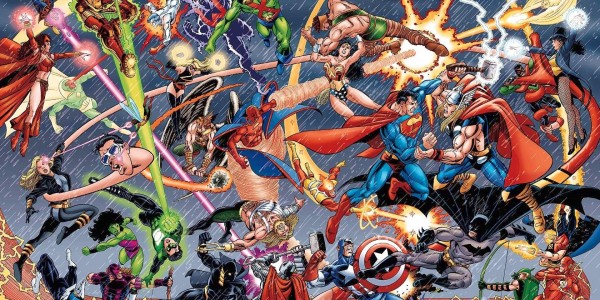
The long-awaited Marvel vs DC crossover series was either great for business or a hackneyed story produced only to make a quick buck, depending on who you ask (may also be dependant on whether you're talking to comic book publishers or comic book readers). At least they went the whole hog with the dimension-skipping premise, having fan favourites duke it out and culminating the shenanigans with a fun few months where the two companies combined to make Amalgam Comics, publishing titles like Dark Claw (a mash-up of Wolverine and Batman) and Lobo the Duck (...yeah). It turns out that the ending of this major comics event could have been even stranger and epoch-shaking, if the legend is to be believed. Apparently, DC and Marvel had intended to leave behind a remnant of the crossover, even if by the end of it everything had seemingly gone back to normal. That remnant would have taken the form of a character trapped in the opposing company's universe, with the rumour being that Daredevil would be marooned in DC Comics' care and Catwoman in Marvel's. Actually this idea was discussed very early on in the talks that eventually lead to Marvel vs DC, but it was decided that the legal implications - including the royalties and copyright for both the comics they appeared in and the eventual reprints - were too complex to make it worth going through with.

1. Every Story About Steve Ditko

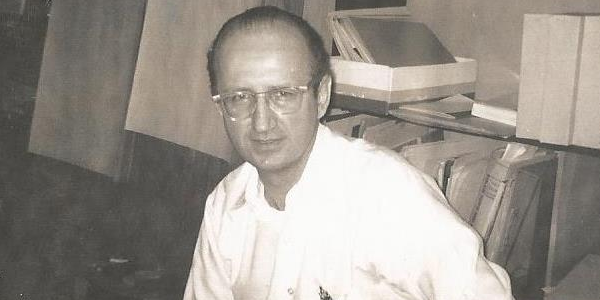
By all rights, Steve Ditko should be one of the most famous faces in comics, standing alongside Smilin' Stan Lee in each of the Marvel mastermind's media appearances, photo ops and now-mandatory movie cameos. Ditko is the artist who came up with Spider-Man's historic threads and co-created many of the character's nemeses during the early years, along with relaunching The Hulk and coming up with Dr Strange in collaboration with Lee. And yet, despite being one of the principal architects behind many of Marvel's most famous characters, Ditko remains relatively unknown about comic book fandom. And he likes to keep it that way. Since leaving Marvel, and later skipping out on DC too, Ditko became a complete recluse. He never makes appearances at comic conventions, refuses all interviews (including a request by Jonathan Ross, who made a documentary on the artist a few years ago), and is incredibly camera shy. That's not because he's particularly anxious, or anti-social, just that he likes his privacy and lets his increasingly weird work do the talking. In the place of any real public persona, countless folk tales have popped up around Ditko. There's the story that a couple of fanboys happened upon Ditko outside of a party, and decided to snap a pic of him, knowing that photos of the comic book legend were few and far between. Noticing the flash and the retreating offenders, Ditko hopped in his car, ran them down and stole the camera, or so the legend goes. Then there's the tale of the writer who visited Ditko's New York studio, where he discovered to his horror that the artist was using original Marvel pages he drew - worth upwards of $10,000 dollars - as cutting boards. Or the supposed time when Ditko was informed that kids were dropping acid and reading his trippy Doctor Strange comics, which horrified the teetotal Objectivist? Ditko is the very definition of a living legend in comic books, a man so mysterious that people invent stories to fill in his absence from public life that somehow manage to be even stranger than the comic books he's created over the years. Yep, even the one about the woman who accidentally pulls Satan at a party.

Watch Next


In this post: 
Hulk
 
Posted On: 
Contributor
Contributor

Tom Baker is the Comics Editor at WhatCulture! He's heard all the Doctor Who jokes, but not many about Randall and Hopkirk. He also blogs at http://communibearsilostate.wordpress.com/